Wondering what life actually feels like when you trade a house for an in-town condo on Palm Beach Island? You want easy walks to Worth Avenue, relaxed beach time, and a building that runs smoothly without demanding your day. In this guide, you’ll see how daily life works in the island’s walkable core, what buildings typically offer, how HOA fees and insurance factor in, and what to expect during season. Let’s dive in.
Where “in-town” places you
Palm Beach is a barrier island east of West Palm Beach, connected by bridges over the Intracoastal Waterway. The in-town area centers on Worth Avenue, Royal Poinciana Plaza, Royal Palm Way, and South County Road. This compact district is the island’s commercial heart and is very walkable.
You’ll find that most errands, dining, and leisure needs cluster around these blocks. The mainland is a short drive over the bridges for the airport, rail connections, and a broader set of services.
Daily life you can walk to
Living in-town means your morning coffee, lunch meeting, gallery visit, or dinner reservation can be an easy stroll. The side streets off Worth Avenue and the courtyards at Royal Poinciana Plaza are designed for lingering and people-watching.
Errands and essentials
Boutique groceries, specialty food shops, cafés, and select professional services sit right in the core. For full-size supermarkets, big-box retail, or large medical facilities, you’ll likely hop across to West Palm Beach.
Dining and culture
Restaurants range from casual to special-occasion, with more choices clustered near Worth Avenue and the Plaza. Hotels, including The Breakers, add dining rooms and event venues that expand options. Museums, historic homes, and private clubs contribute to the island’s cultural feel, while larger museums and regional events sit in West Palm Beach.
Waterfront routines
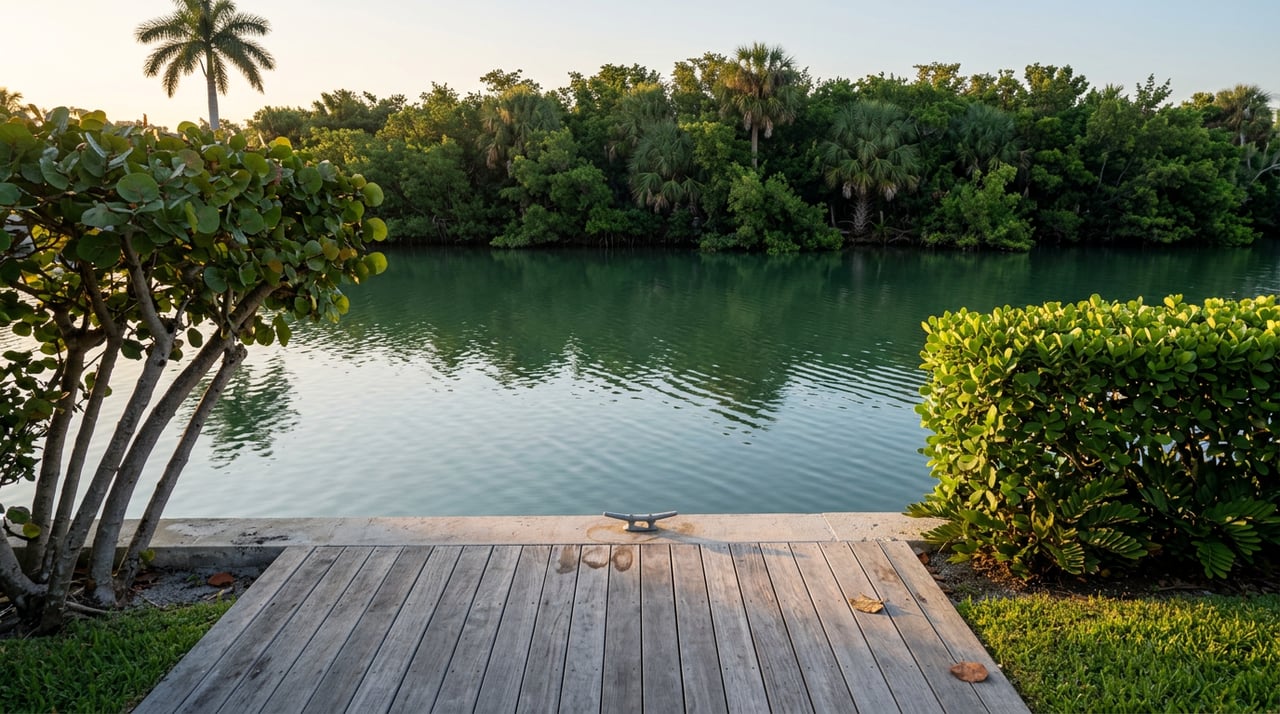
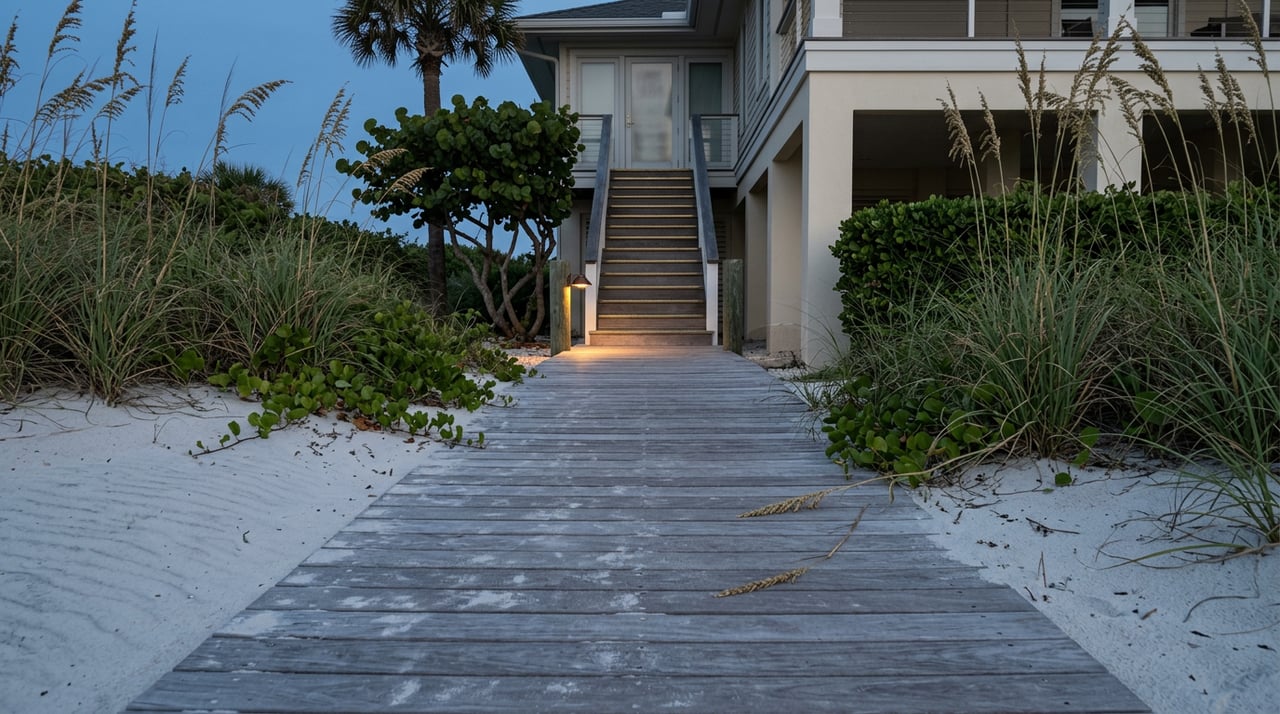
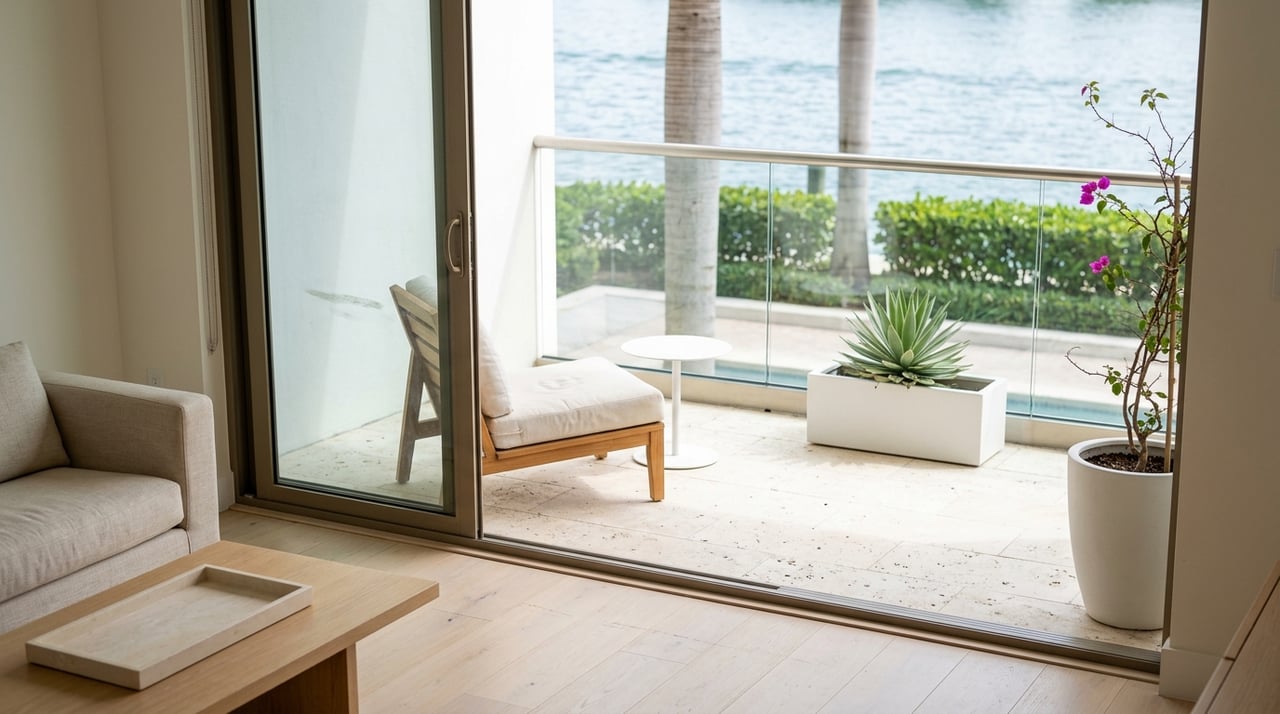
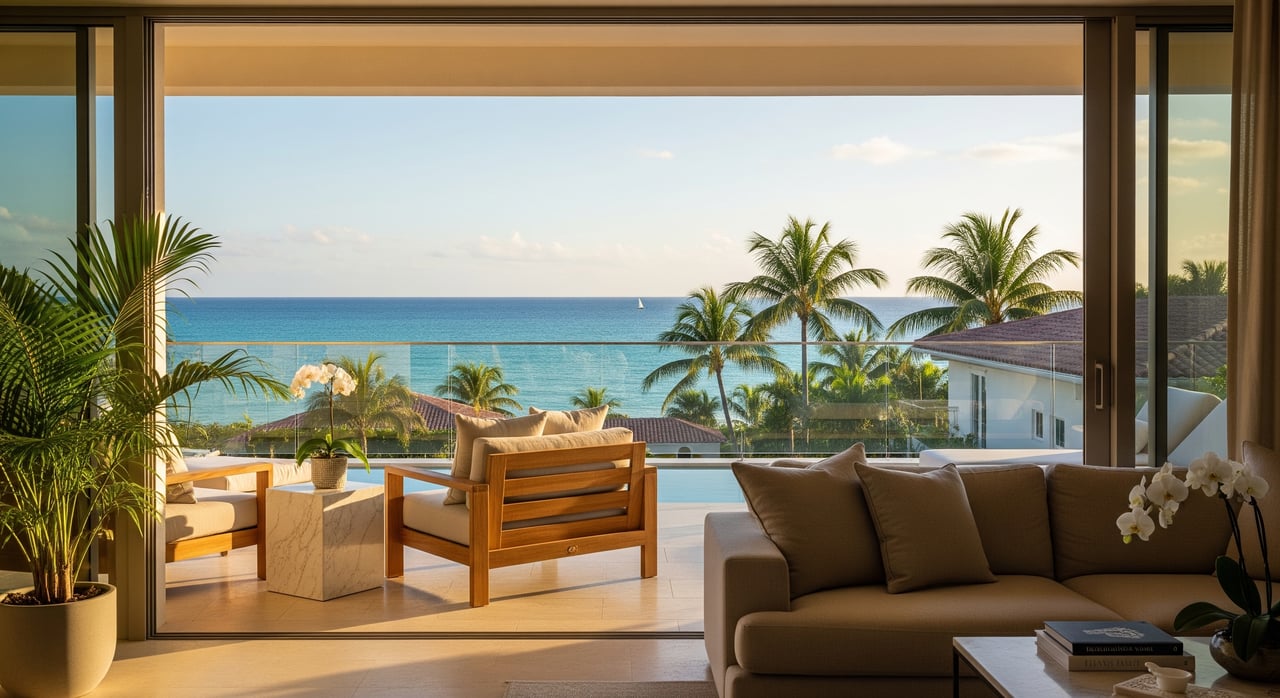
Beach time is a signature part of island life, along with walking paths by the ocean and the Intracoastal. Boating and marina access are close by, and many residents build daily routines around the water.
Getting around and parking
Reaching Palm Beach International Airport, downtown West Palm Beach, and major highways is a short drive. Traffic can be heavier during season or big event days. If you plan a car-light lifestyle, biking and walking are convenient for local errands in the central blocks.
Parking in the downtown area is limited. Many in-town condo buildings include assigned spaces, valet service, or controlled-access garages. Street parking can be restricted or metered. Rideshares and taxis are widely available, though pricing can rise during high-demand periods.
What buildings offer
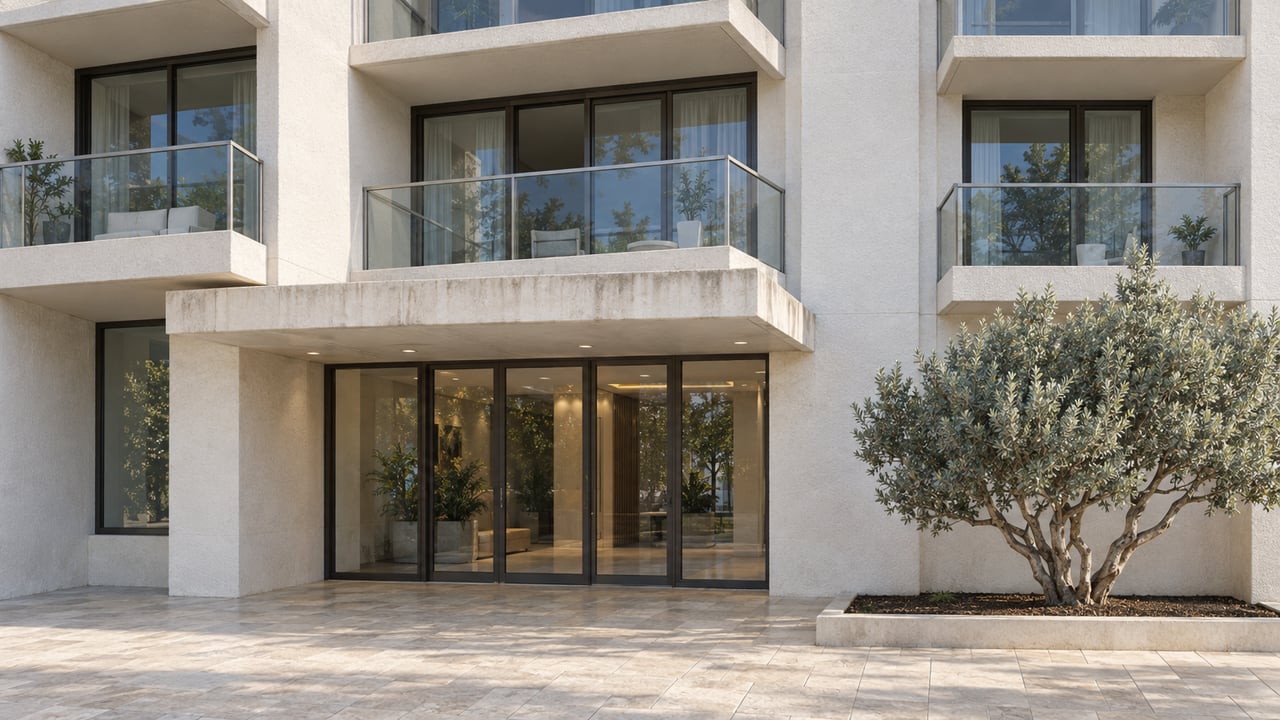
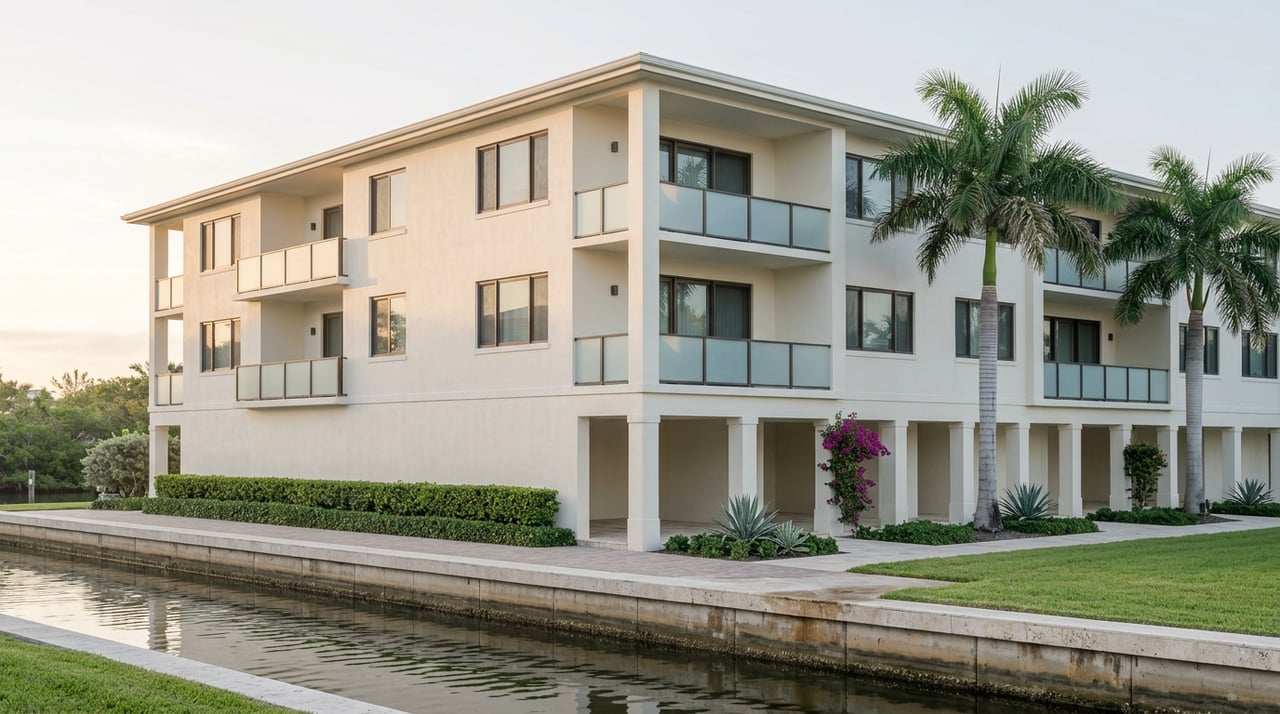
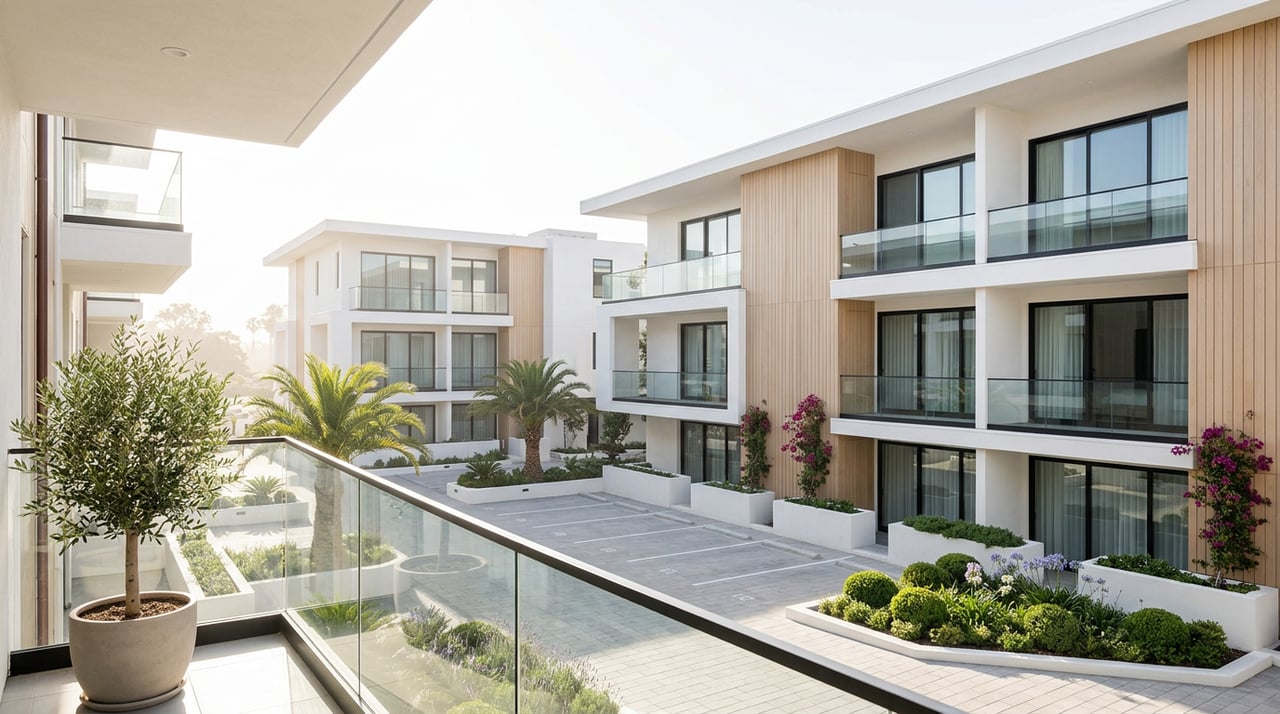
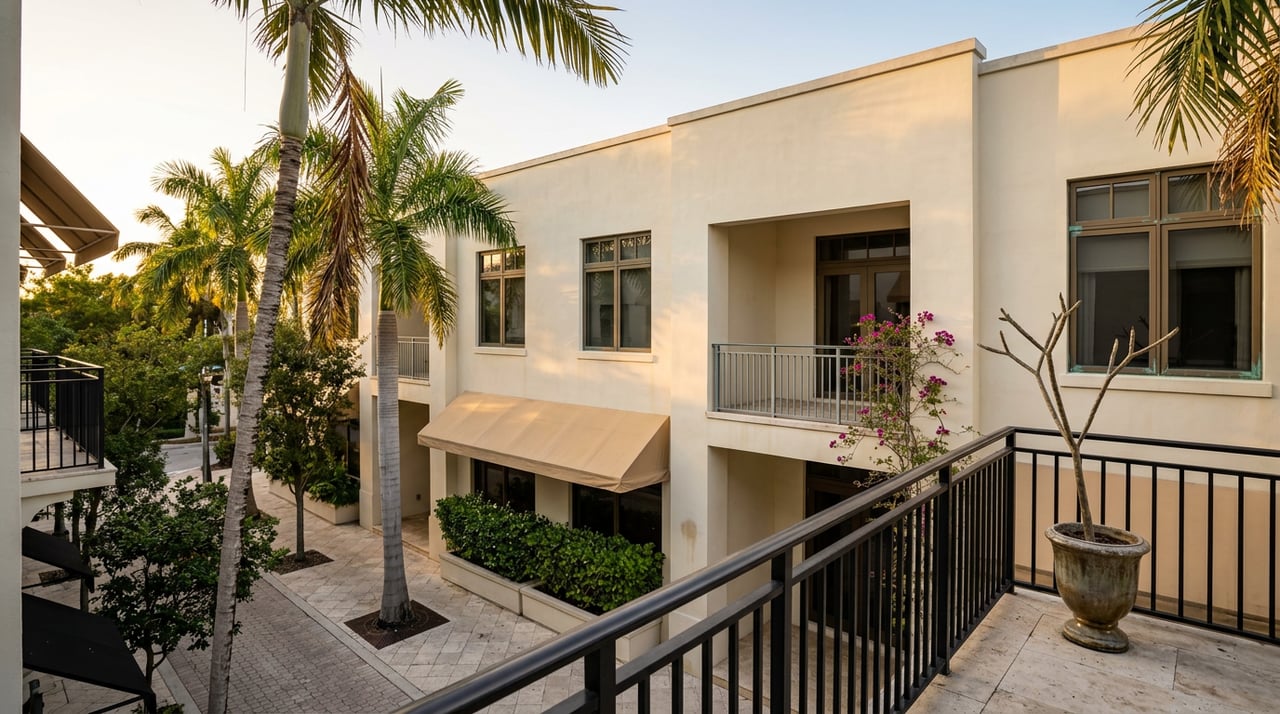
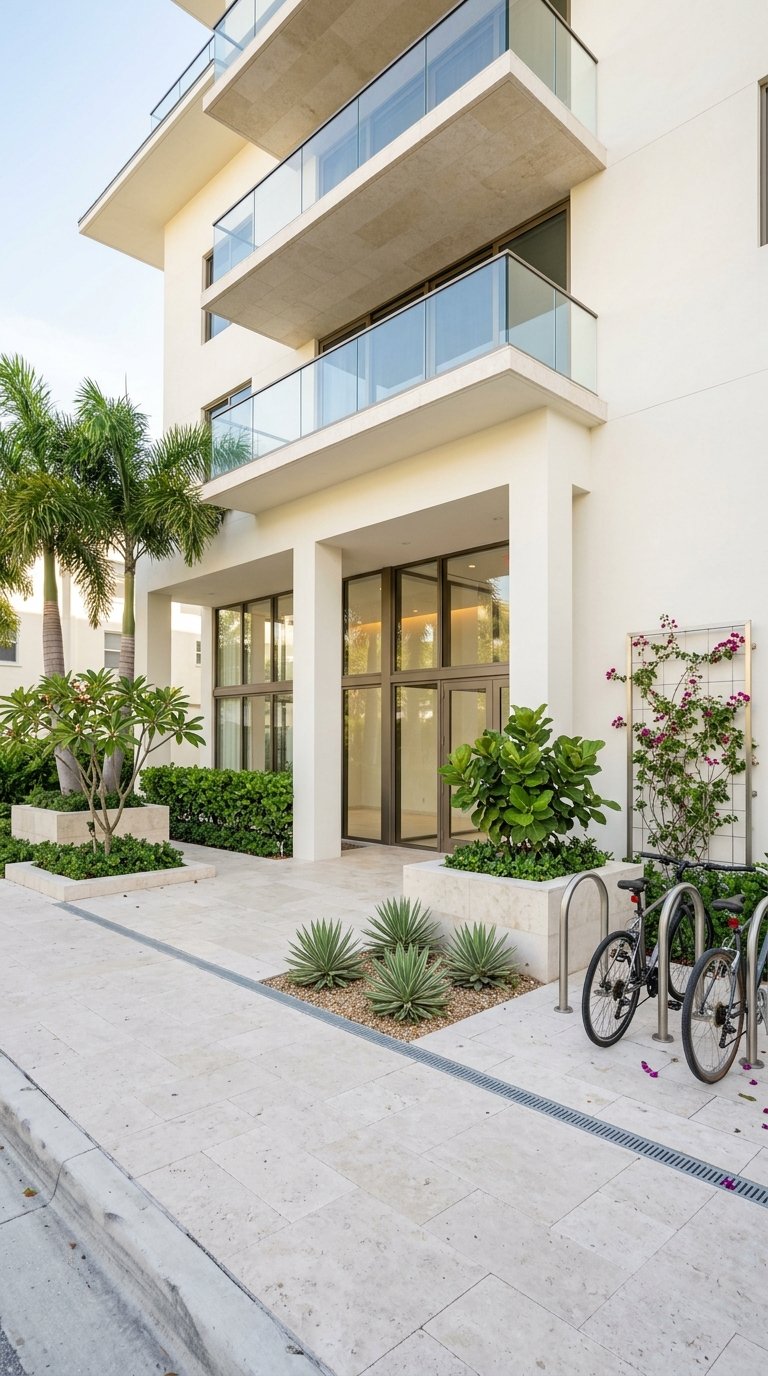
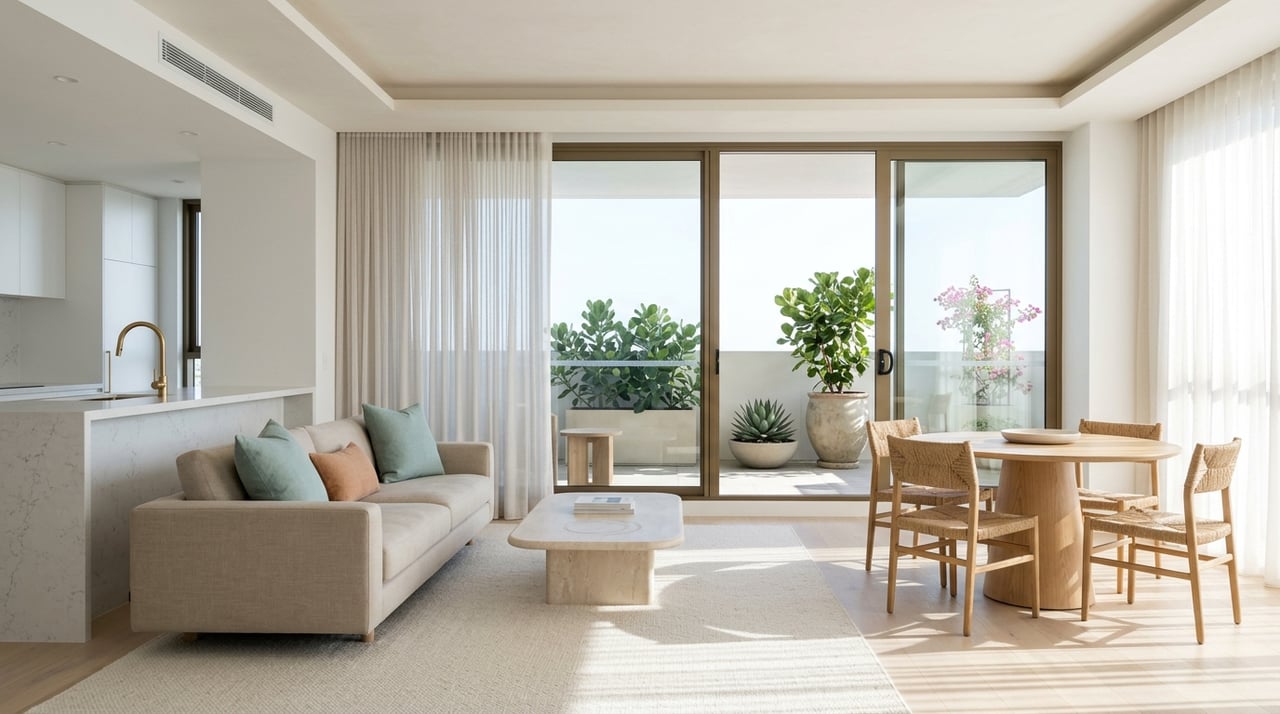
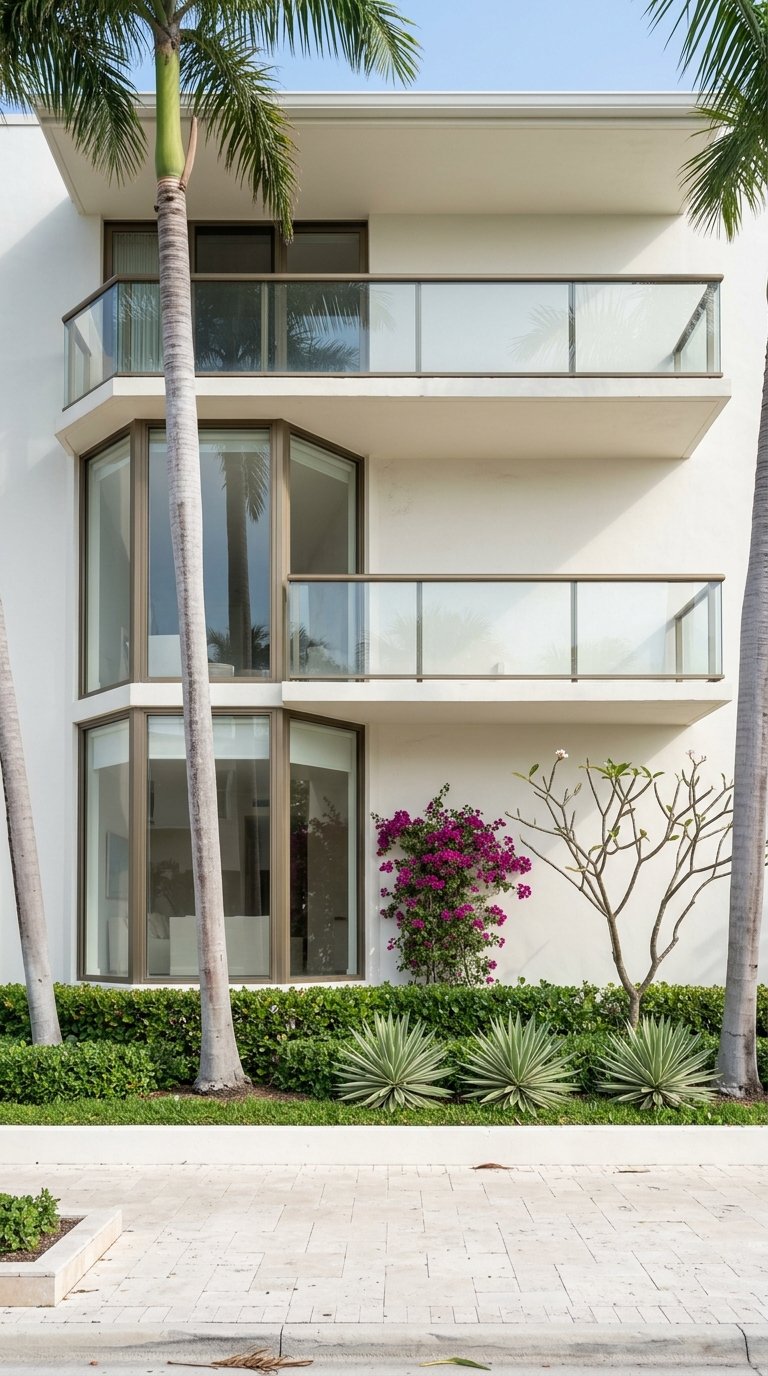
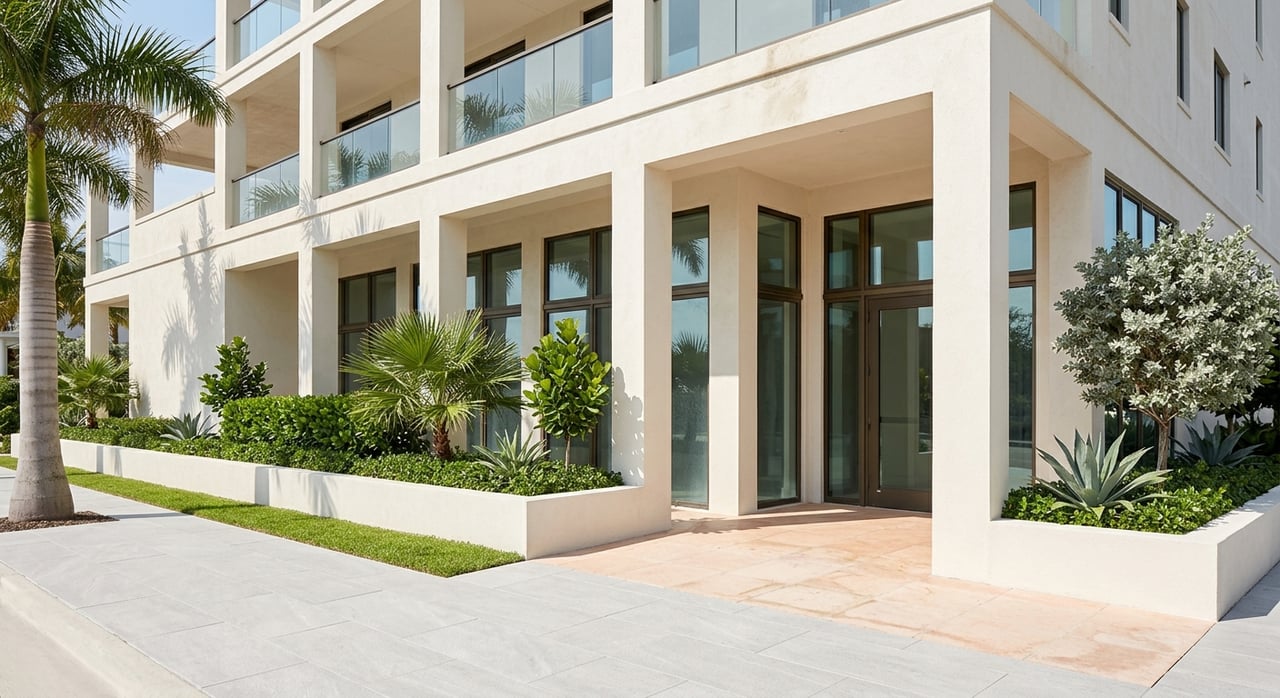
In-town inventory spans oceanfront and Intracoastal towers, boutique walk-ups tucked near Worth Avenue, and some historic conversion buildings. Layouts range from one-bedroom pieds-à-terre to multi-bedroom residences suitable for seasonal or full-time living. You’ll find both second-home owners and year-round residents.
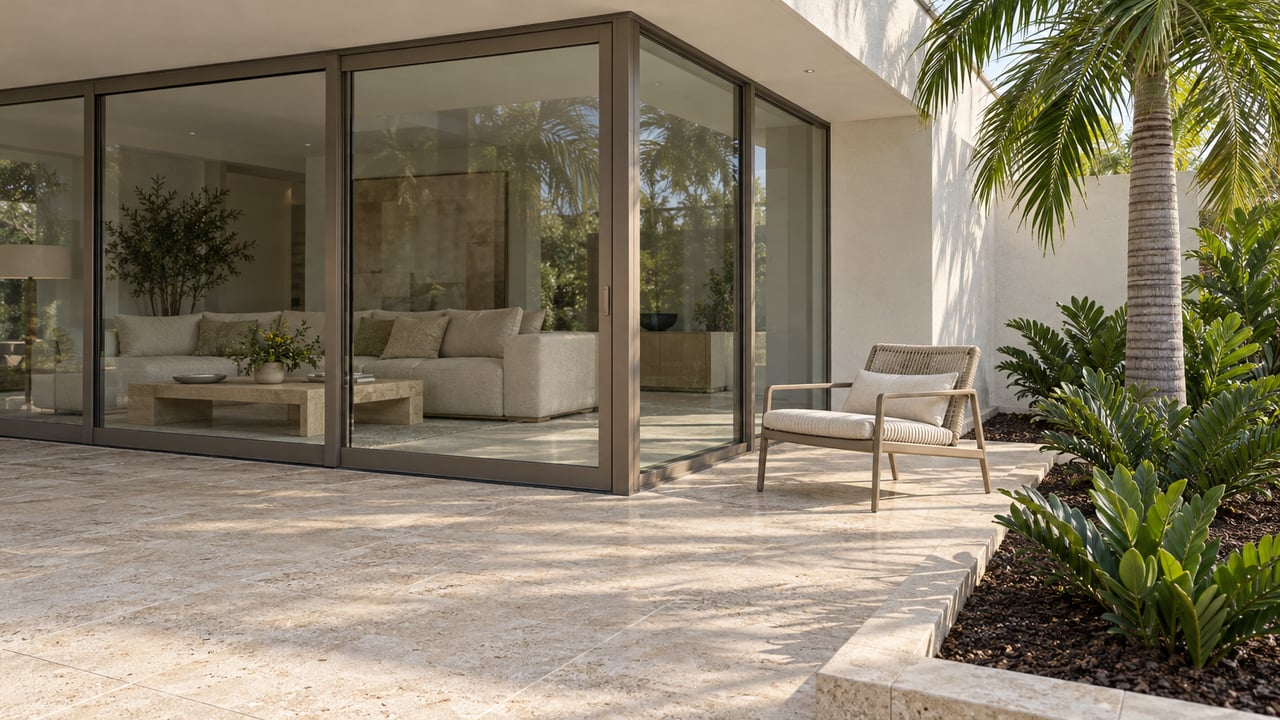
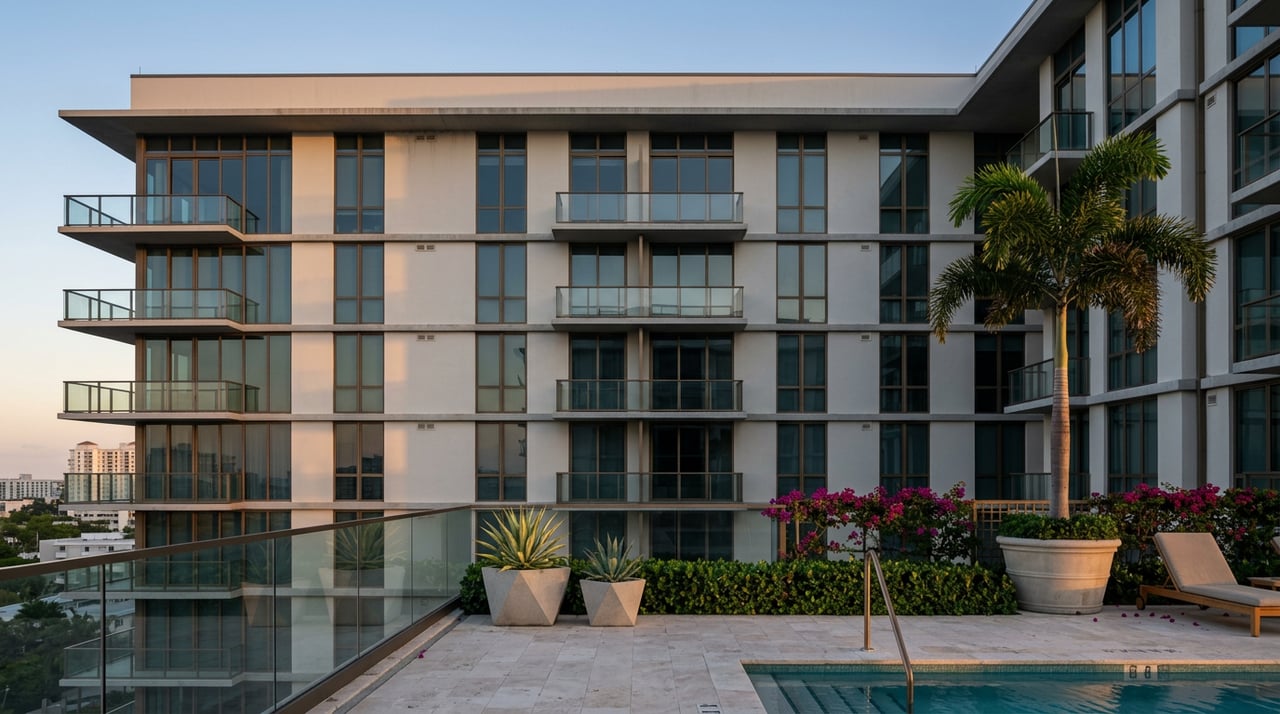
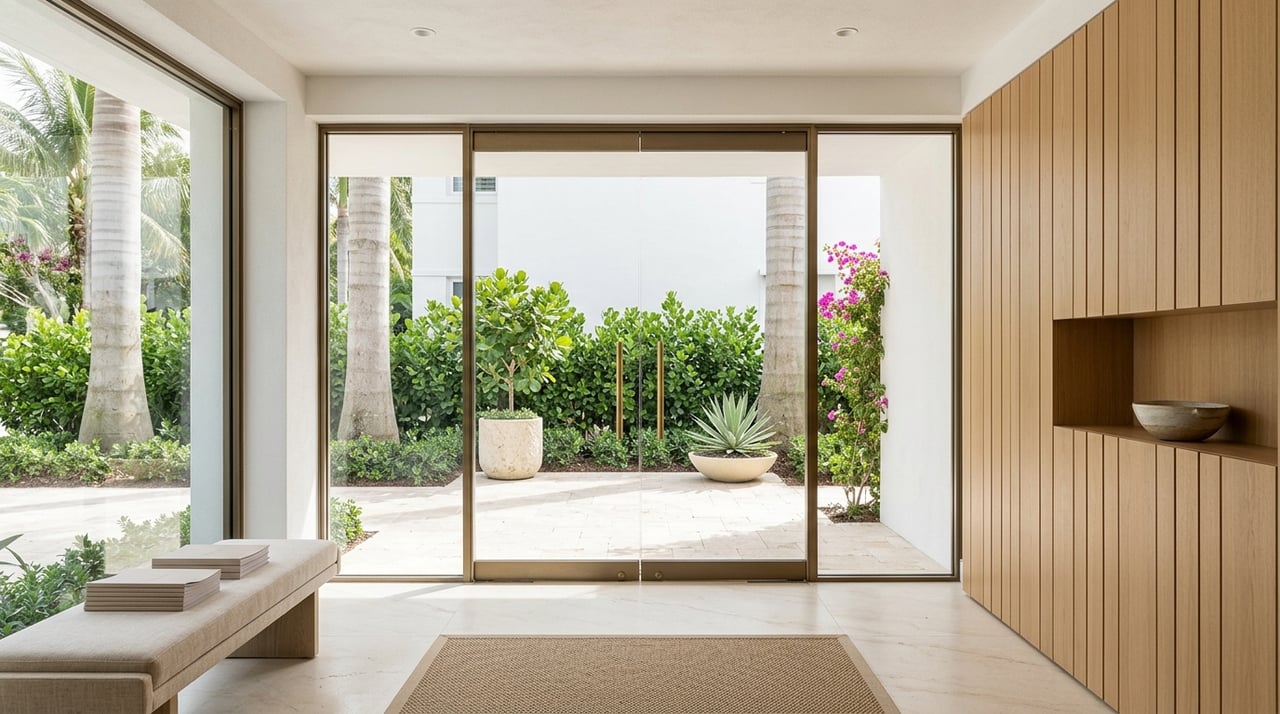
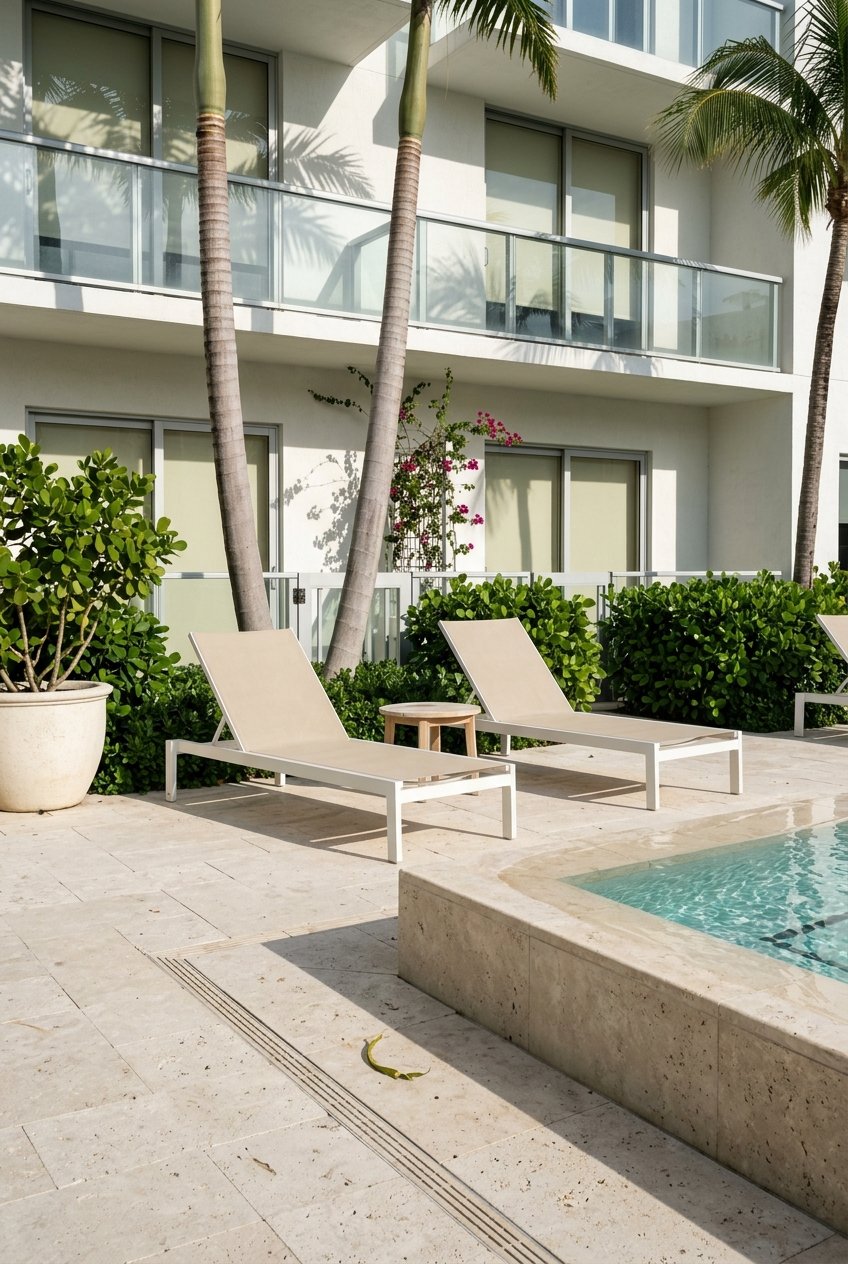
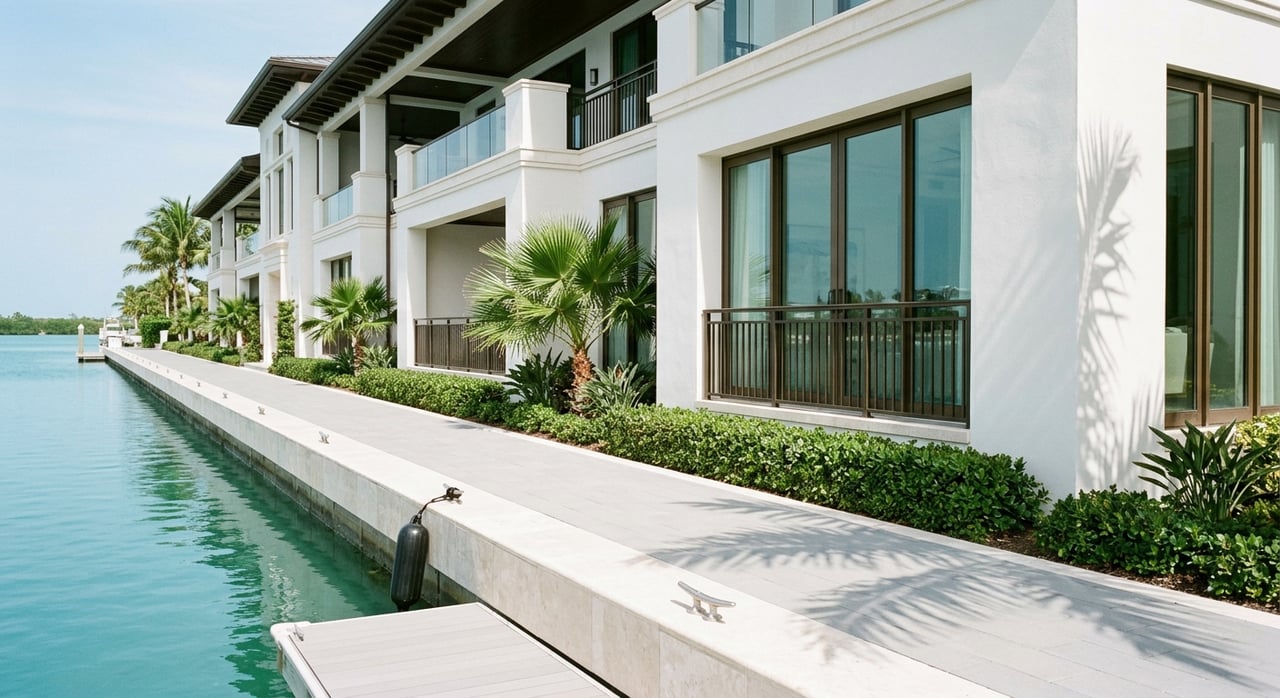
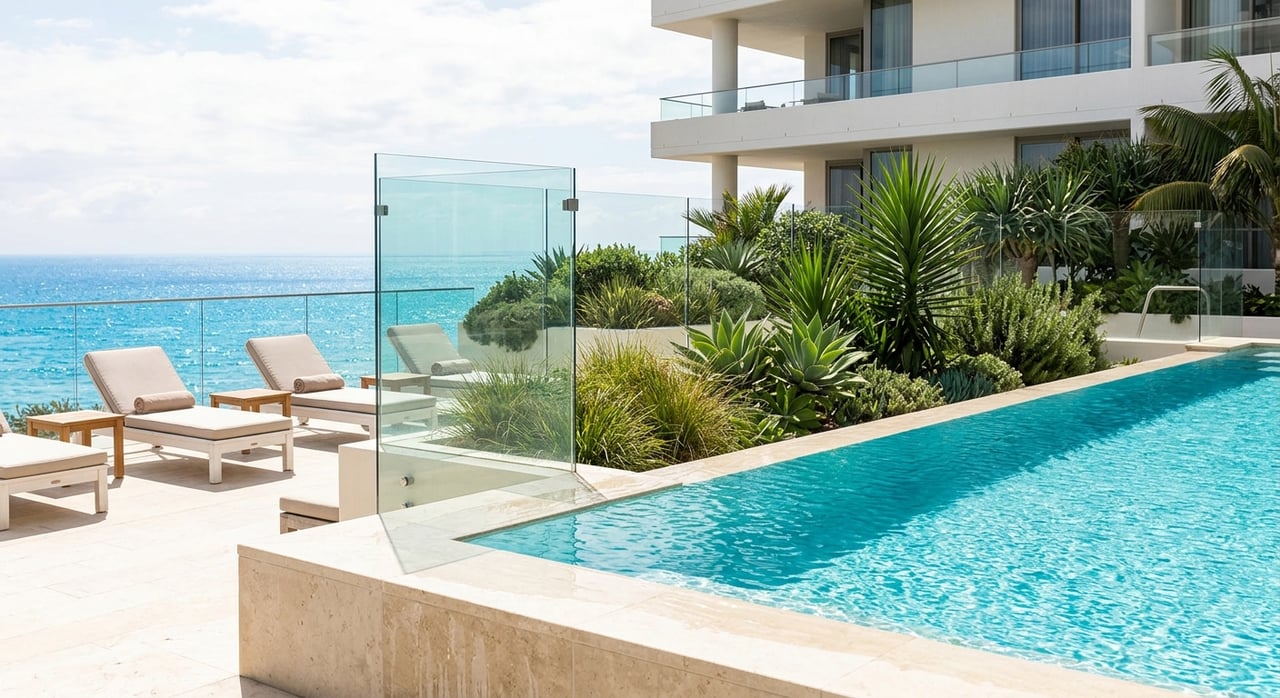
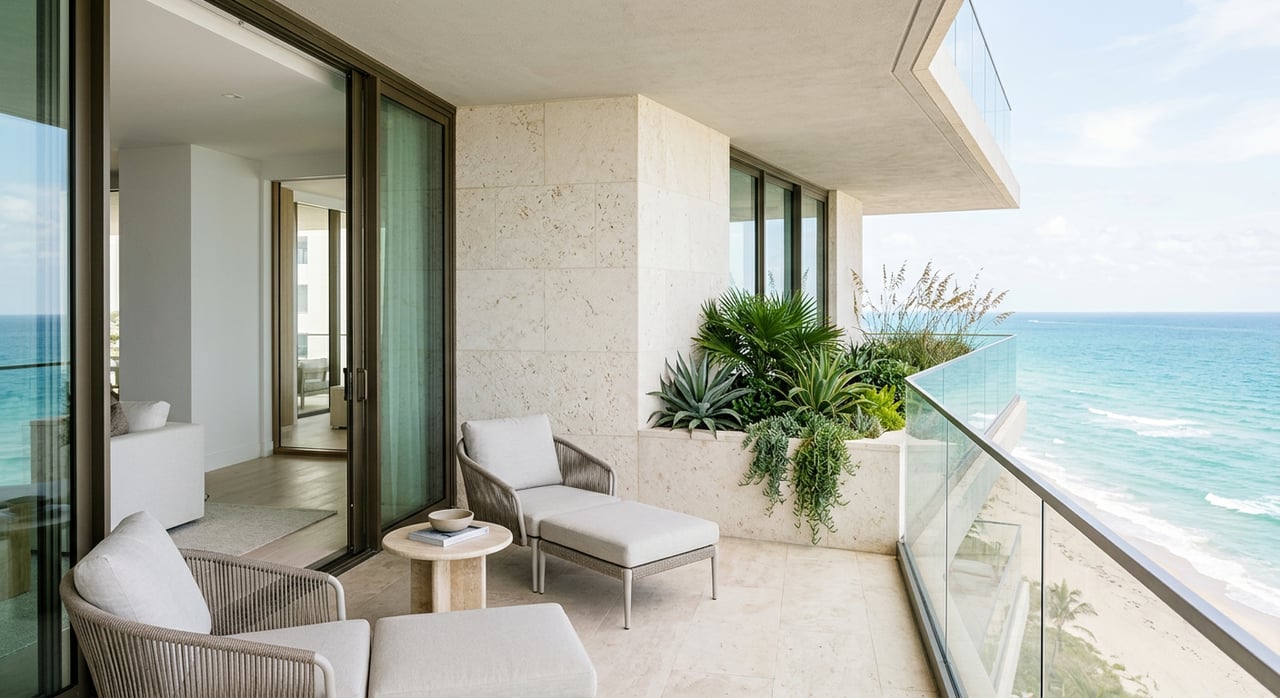
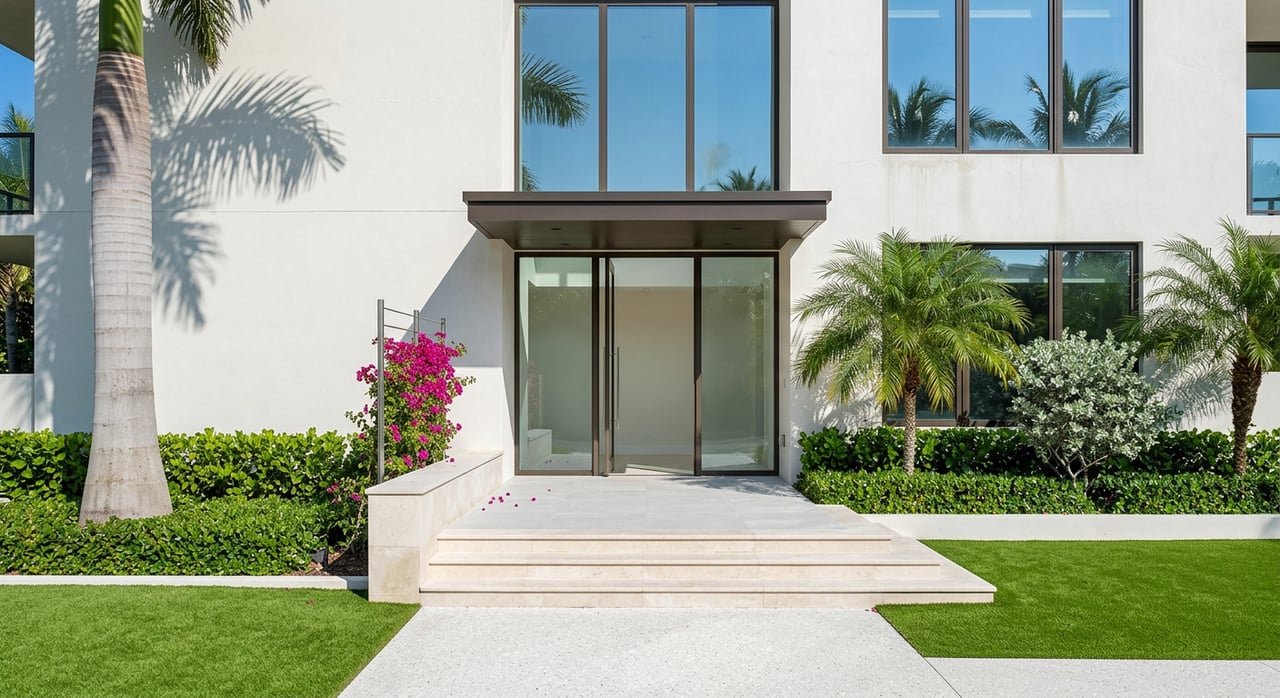
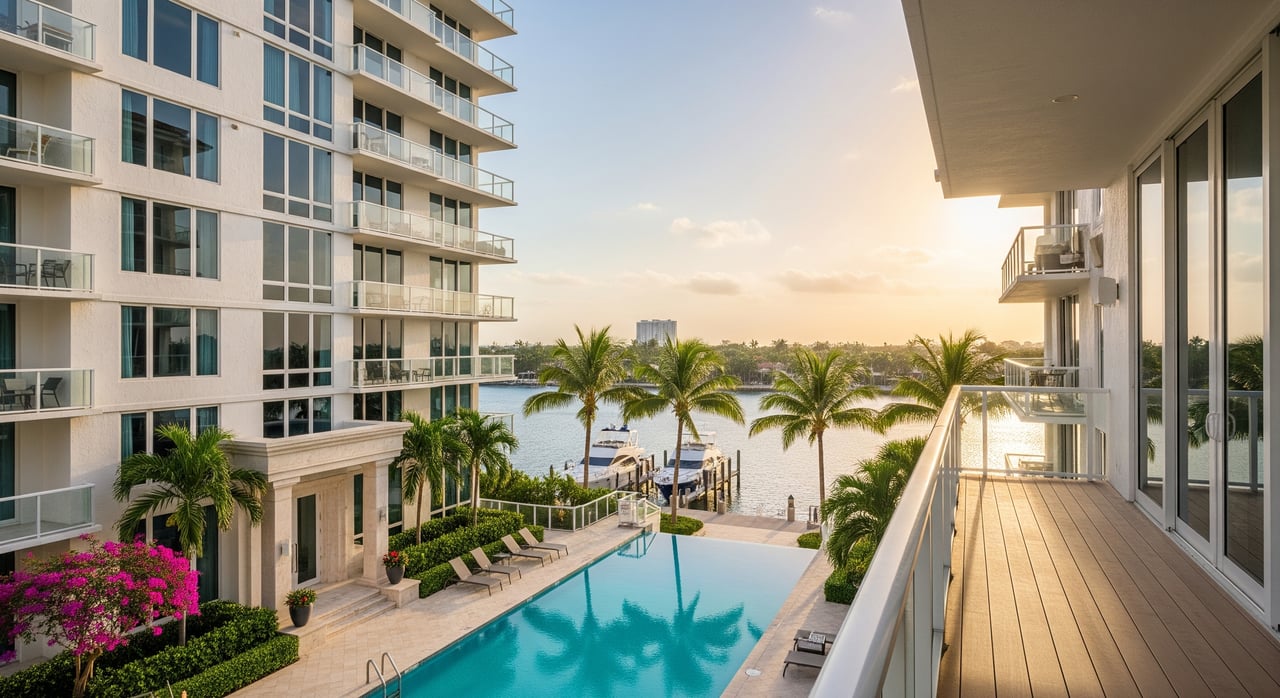
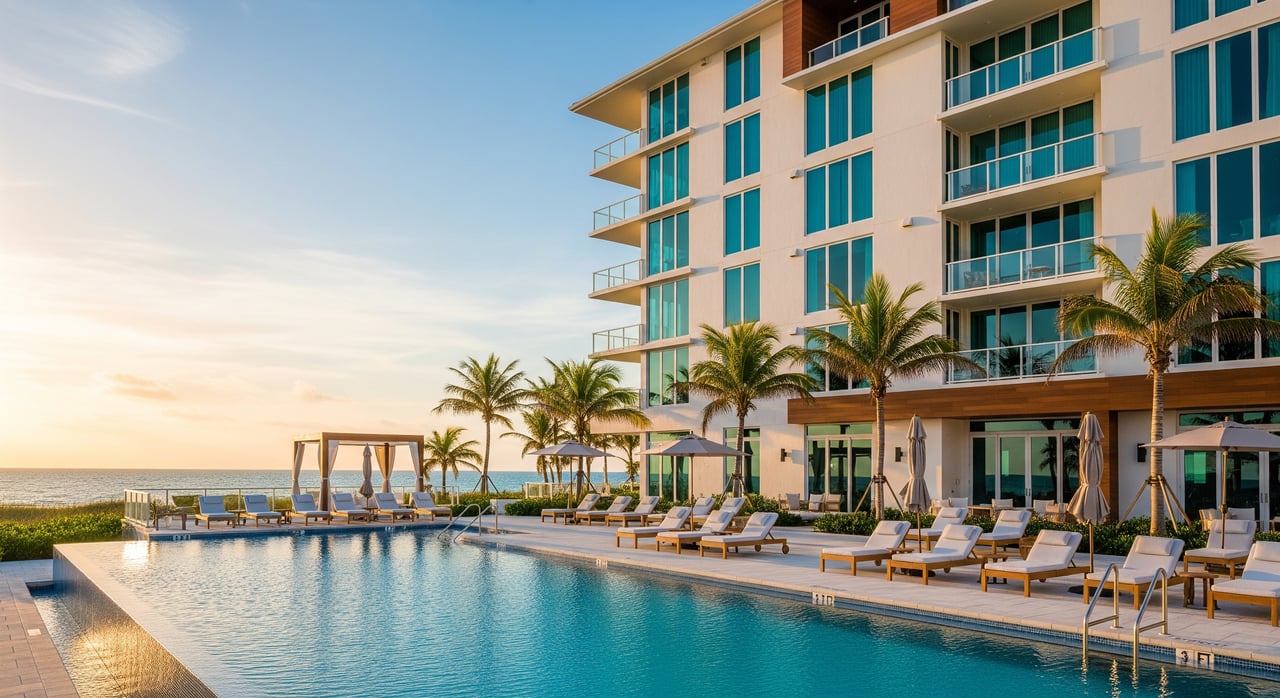
Typical amenities include staffed lobbies, doorman or concierge service, valet parking, private or keyed elevator access, fitness centers, and swimming pools. Some buildings offer private beach areas. Higher-end properties may add docks or marina slips, on-site guest suites, spa facilities, tennis, dedicated storage, and full-time maintenance teams. Controlled access and on-site management are common and support privacy and security.
Associations, fees, and rules to review
Condominium associations oversee staffing, maintenance, insurance, landscaping, and amenities. Fees reflect these services, along with coastal upkeep, and can be substantial. It’s smart to budget for association dues as a key part of your monthly housing cost.
Policies vary by building. Review condo documents for reserve studies, recent and pending special assessments, insurance details, pet policies, rental restrictions, and guest rules. Rental terms often include minimum lease periods or annual caps, and not every building allows short-term rentals.
Weather, insurance, and resilience
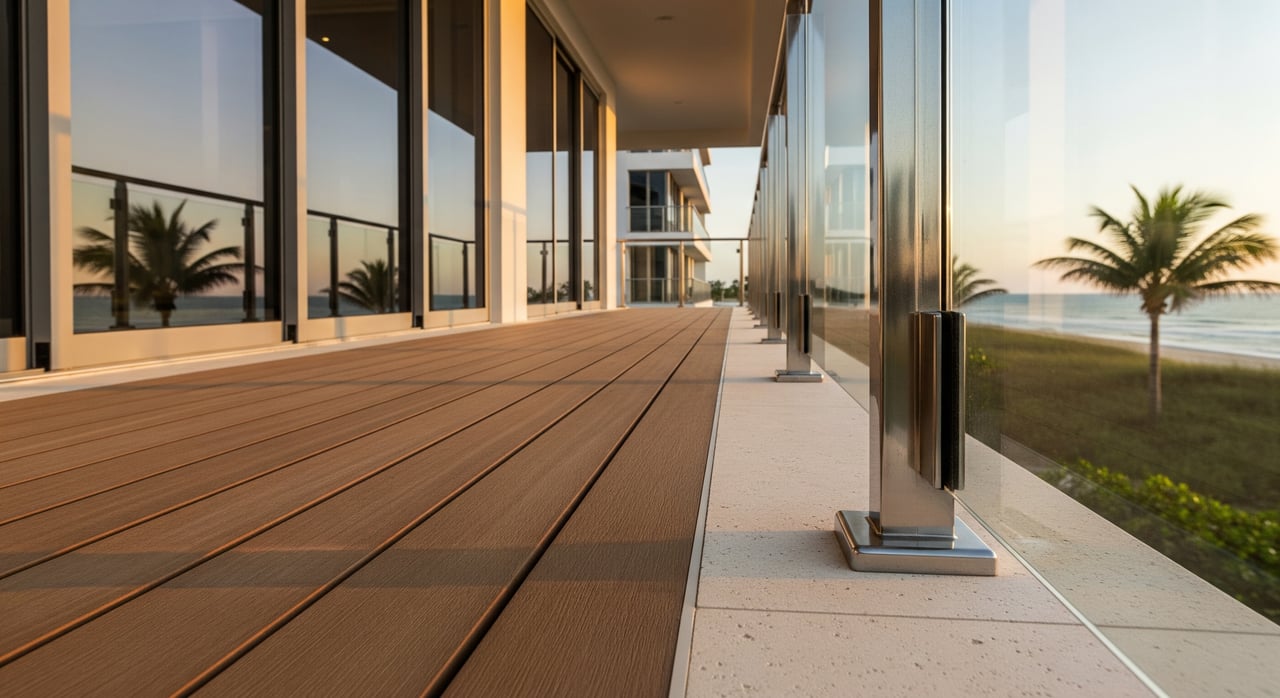
Palm Beach sits in a hurricane-prone region. Many buildings are designed or retrofitted for high wind, including impact-rated glass and reinforced structures. Much of the island lies in FEMA flood zones, and lenders commonly require flood insurance based on flood maps and elevation.
Coastal insurance costs for windstorm, flood, and property can be higher than inland rates. Understand the building’s master policy limits, how deductibles may be allocated to unit owners, and what is covered by the association versus your individual policy. Buyers focused on long-term risk often consider elevation, building flood mitigation measures, and the town’s resilience planning.
Seasonality and social rhythm
Season typically runs from late fall through spring. During these months, retail and dining hours expand, cultural and social calendars fill up, and the island becomes more active. Expect more foot traffic and tighter parking.
Summer is quieter. Some restaurants and shops reduce hours or take seasonal breaks. Many residents enjoy the calmer pace and easier table availability.
A simple in-town buyer checklist
Use this quick list to focus your search and due diligence:
- Walk the neighborhood at different times. Visit a few weekdays and weekends, in and out of season, to gauge crowd levels and noise near Worth Avenue and the Plaza.
- Confirm parking and guest access. Verify your assigned space, valet options, guest parking, and any restrictions on visitor access.
- Review HOA budgets and reserves. Ask for recent operating budgets, reserve studies, and information on past or pending special assessments.
- Study policies that affect use. Check rental terms, pet rules, guest policies, and any renovation guidelines that might impact your plans.
- Verify storm and flood protections. Confirm impact glass or shutters, past retrofit work, and building compliance certificates.
- Understand insurance. Learn how the building’s master policy works, what you need to insure separately, and the flood insurance requirements for your unit.
- Evaluate building condition. Review engineering or structural reports, maintenance schedules, and the age of major systems.
Is in-town right for you?
If you value walkability, a vibrant yet refined social calendar, and professional building management, an in-town Palm Beach condo can deliver a low-maintenance, lifestyle-first experience. You can enjoy dining, art, and the beach without giving up privacy or comfort. The key is aligning your must-haves with the right building’s amenities, rules, and budget.
If you want guidance from a founder-led brokerage based right in the heart of the island, connect with Palm Beach Residential Properties for a calm, private consultation tailored to your goals.
FAQs
What does “in-town Palm Beach condo” mean?
- It refers to condos in the walkable core near Worth Avenue, Royal Poinciana Plaza, Royal Palm Way, and South County Road, where dining, shopping, and services cluster.
How convenient is daily life without a car in Palm Beach?
- In the central blocks, you can walk to cafés, shops, and the beach, while larger supermarkets and major services typically require a short drive to West Palm Beach.
Do Palm Beach Island condos include parking for residents and guests?
- Many buildings offer assigned spaces or valet service, but downtown street parking is limited and often restricted; confirm guest parking rules with each building.
Are short-term rentals allowed in Palm Beach condos?
- Policies vary by association, and some buildings restrict leases with minimum terms or annual caps, so always confirm rental rules in the condo documents.
What HOA fees usually cover in in-town buildings?
- Fees commonly fund staffing, common-area utilities, building insurance, landscaping, amenity upkeep, and reserve contributions; amounts vary by building.
What should I know about flood and wind insurance on the island?
- Much of the island lies in FEMA flood zones and lenders often require flood coverage; coastal wind, flood, and property insurance costs can be higher than inland rates.