Buying or selling a condo on Jupiter Island and hearing a lot about milestone inspections? You are not alone. These structural reviews now shape budgets, timelines, and even mortgage approvals across Florida. If you understand what triggers them, what the reports say, and how lenders and associations respond, you can plan with confidence and avoid last‑minute surprises. This guide breaks down what you need to know for Jupiter Island condos, plus the documents to request and the steps to take. Let’s dive in.
What is a milestone inspection?
A milestone inspection is a state‑mandated structural review of a residential condominium or cooperative building that is three or more stories. The goal is to identify deterioration, corrosion, or other conditions that could affect life safety or long‑term integrity.
The association or board is responsible for commissioning the inspection. A licensed structural engineer or a qualified architect performs the work and issues a sealed report. That report highlights observed conditions, recommends repairs, and may include a prioritized timeline.
For buyers and sellers, the milestone report is a central document. It informs budgets, insurance, lender decisions, and the overall marketability of a property.
When inspections are required
State age triggers
Under Florida law adopted after the Surfside tragedy, the baseline schedule is clear:
- Initial milestone inspection at 30 years after a building receives its certificate of occupancy.
- Reinspection every 10 years thereafter.
If a report finds urgent life‑safety issues, the association must act right away and may need follow‑up inspections. Storms or other events can also prompt additional reviews.
Local variations in Martin County
While the state sets the minimum, some counties and municipalities add their own recertification steps. Requirements can vary by jurisdiction. On Jupiter Island, confirm any county or municipal filing expectations with local building officials. Associations should document correspondence and any required filings in their records for resale.
What the inspection covers
You can expect the engineer to focus on the building’s primary structural systems and envelope. Common areas include:
- Structural components: columns, beams, slabs, load‑bearing walls, and foundations.
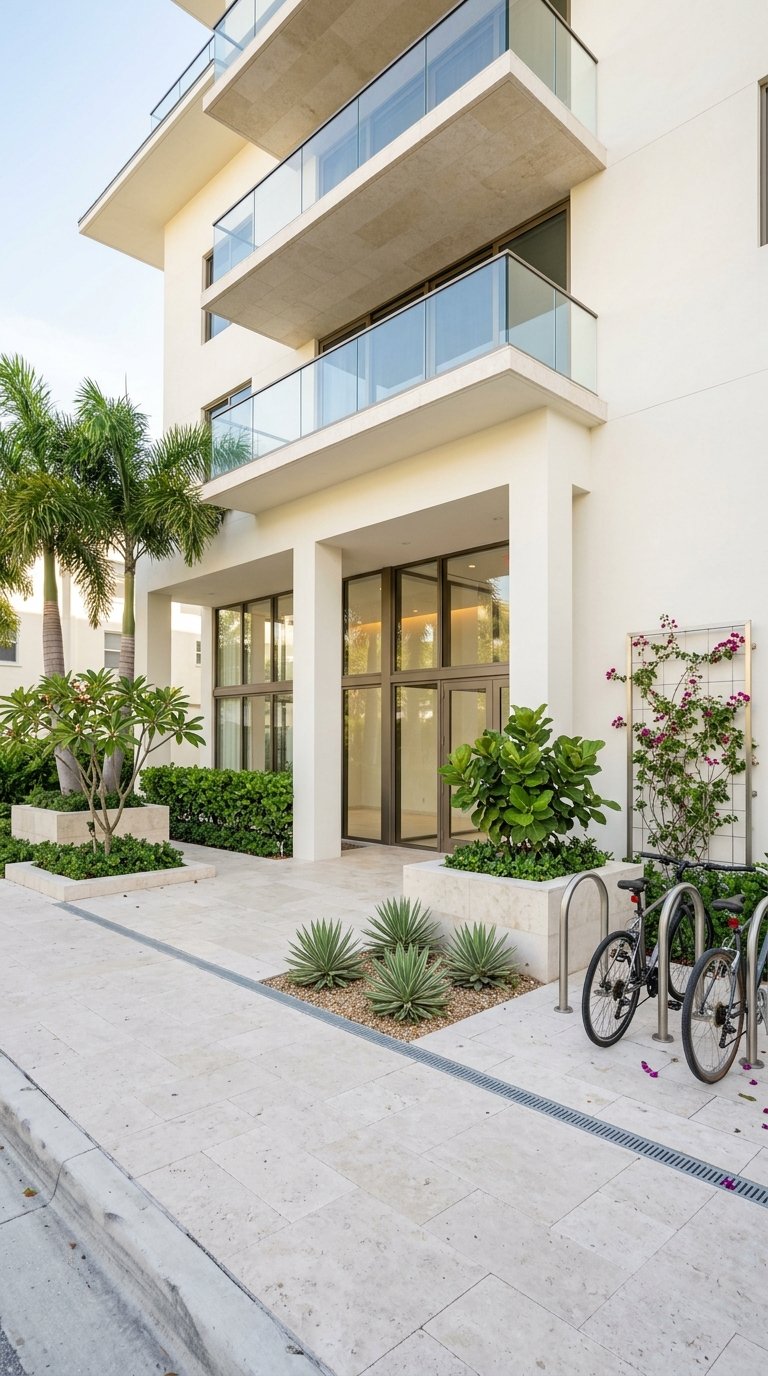
- Building envelope: exterior walls, balconies and cantilevers, waterproofing, cladding, and window or door systems.
- Roof systems and parapets.
- Parking garages and slab‑on‑grade areas.
- Stairwells and visible load paths.
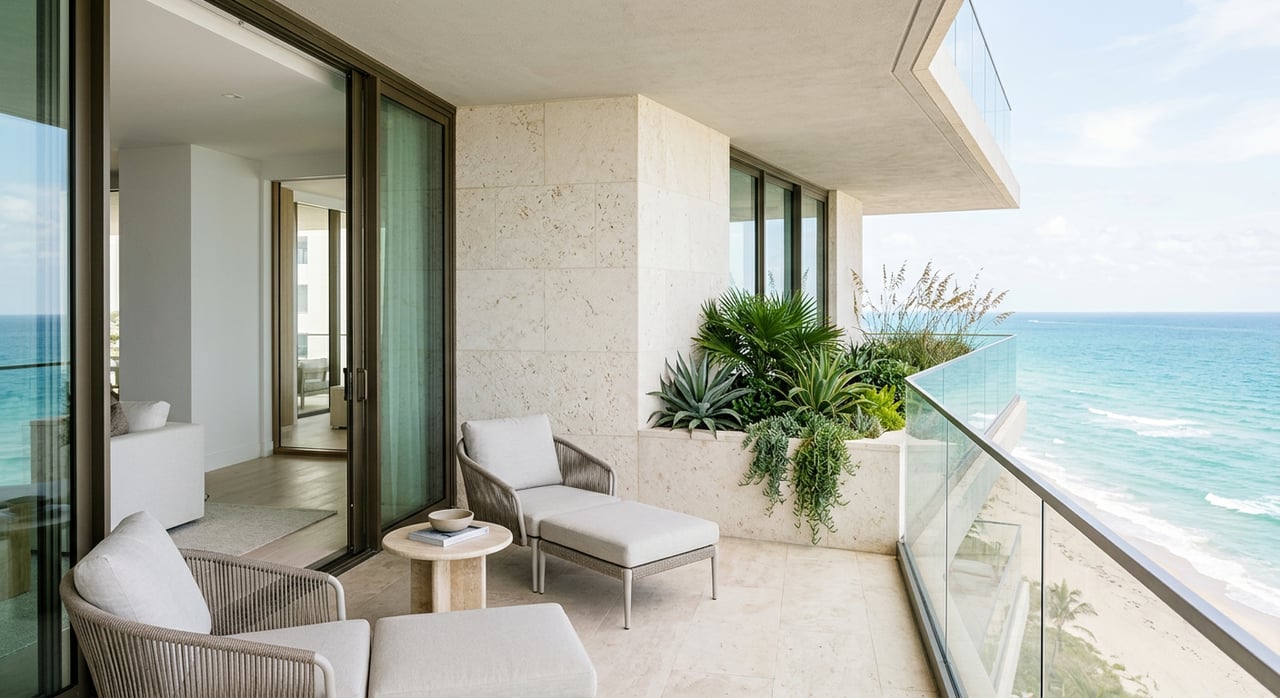
Coastal buildings face special stressors. Salt air, wind‑driven rain, and hurricane conditions accelerate corrosion, especially at balcony connections and reinforcing steel. The report may recommend targeted testing or monitoring in these areas.
What the report includes
A sealed report will typically provide:
- A clear description of observed conditions and severity.
- Life‑safety findings and immediate actions if hazards exist.
- Recommended repairs, a prioritized timeline, and any monitoring protocols.
- Cost estimates or ranges for recommended work.
- Guidance on permitting or sequencing if needed.
If issues are significant, the report can trigger multi‑phase remediation and a detailed funding plan by the association.
How it affects your budget and closing
Cost exposure and funding
Repair costs can range widely. Some buildings need routine maintenance, while others require multi‑million‑dollar programs. Associations usually fund work through:
- Existing reserves, if sufficient.
- Special assessments, paid in lump sums or installments per association policy.
- Association loans, which may spread costs but add interest and underwriting conditions.
Insurance carriers may adjust premiums or impose conditions if an inspection shows elevated risk. Coastal exposure already brings stricter underwriting, so timing and documentation matter.
Lender and underwriting impacts
Buyers using financing should expect extra scrutiny. Lenders often ask for:
- The most recent milestone inspection report.
- Evidence of a feasible funding plan for required repairs.
- Reserve balances and budgets that align with recommendations.
If a building has unresolved structural deficiencies or inadequate reserves, some loans can be delayed or denied. Address lender questions early to avoid last‑minute stress.
Timelines for repairs and sales
Permitting, contractor availability, and storm seasons can stretch repair timelines from months to years. On a barrier island, coastal and environmental reviews can add steps. For transactions, this means you should build in time to gather records, clarify assessment responsibilities, and satisfy lender conditions.
Documents to request for Jupiter Island condos
Ask for these items as early as possible. They help you understand condition, funding, and regulatory standing.
- Milestone inspection report(s), both current and prior if available.
- Association meeting minutes where inspections, findings, and funding were discussed.
- Reserve study and current reserve balances.
- Association budgets and recent financial statements.
- Special assessment notices, payment schedules, and board resolutions.
- Executed repair contracts, bids, permits, and lien waivers for work in progress.
- Insurance declarations and claims history.
- Certificates of compliance and correspondence with state or local building departments.
- Building plans and maintenance records, especially for roofs, balconies, and waterproofing.
- Pending litigation disclosures related to structural issues.
- The association’s resale certificate and required disclosure package.
- Photo documentation and progress reports for ongoing remediation.
On Jupiter Island, documents that show coastal permitting status, contractor mobilization, and realistic schedules are especially helpful. They give buyers confidence and help sellers keep transactions on track.
Step‑by‑step: sellers and buyers
For sellers and board members
- Confirm your building’s milestone status and deadlines with a licensed engineer and local officials.
- Assemble a clear packet: the latest report, minutes, budgets, reserve balances, assessment decisions, and a concise summary of findings and funding.
- Start budgeting and seek competitive bids early for substantial work.
- Coordinate with your insurance broker and counsel before committing to a remediation plan.
For buyers
- Request the latest milestone report, related board minutes, budgets, and reserve statements as soon as you are serious about a property.
- Ask about special assessments: whether one is pending or approved, how it will be collected, and what remains unpaid.
- Speak with your lender about project eligibility if the building has outstanding work or limited reserves.
- Consider retaining a condo‑savvy attorney and have any technical findings reviewed by a structural engineer if the report flags major repairs.
- Confirm expected repair and permit timelines, then factor possible delays into your offer and closing plan.
Reading a report: key signals
Not every finding carries the same weight. Focus on:
- Life‑safety items that require immediate action.
- Severity and location of corrosion or concrete spalling, especially at balconies, railings, and parking structures.
- The recommended timeline and phasing of work.
- Cost ranges, funding sources, and whether reserves are adequate.
- Monitoring protocols that may affect access to amenities or units.
If you see terms like “immediate,” “restricted access,” or “unsafe,” ask the association how they are addressing the issue and what the timeline looks like. Consistent, transparent updates are a positive sign of board leadership.
Planning for coastal permitting
Barrier‑island projects can involve coastal construction controls, tree or shoreline protections, and FEMA related requirements. This can affect when work starts and how it is sequenced. Ask the association whether permits have been applied for, whether comments have been received, and which contractors are engaged. Realistic schedules and documentation help both buyers and lenders.
Make your offer and contract smarter
A strong offer accounts for building condition and association finances. Consider these tips:
- Align closing time frames with lender document reviews and association response times.
- Clarify assessment obligations in writing, including any approved but unpaid amounts.
- If significant repairs are pending, discuss how work may impact access, noise, and insurance.
- Build in time for your attorney and, if needed, an engineer to review the milestone report.
A building with a completed remediation program and well funded reserves can be a selling point. Clear documentation often restores buyer confidence and helps stabilize values.
Work with a local expert
You deserve a calm, experienced guide who can interpret association documents, coordinate with your lender, and keep the process moving. If you are weighing two great Jupiter Island options, a thoughtful review of milestone reports, minutes, reserves, and assessments can be the difference between a smooth closing and a stressful one.
If you want tailored guidance and a steady hand from first call to close, connect with Palm Beach Residential Properties. Our founder‑led, concierge approach and building‑level intelligence help you move forward with clarity and confidence.
Ready to talk through your goals and next steps? Reach out to Palm Beach Residential Properties.
FAQs
What is a Florida condo milestone inspection?
- A state‑mandated structural review for residential condo or co‑op buildings three or more stories tall, first due at 30 years of age and every 10 years after.
Who pays for milestone inspections and repairs?
- The association commissions and pays for the inspection, while repairs are typically funded through reserves, special assessments, or association loans.
How can a milestone inspection affect my closing?
- Lenders and buyers review findings closely, and large assessments or unresolved life‑safety issues can delay financing or cause contracts to be reworked.
Can I cancel if a report reveals major issues after I am under contract?
- Your options depend on contract contingencies and required disclosures, so consult a condo‑savvy attorney and review the resale documents carefully.
What should I ask my lender about a building with pending repairs?
- Ask about project eligibility standards, required documents, reserve expectations, and whether outstanding deficiencies could affect loan approval.
Why are Jupiter Island buildings watched closely for balconies and corrosion?
- Coastal salt air and wind‑driven rain accelerate corrosion at connections and reinforcing steel, so balconies and exposed concrete need careful review.