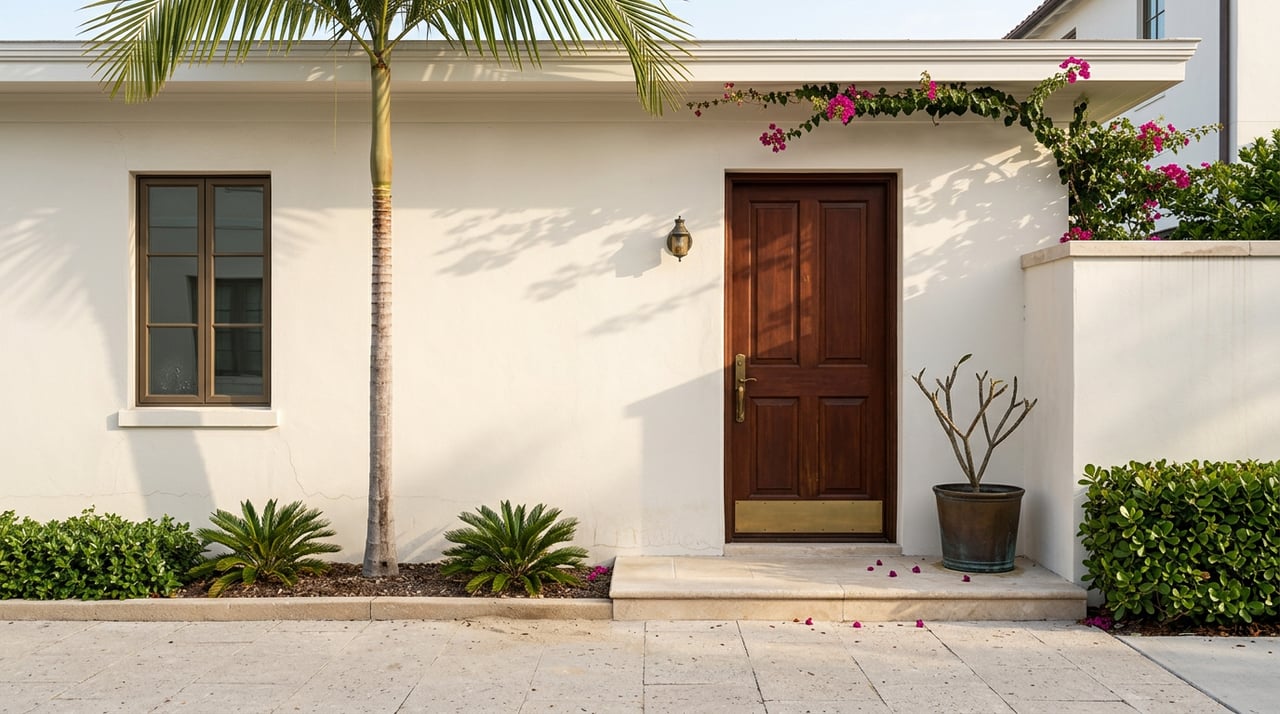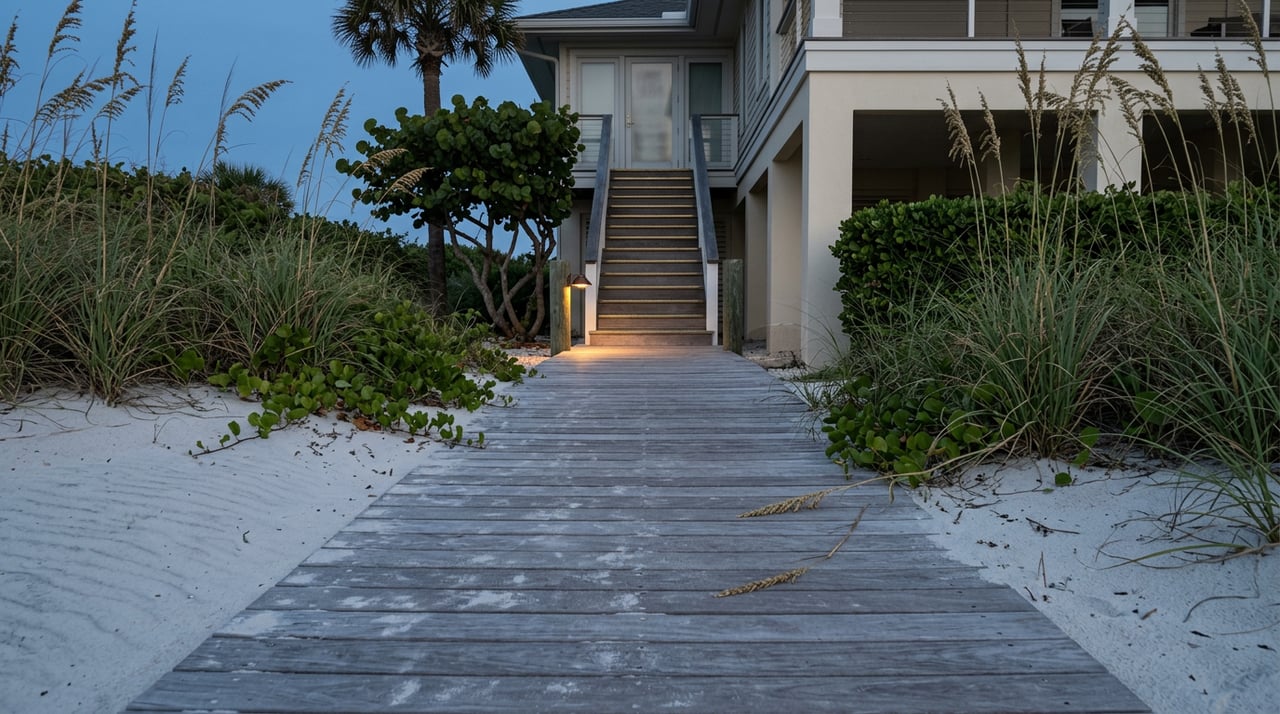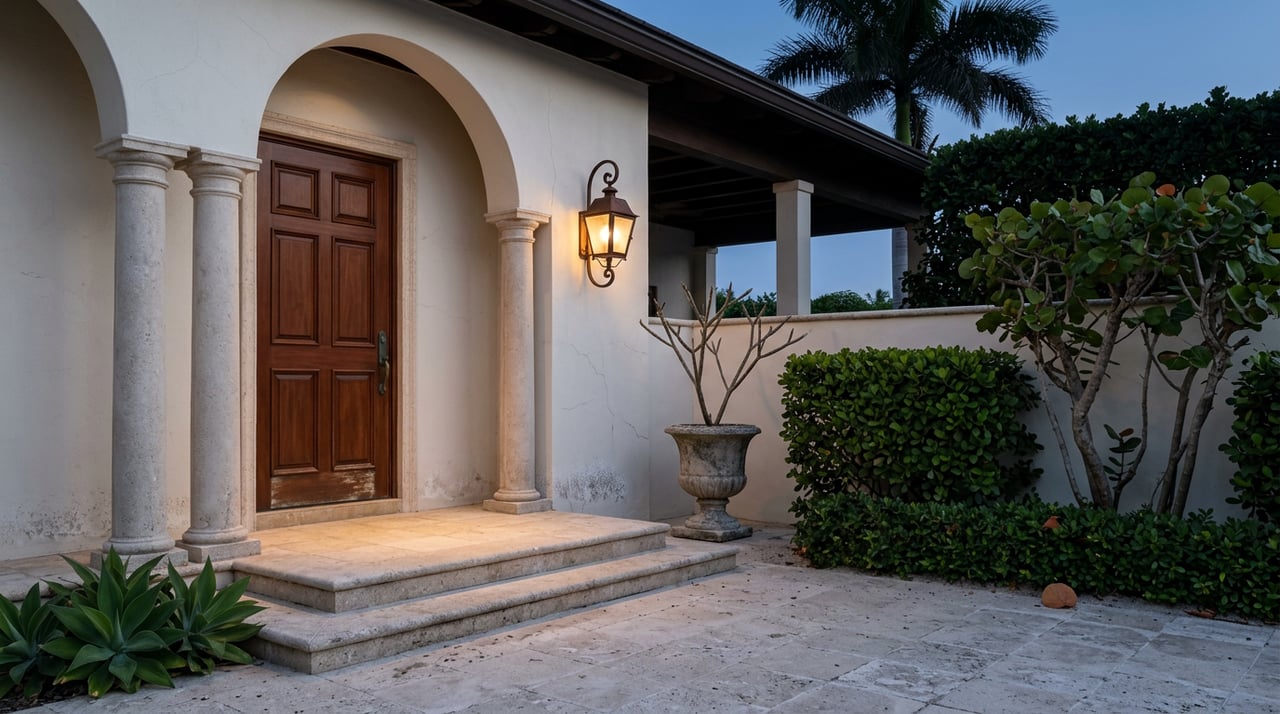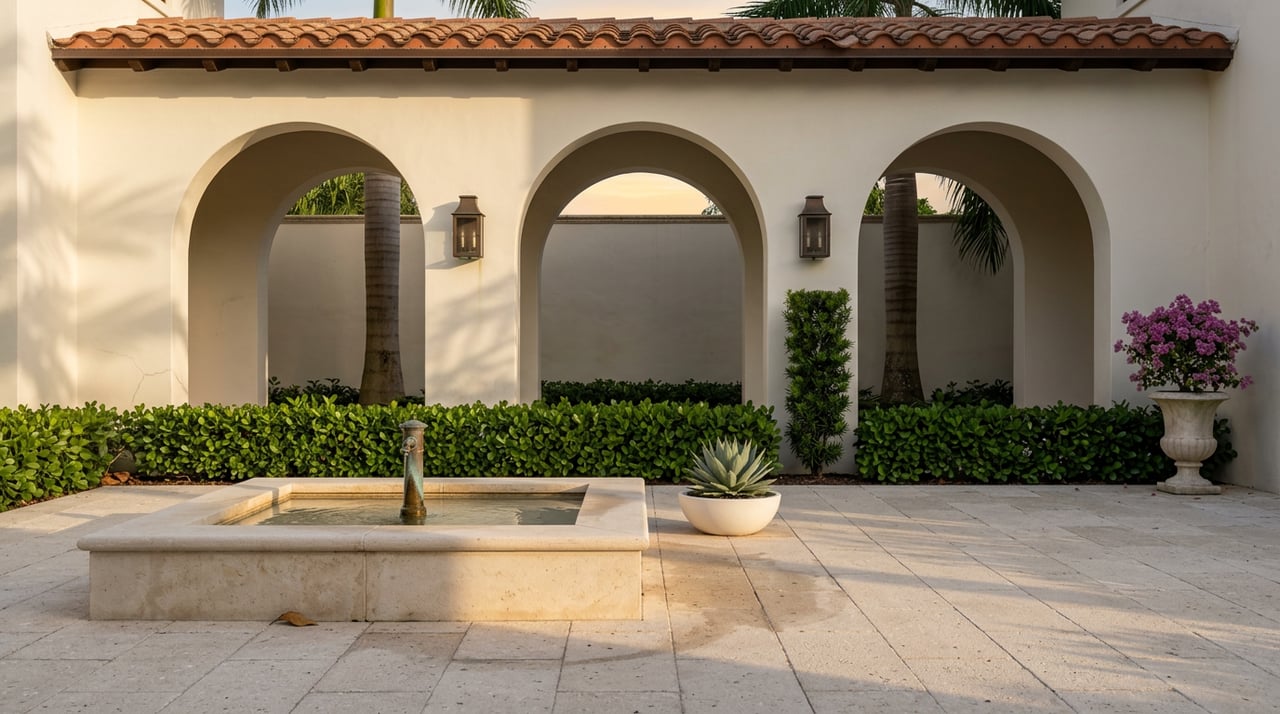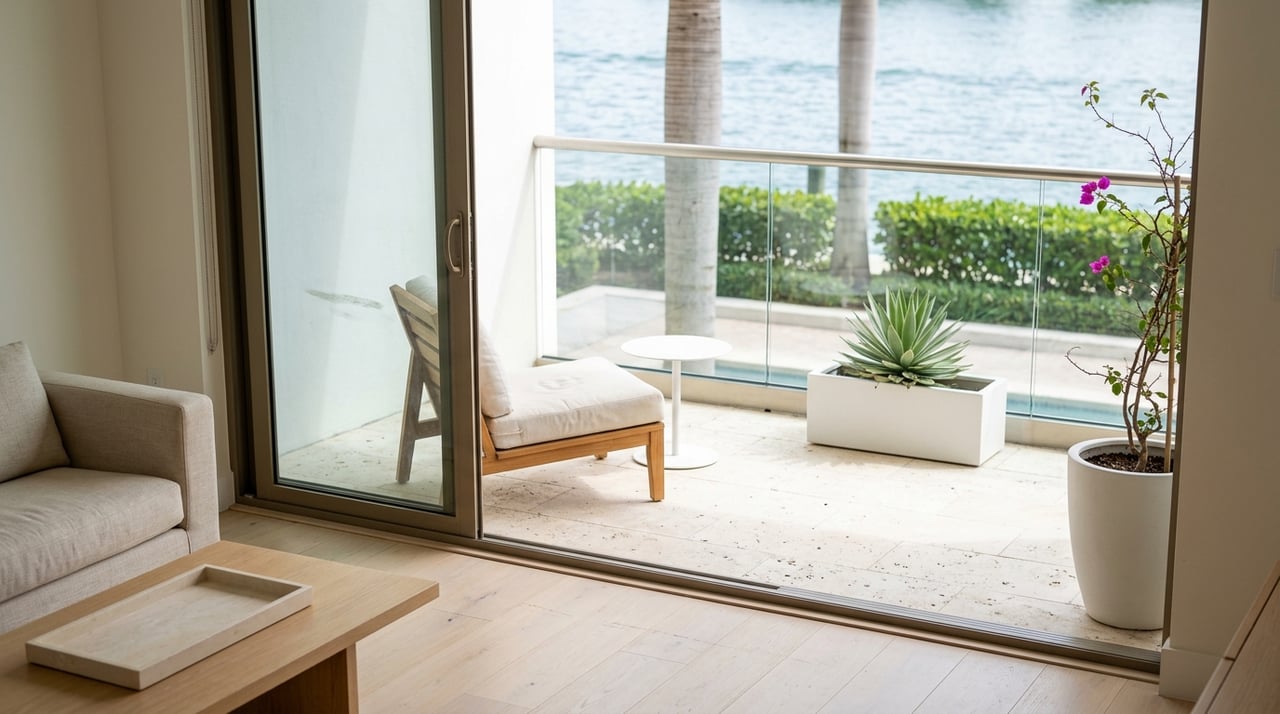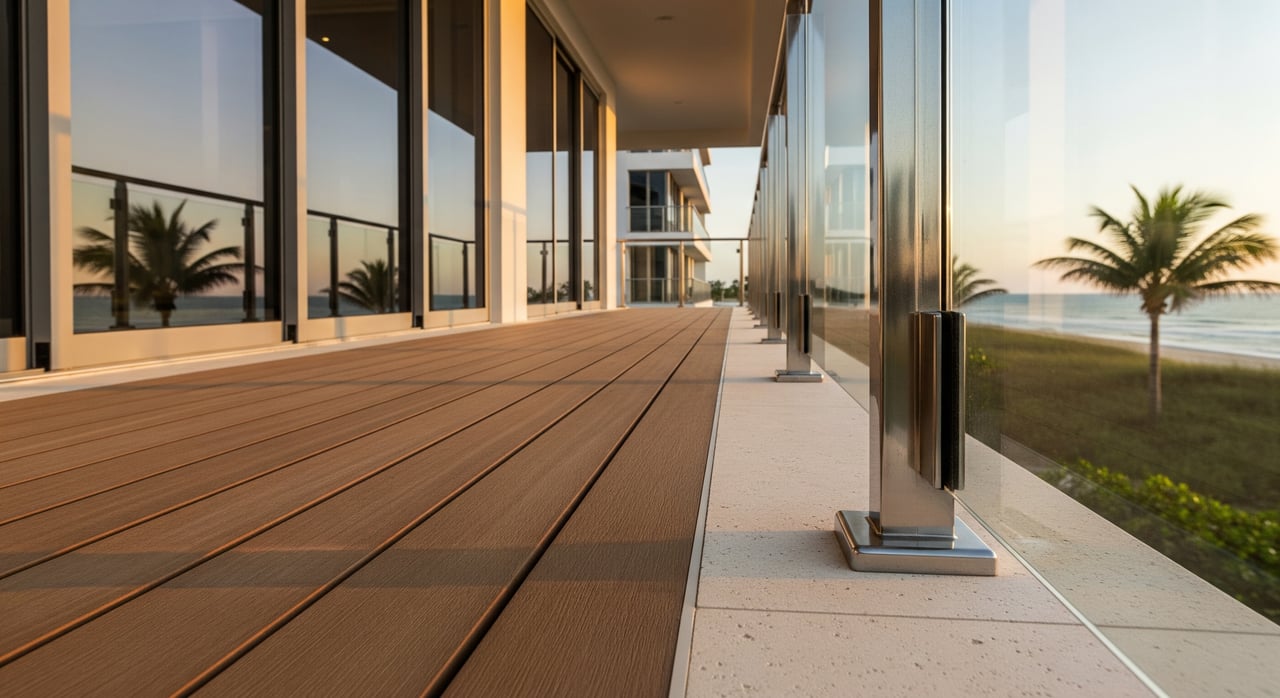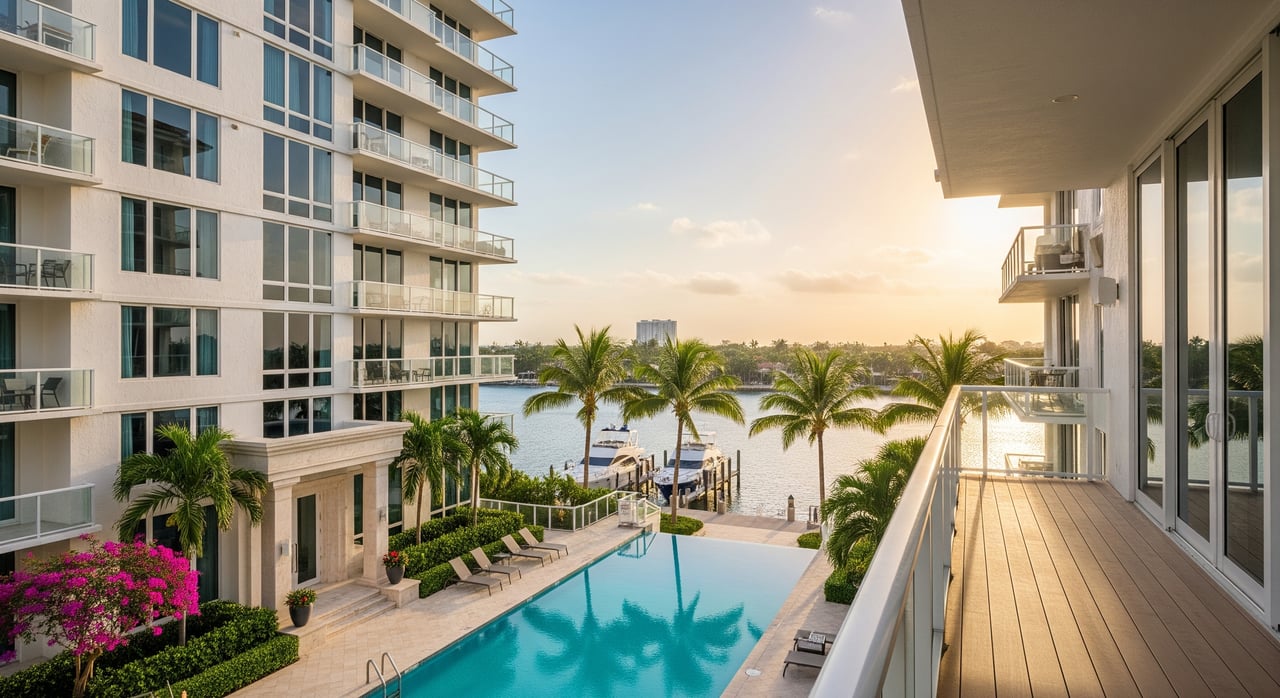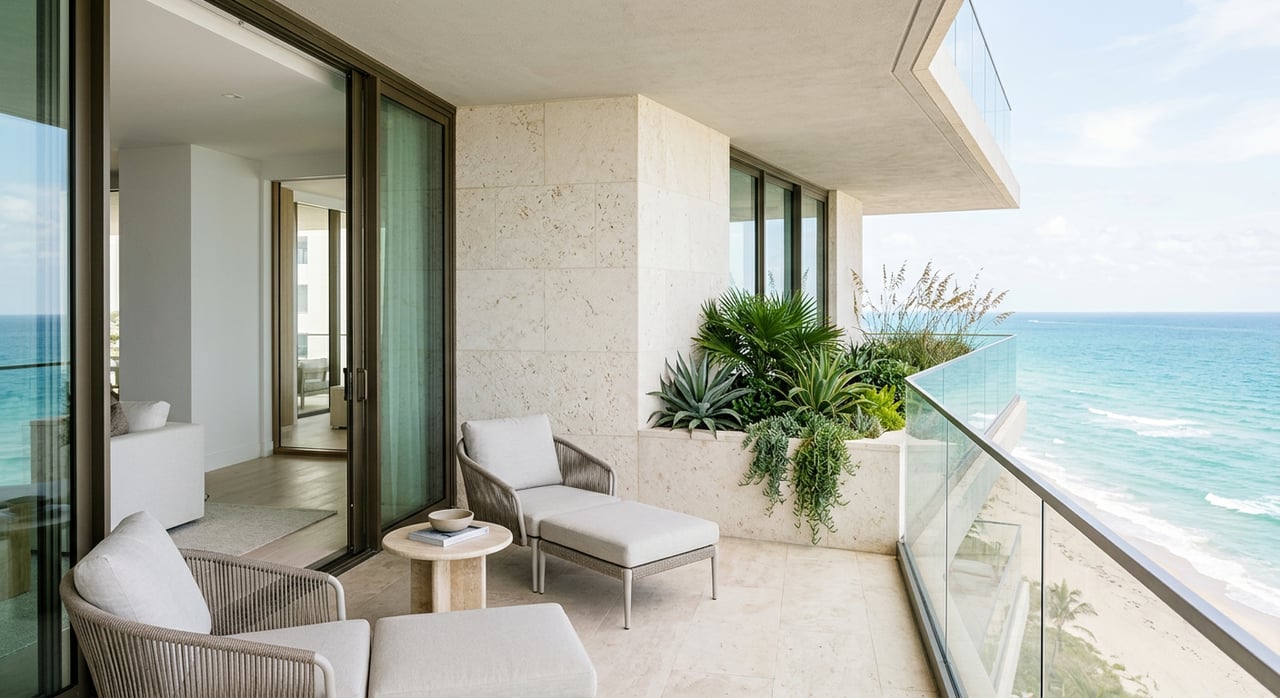
If you picture waking up to the Atlantic and stepping onto the sand within minutes, you are in the right place. Oceanfront condo living around Jupiter Island offers privacy and natural beauty, but it also brings specific rules, costs, and trade-offs you should understand. In this guide, you will learn where “Jupiter Island” condos are actually located, what amenities to expect, how safety and insurance rules affect ownership, and what to check before you bid. Let’s dive in.
Jupiter Island condo reality
The Town of Jupiter Island is intentionally low density and centered on single-family estates. The Town’s comprehensive plan prioritizes single-family housing and limits multi-family uses, which makes new condominium development inside the Town unlikely. You should think of the Town as an estate market rather than a condo market. Review the Town’s land use guidance to understand this framework in detail in the comprehensive plan excerpts.
Where the condos actually are
Many properties marketed as “Jupiter Island condos” sit in adjacent municipalities along Beach Road, commonly in Tequesta or parts of Palm Beach County. Listings may use “Jupiter Island” to describe the barrier island lifestyle rather than the Town’s municipal limits. Before you assume anything about taxes, permitting, school districts, or services, verify the municipality and county for the exact parcel.
- Confirm jurisdiction with the parcel record via the Martin County Property Appraiser. This step helps you avoid surprises on tax rates, permitting authority, and emergency services.
- Expect many oceanfront condos to be mid-rise buildings on or near Beach Road. Examples often cited in the market include Ocean Towers and Tequesta Towers. These are useful for understanding age and amenity patterns, even when the municipal address is Tequesta.
Building styles and amenities
Around the island, you will encounter two broad building profiles that shape daily life and ownership costs.
Mid-century concrete towers
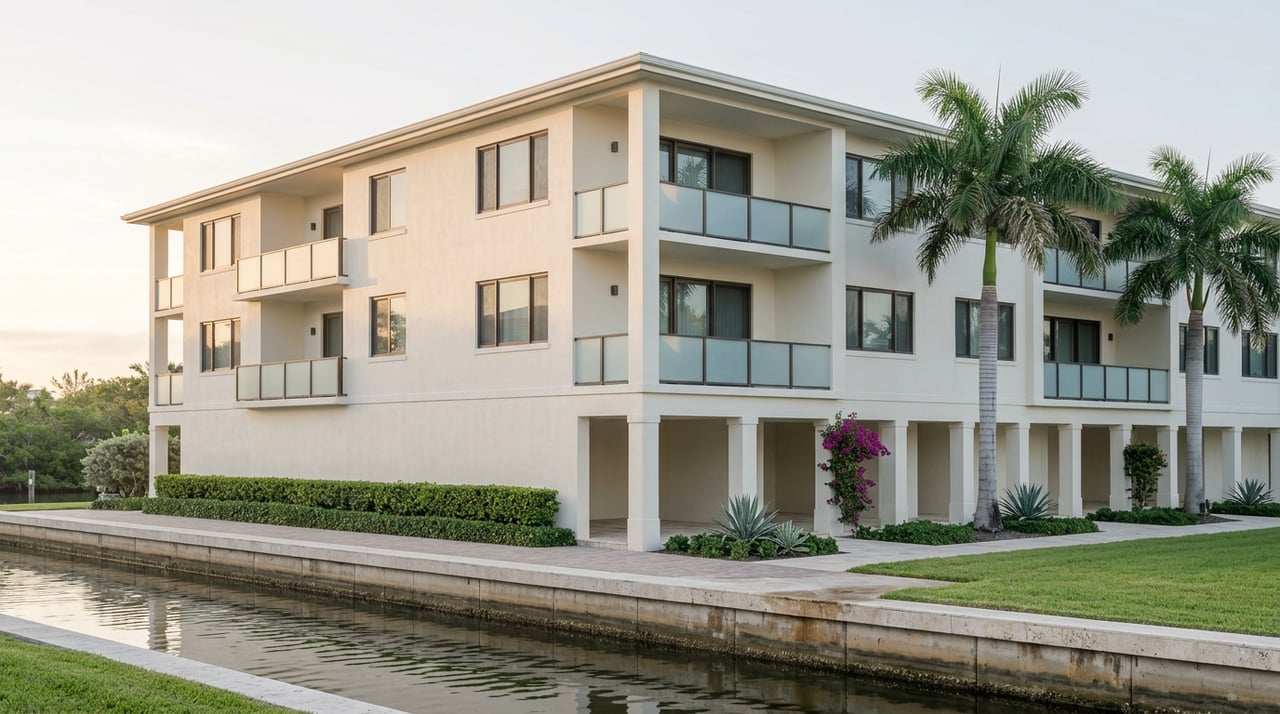
Many oceanfront buildings date to the 1970s and early 1980s. These are typically low- to mid-rise concrete structures with wraparound balconies, smaller HOA footprints, and direct beach access. Over time, they tend to cycle through window, balcony, and exterior maintenance projects that affect reserves and potential assessments. The presence of impact-rated windows or enforced shutter systems is increasingly common and can influence insurance costs. See the Town’s flood and coastal guidance for context on resilience features and permitting near the beach.
Boutique and newer luxury condos
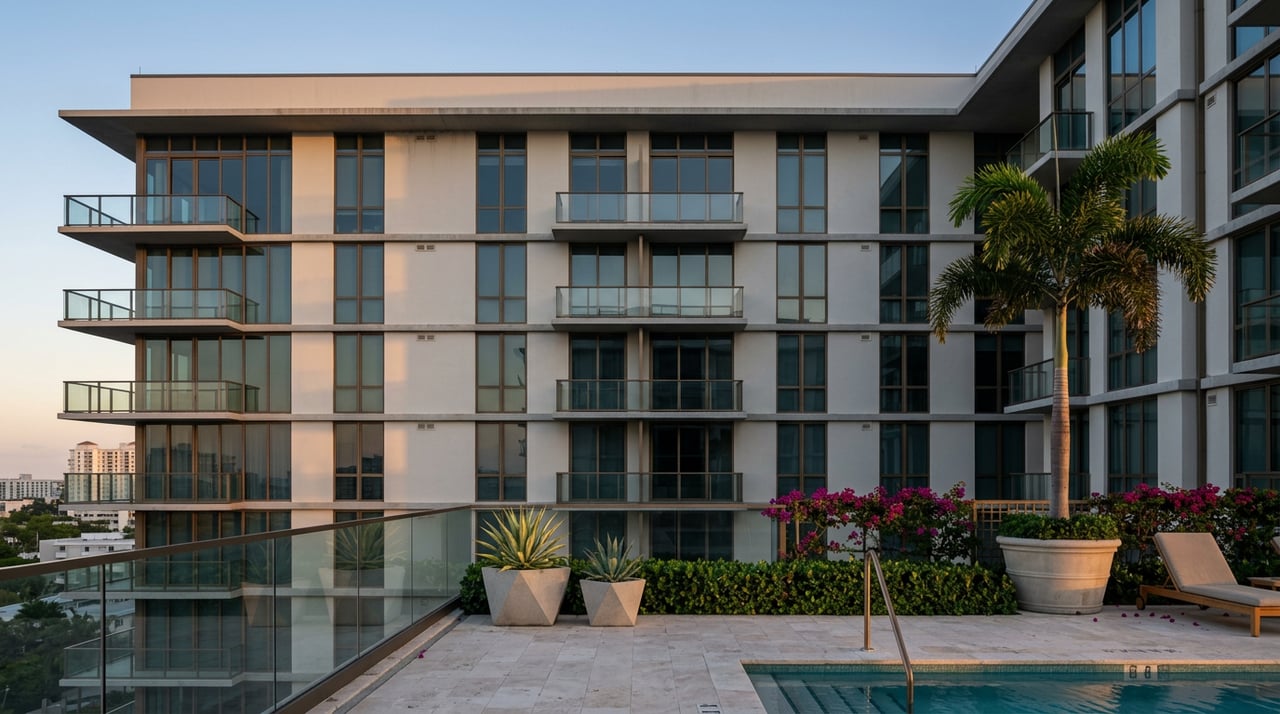
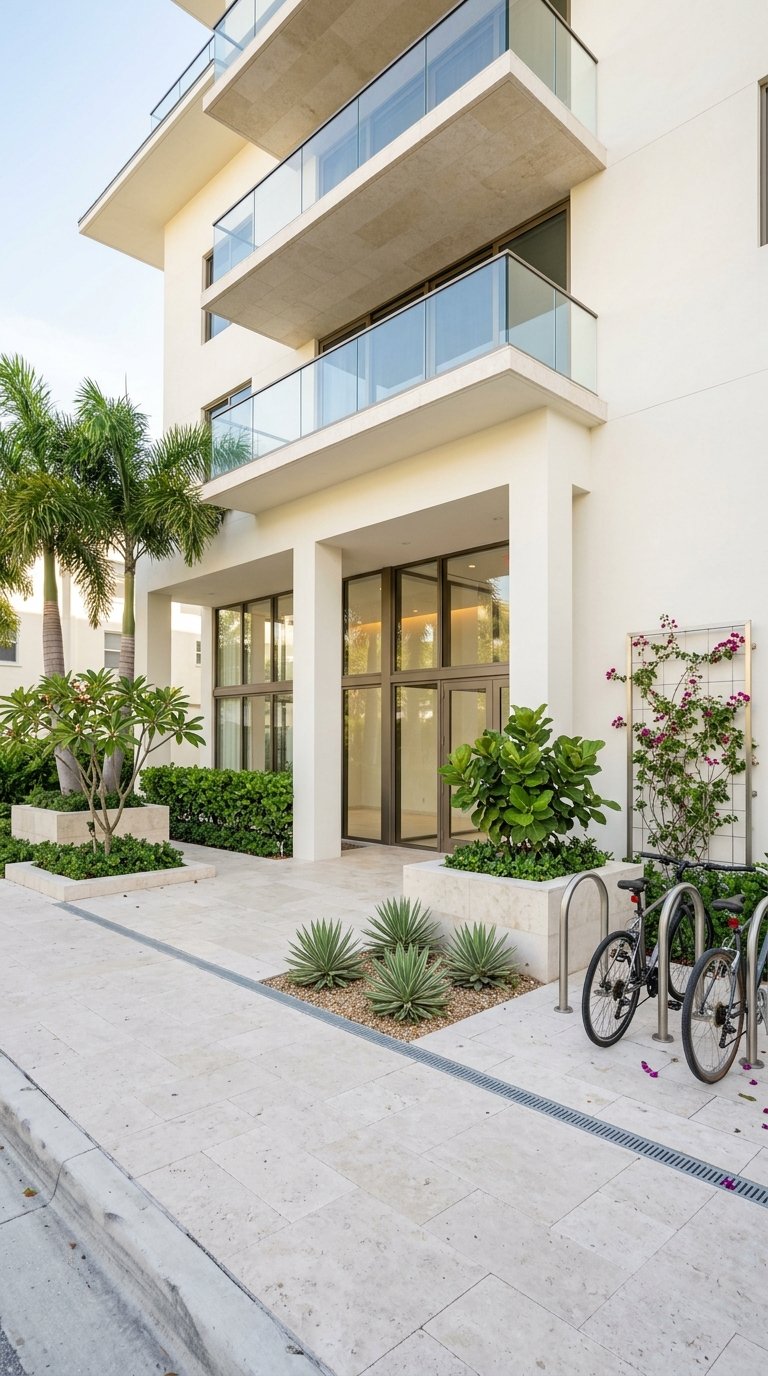
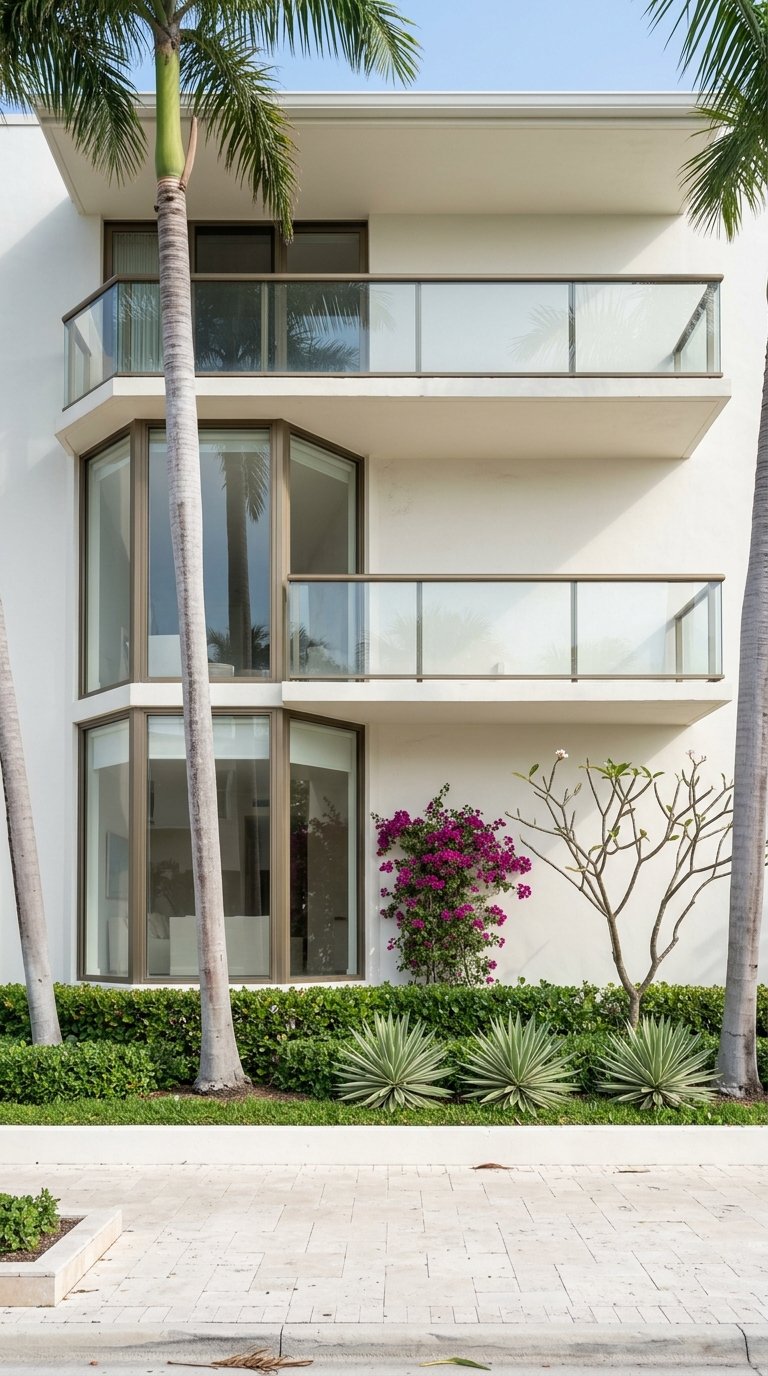
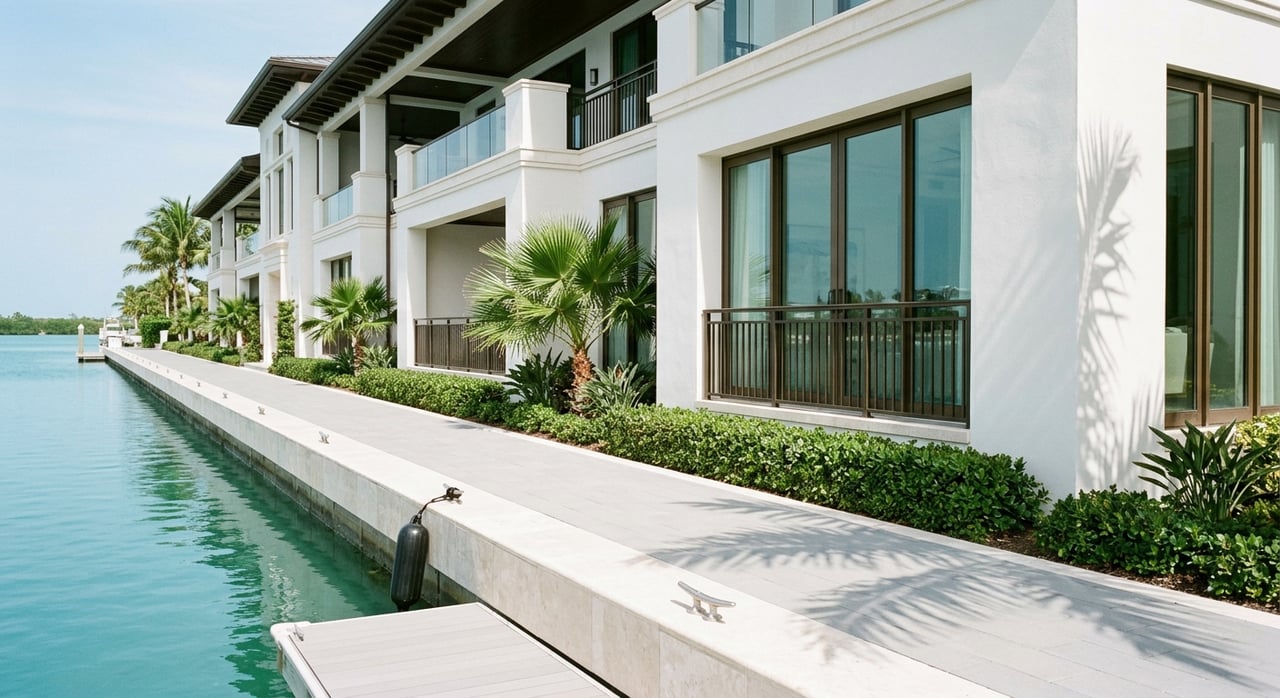
Newer or fully renovated boutique buildings usually offer larger floor plans, private elevators, higher finishes, and a more service-forward experience. HOA fees are often higher due to enhanced amenities and smaller owner bases. Expect features like fitness rooms, owner storage, covered parking, and staffed management in the upper tier. Resilience features such as elevated mechanicals and standby generators for common systems are becoming more standard and can be a differentiator when you evaluate insurance and comfort during storm season.
Safety, inspections, and insurance essentials
Florida has strengthened building safety and reserve requirements in recent years, and flood insurance pricing now reflects property-specific risk. These two areas can meaningfully affect your monthly budget and your financing strategy.
Milestone inspections and reserves
Florida’s post Surfside rules require milestone structural inspections for condo and cooperative buildings that are three stories or higher. The first inspection occurs at 30 years after initial occupancy, or at 25 years if the building is within three miles of the coast, then every 10 years. Associations must also complete structural integrity reserve studies and disclose results. Read the state’s summary of the law in the Florida Realtors SB 4 D overview and the staff analysis in the legislative analysis.
What this means for you: older coastal buildings are more likely to face near-term engineering projects and potential special assessments. Always review the latest inspection reports, reserve study, and board plans for funding any identified work.
Flood insurance under Risk Rating 2.0
FEMA’s Risk Rating 2.0 moved National Flood Insurance Program pricing toward property-specific risk factors such as distance to water, elevation, foundation type, number of stories, and replacement cost. Two units in the same building can price differently. An elevation certificate and documented mitigation can still help. For details, review FEMA’s guidance in the NFIP Flood Insurance Manual.
Coastal permitting and dune protection
On-island coastal work follows Town-level rules that prioritize dune protection and careful permitting. This affects projects such as dune restoration and seawalls. It also ties into the Town’s Beach Protection District and the broader floodplain development framework. If you plan exterior work or improvements near the beach, start by reviewing the Town’s flood and coastal information and be ready for additional steps and timing.
Short-term rentals and permits
If you intend to rent your condo seasonally or short term, do not assume it is allowed. The Town has adopted a permitting and standards framework for vacation and short-term rentals, including registration, inspection, insurance minimums, occupancy rules, and enforcement. Confirm a unit’s permit status and compliance, and confirm whether the property’s location falls under the Town or a neighboring jurisdiction. You can read the Town’s rules in Ordinance No. 402.
Privacy and daily living
Part of Jupiter Island’s appeal is how quiet it feels. Town policies intentionally limit new public beach parking and emphasize preservation of the coastal environment. This keeps the shoreline less crowded and more serene, but it also means fewer on-island services. Most residents rely on the mainland for routine shopping, restaurants, and cultural venues. The Town’s Community Profile outlines limited local utilities and services on the island.
For hospitals and specialty care, the nearest major options are on the mainland, including Jupiter Medical Center in Palm Beach County and Cleveland Clinic Martin Health in Martin County. Plan travel times accordingly, especially during the winter season when traffic increases.
Buyer due diligence checklist
Use this simple, practical list before you make an offer on any oceanfront condo marketed as “Jupiter Island.”
- Confirm the municipality and county. Verify whether the address is inside the Town of Jupiter Island, in Tequesta, or in Palm Beach County. Use the parcel record via the Martin County Property Appraiser for Martin County properties. Jurisdiction affects taxes, permitting, and enforcement.
- Get association documents and financials. Request the declaration, bylaws, the last three years of meeting minutes, current and prior budgets, the latest reserve study, and the most recent audited financials. Use these to identify planned capital projects and the likelihood of special assessments. Review the state’s requirements summarized in the SB 4 D overview.
- Verify milestone inspection status. If the building is three stories or more, confirm whether a milestone inspection has been completed or is due under the 25 or 30 year rule. Ask for any Phase 2 engineer reports and how the association plans to fund repairs. The legislative analysis outlines the schedule and scope.
- Check flood and wind insurance. Obtain current premium amounts and quotes for the building and unit. Ask if an elevation certificate exists and what mitigation features are present, such as impact glass or elevated utilities. Pricing is property specific under Risk Rating 2.0.
- Confirm short-term rental rules. If rental income is part of your plan, verify whether the unit and property have the required Town permits and meet operational standards. Review the Town’s short-term rental ordinance and check any association restrictions.
- Clarify access and on-site logistics. Ask about assigned parking, owner storage, visitor parking policies, bike and beach storage, and whether you have deeded or direct beach access. The Town’s comprehensive plan explains how public parking and access are limited by policy, which is part of the privacy trade-off.
- Understand local services. Confirm water and wastewater providers and seasonal staffing norms. The Town uses South Martin Regional Utility for island services and relies on mainland support for most cultural and medical needs. See the Community Profile for a baseline and confirm details with the association and local providers.
Bringing it all together
If you want a low-key coastal setting with easy beach access, the Jupiter Island area delivers. The key is to align your expectations with how the island and its neighbors work. Most oceanfront condos marketed under the “Jupiter Island” umbrella sit in adjacent jurisdictions, so verifying the exact parcel, reviewing building safety and reserves, and pricing out flood and wind insurance are essential steps. With a clear plan and the right guidance, you can enjoy the oceanfront lifestyle with confidence.
If you would like an experienced partner to help you evaluate buildings, read the fine print, and negotiate with clarity, connect with Palm Beach Residential Properties. You will work directly with a seasoned broker who understands coastal associations, inspection reports, and the realities of oceanfront ownership, and who will make the process calm and predictable.
FAQs
Are there oceanfront condos inside the Town of Jupiter Island?
- The Town’s comprehensive plan focuses on single-family estates and allows very limited multi-family uses, so most condos marketed as “Jupiter Island” are actually in neighboring jurisdictions; always confirm parcel jurisdiction in county records.
How do milestone inspections affect older coastal buildings?
- Florida’s law requires structural milestone inspections at 30 years, or 25 years if within three miles of the coast, then every 10 years; review the reports, reserve study, and any funding plans before you buy.
What should I know about flood insurance costs?
- Under FEMA’s Risk Rating 2.0, premiums are property specific and depend on factors like elevation, distance to water, and replacement cost; ask for quotes, an elevation certificate, and mitigation details.
Can I short-term rent my oceanfront condo near Jupiter Island?
- It depends on the unit’s municipality and compliance status; the Town requires permits, inspections, and insurance for vacation rentals, and associations may have additional restrictions.
Why does the exact municipality and county matter for a “Jupiter Island” condo?
- Jurisdiction determines tax rates, permitting authority, and enforcement, and can affect rules on short-term rentals and public access, so verifying the parcel avoids surprises.
How convenient is daily life on Jupiter Island?
- The island prioritizes privacy and preservation with limited public beach parking and few commercial services, so you will use mainland shopping and healthcare, including nearby hospitals like Jupiter Medical Center.