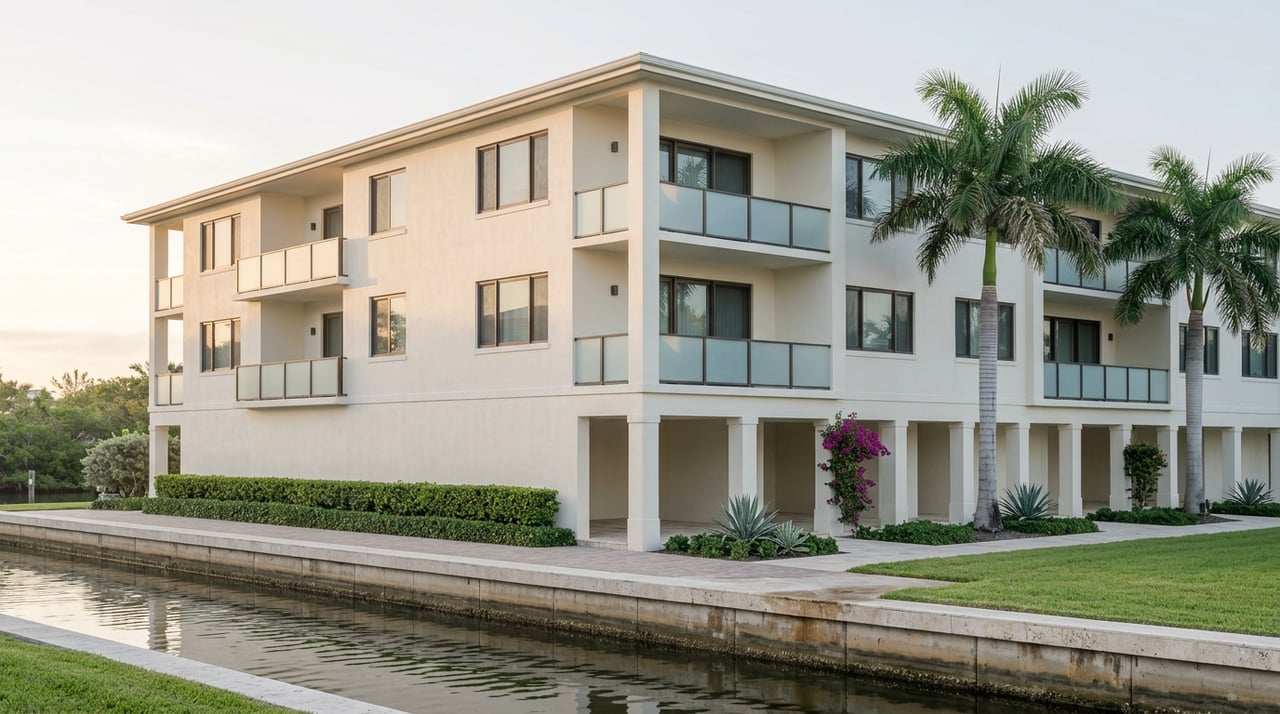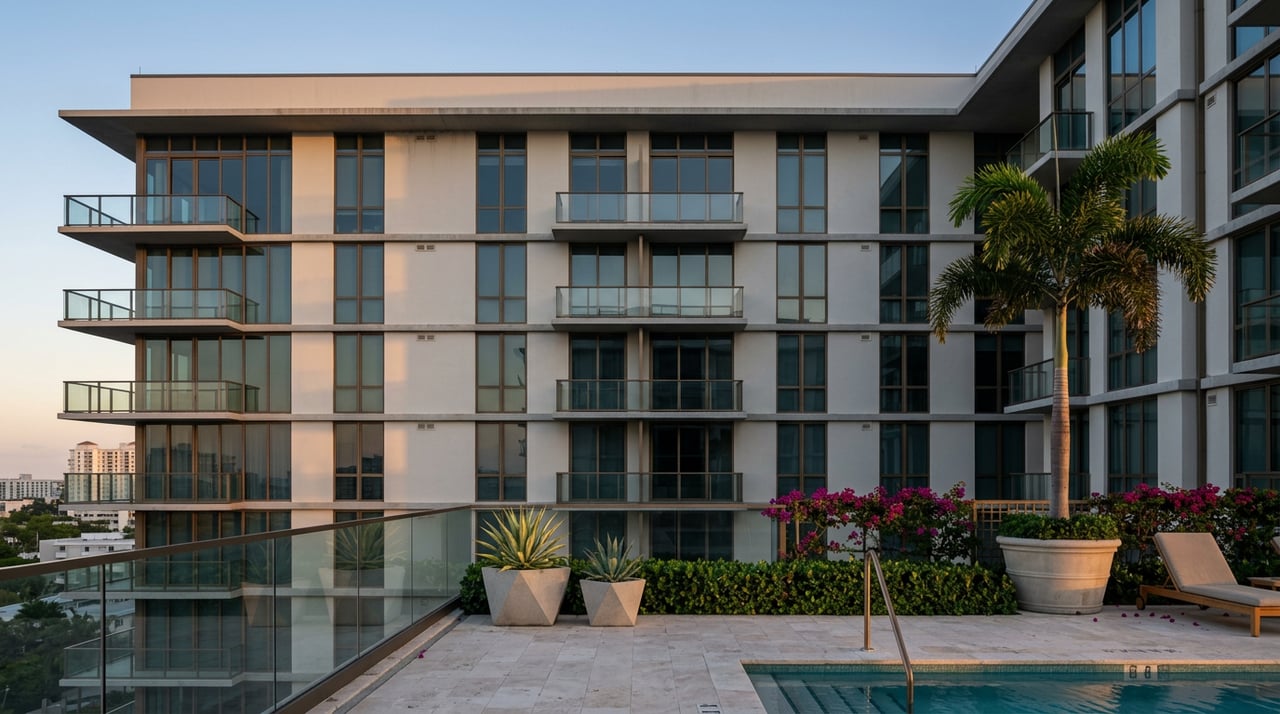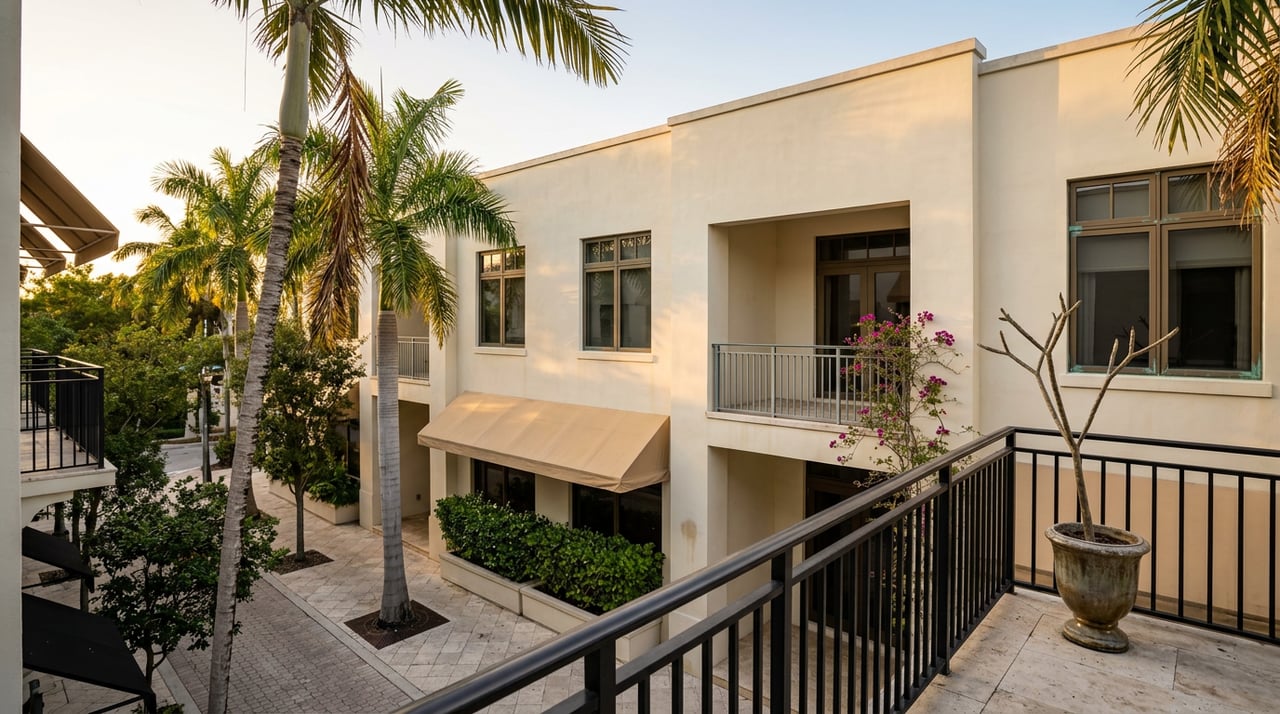
Selling a condo from another city can feel like trying to manage a moving train by phone. If your property is in downtown West Palm Beach, the process can be even more detailed because condo sales often depend on association documents, building access, and timing that have little to do with a typical house sale. The good news is that with the right preparation and a local point person, you can keep your sale organized, compliant, and far less stressful. Let’s dive in.
Why downtown condo sales are different
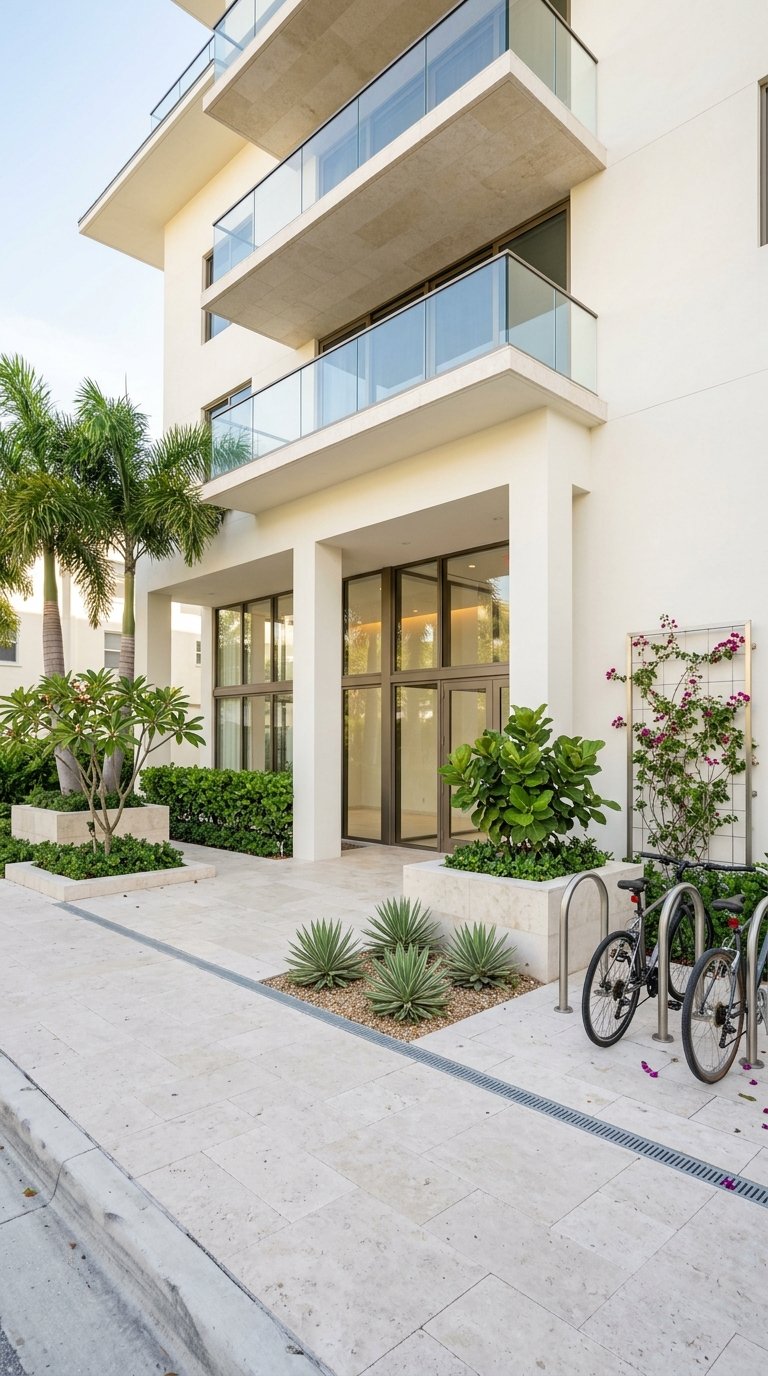
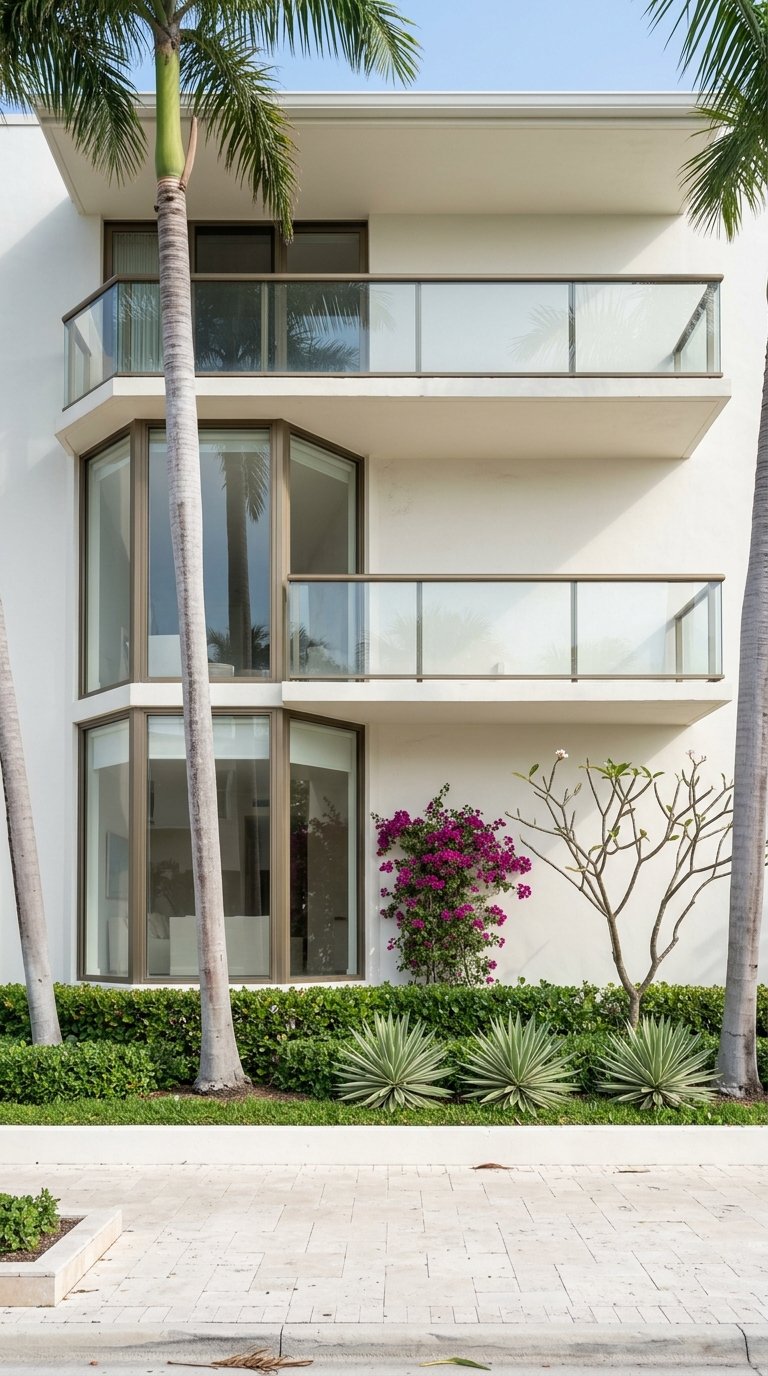
Downtown West Palm Beach is a dense, condo-centered market, not a suburban neighborhood of mostly single-family homes. The city’s Downtown Master Plan Update notes that the downtown core has nearly 9,000 residential units, and many of those are in high-rise and mixed-use buildings.
That matters when you are selling from out of town. In a downtown condo sale, the building association often plays a central role in records, access, approvals, and timelines. Your buyer is not only evaluating your unit, but also the building’s financials, rules, and current condition.
Gather condo documents early
One of the biggest mistakes remote sellers make is waiting until they have a contract before pulling documents. In Florida, condo resale rules require a nondeveloper seller to provide a buyer with key association materials, including the declaration, articles of incorporation, bylaws and rules, annual financial statement, annual budget, and condominium FAQ sheet, according to Florida Statute 718.503.
If applicable, you also need to provide the milestone inspection summary, structural integrity reserve study, and any turnover inspection report. These are not minor add-ons. They can directly affect a buyer’s comfort level and contract timing.
Florida resale contracts also include cancellation periods tied to delivery of these materials. That means delays in assembling the package can create avoidable uncertainty after you go under contract.
Use the association’s digital records
If you live outside South Florida, you may worry that gathering all this paperwork will require multiple trips back to the building. In many cases, it will not. Under Florida Statute 718.111, associations must maintain official records, and associations with 25 or more units must post many current records online.
That can include governing documents, budgets, financial information, minutes, contracts, and certain inspection reports, with protected information removed. For an out-of-town owner, this can make the prep phase much more manageable because much of the due diligence file may be available electronically.
Focus on building condition upfront
Buyers in condo buildings are paying close attention to more than finishes and views. In older towers, they are often asking about milestone inspections, reserve studies, pending repairs, and special assessments before they feel comfortable moving forward.
Under Florida law on milestone inspections, certain condominium and cooperative buildings that are three habitable stories or more must complete inspections at specific age intervals. The law also requires structural integrity reserve studies on a set schedule for qualifying residential condo buildings.
If your downtown West Palm Beach condo is in an older building, this issue may be part of nearly every serious conversation. The more clearly you can explain the building’s current status, the easier it is to reduce surprises during negotiations.
Choose one local point person
When you are not local, too many voices can create delays. A condo sale may involve building management, cleaners, photographers, stagers, repair vendors, the title company, and buyers who need access on short notice. Without one person coordinating those details, simple tasks can start to pile up.
A local listing broker can help serve as that single point of contact. In an association-driven sale, that kind of oversight can be especially valuable because the process often depends on timing, communication, and building-specific procedures.
Plan access before the listing goes live
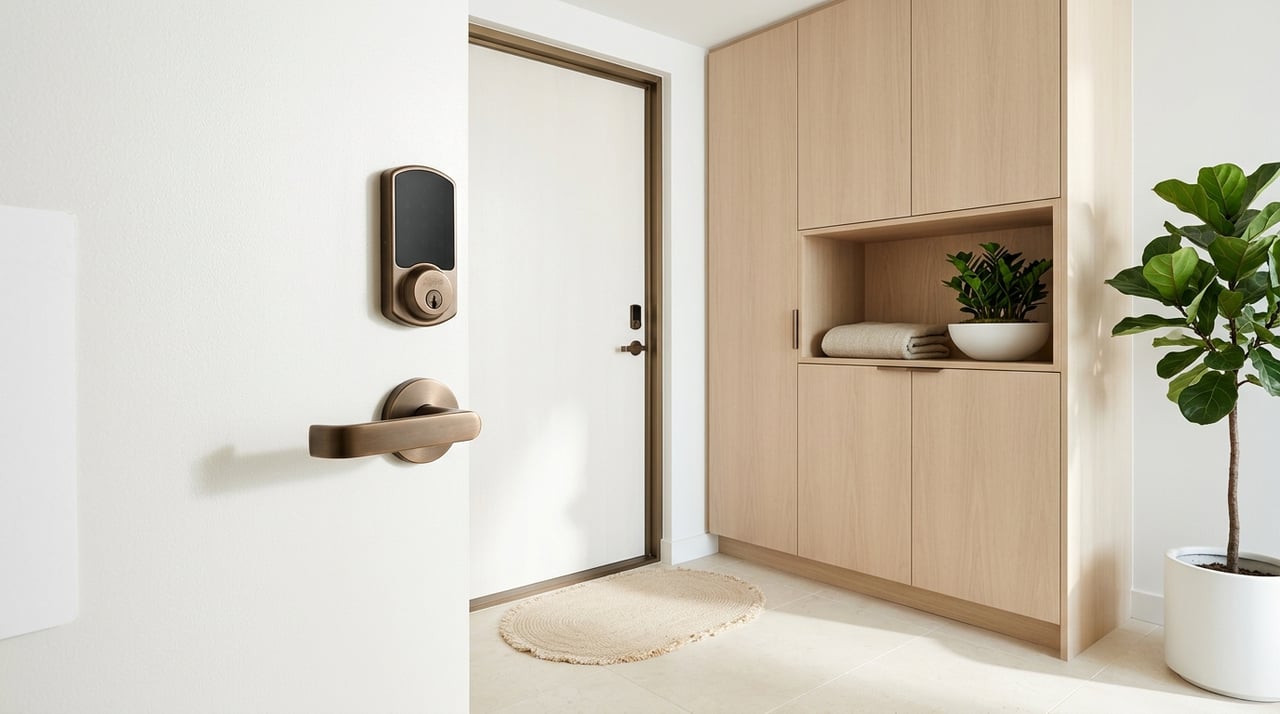
Showing logistics can be easy or complicated depending on your building. Some condominiums require advance notice, guest registration, elevator reservations, or coordination with front desk or management staff. If your unit is vacant, you also need a plan for keys, lock access, and vendor entry.
That is why access planning should happen before photography and marketing begin. When showings are easy to confirm and the unit is ready for each visit, buyers can focus on the property instead of the friction involved in seeing it.
Keep the estoppel certificate on your radar
Many out-of-town sellers do not think about the estoppel certificate until the last minute, but it can have a major effect on your closing timeline. Under Florida Statute 718.116, the association must issue the estoppel within 10 business days of a written or electronic request.
The estoppel can disclose regular assessments, other amounts due, open violations, transfer approval requirements, and whether the association has a right of first refusal. For a remote seller, this document is often one of the final items that confirms whether the transaction is truly ready to close.
Because the certificate is only effective for a limited period, timing matters. Ordering it too early or too late can create unnecessary complications.
Can you close without returning to Florida?
Often, yes. Florida allows remote online notarization under Florida Statute 117, which means a principal can appear by audio-video communication if statutory requirements are met.
That can make signing much easier if you live in another state or are traveling. On top of that, Palm Beach County offers eRecording through its official records system, which helps streamline the recording process without an in-person courthouse visit.
Of course, the title company, document package, and any lender requirements must all line up. Still, for many sellers, this makes a fully remote closing realistic.
A simple remote seller checklist
If you want your downtown West Palm Beach condo sale to move smoothly, start with the basics:
- Gather governing documents, financials, rules, and the condo FAQ sheet
- Confirm whether milestone inspection or reserve study materials apply to your building
- Review any known assessments, repair projects, or open building issues
- Set up a clear access plan for showings, inspections, and vendors
- Choose one local contact to coordinate communication
- Request the estoppel certificate at the right point in the transaction
- Confirm that remote signing and closing logistics are available early
What matters most for out-of-town sellers
When you are selling from afar, the biggest advantage is preparation. Downtown West Palm Beach condo sales involve more moving parts than many owners expect, and those moving parts are usually tied to the association, the building, and the closing timeline.
If you prepare the document package early, stay ahead of building questions, and put a trusted local professional in charge of day-to-day logistics, you can reduce stress and keep the process on track. If you are planning to sell a downtown condo and want calm, hands-on guidance from a boutique brokerage that understands condo transactions, connect with Palm Beach Residential Properties.
FAQs
What documents do you need to sell a downtown West Palm Beach condo from out of town?
- You generally need the condo governing documents, annual financial statement, annual budget, rules, FAQ sheet, and if applicable, milestone inspection summary, structural integrity reserve study, and other required resale materials.
Can you close on a West Palm Beach condo sale without flying back to Florida?
- Often yes. Florida allows remote online notarization, and Palm Beach County supports eRecording, which can make an out-of-town closing much easier.
Why do buyers ask about reserve studies and inspections in West Palm Beach condo buildings?
- Buyers often want to understand the building’s physical condition, reserve planning, and any possible repair or assessment exposure, especially in older buildings that are three stories or taller.
What is an estoppel certificate in a Florida condo sale?
- It is an association document that can confirm assessments owed, open violations, transfer approval requirements, and other details that may affect closing.
Why is selling a downtown West Palm Beach condo different from selling a house?
- Downtown West Palm Beach has a large concentration of condo buildings, so association rules, document delivery, inspection status, and building access usually play a bigger role in the sale process.