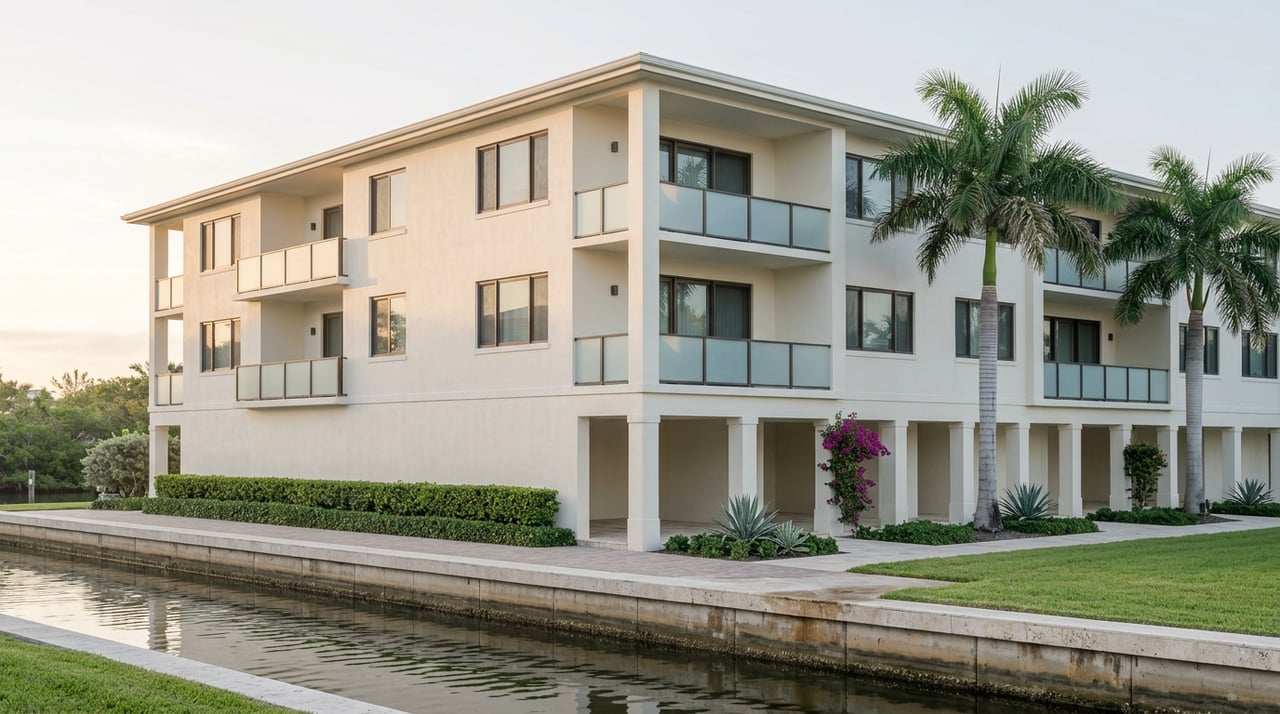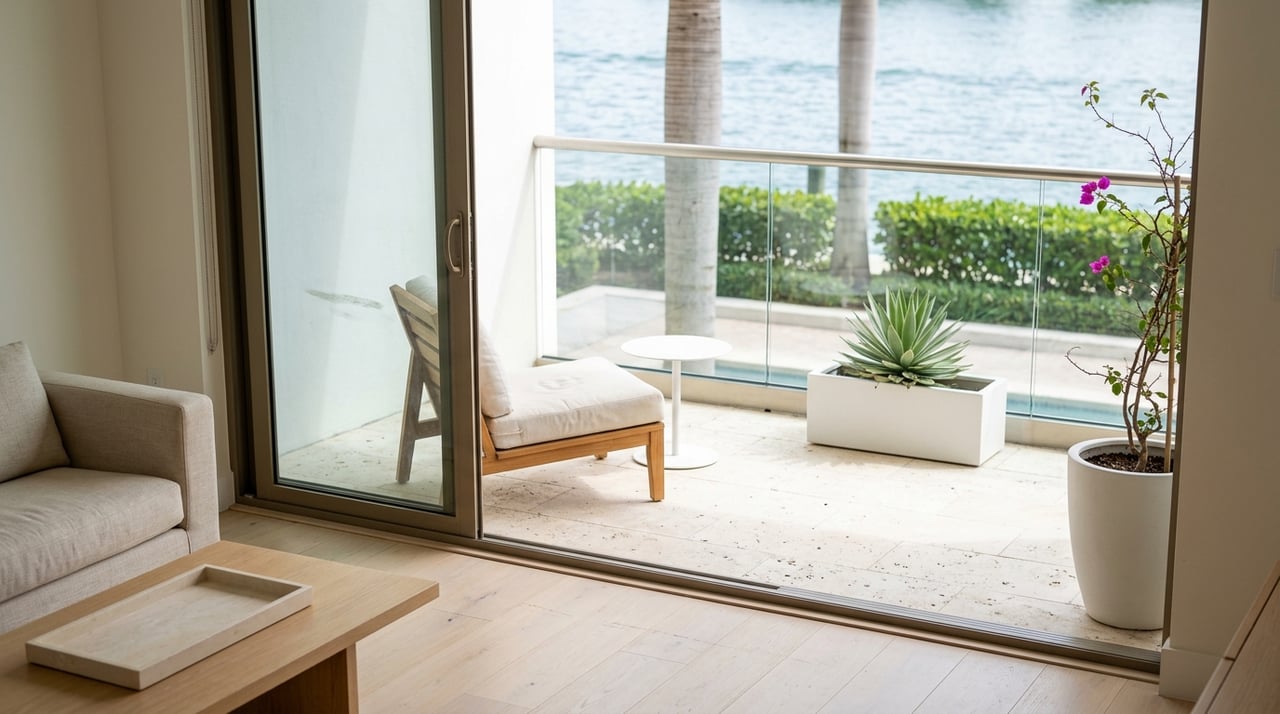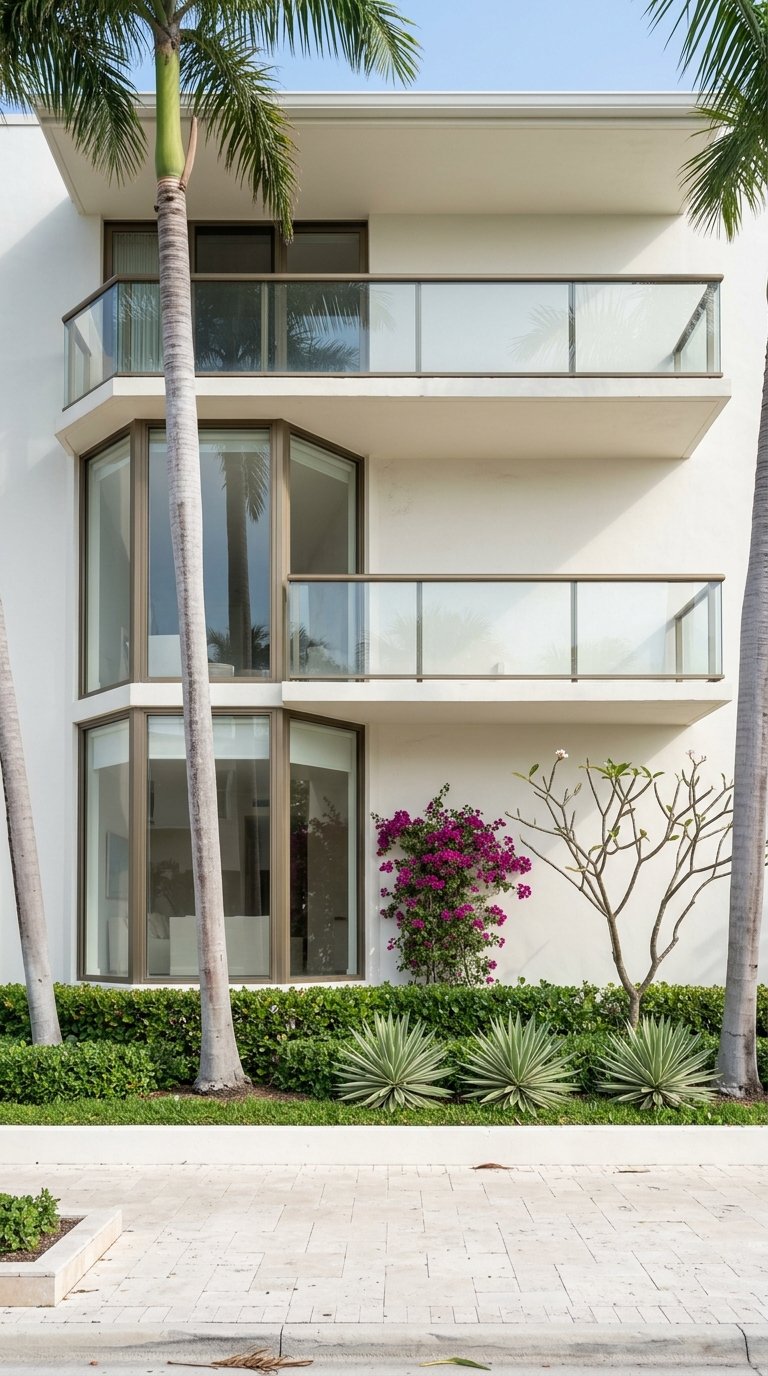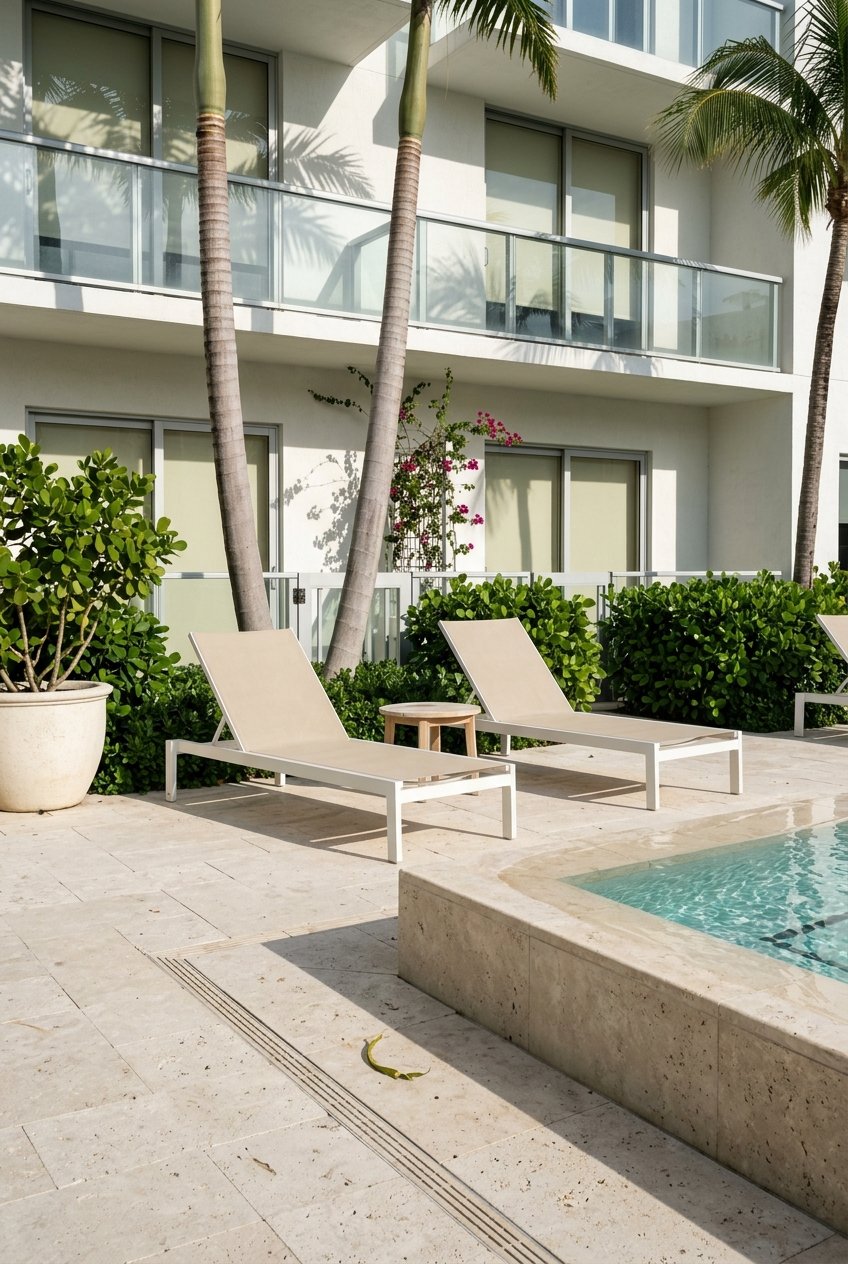
If you picture a seasonal home in Boca Raton, chances are the water is part of the dream. The right waterfront condo can give you easy lock-and-leave living, beautiful views, and a smoother routine when you come and go throughout the year. The challenge is that in Boca Raton, choosing well means looking beyond the view and focusing on access, building operations, flood exposure, and condo documents. Let’s dive in.
Why Boca Raton Waterfront Living Stands Out
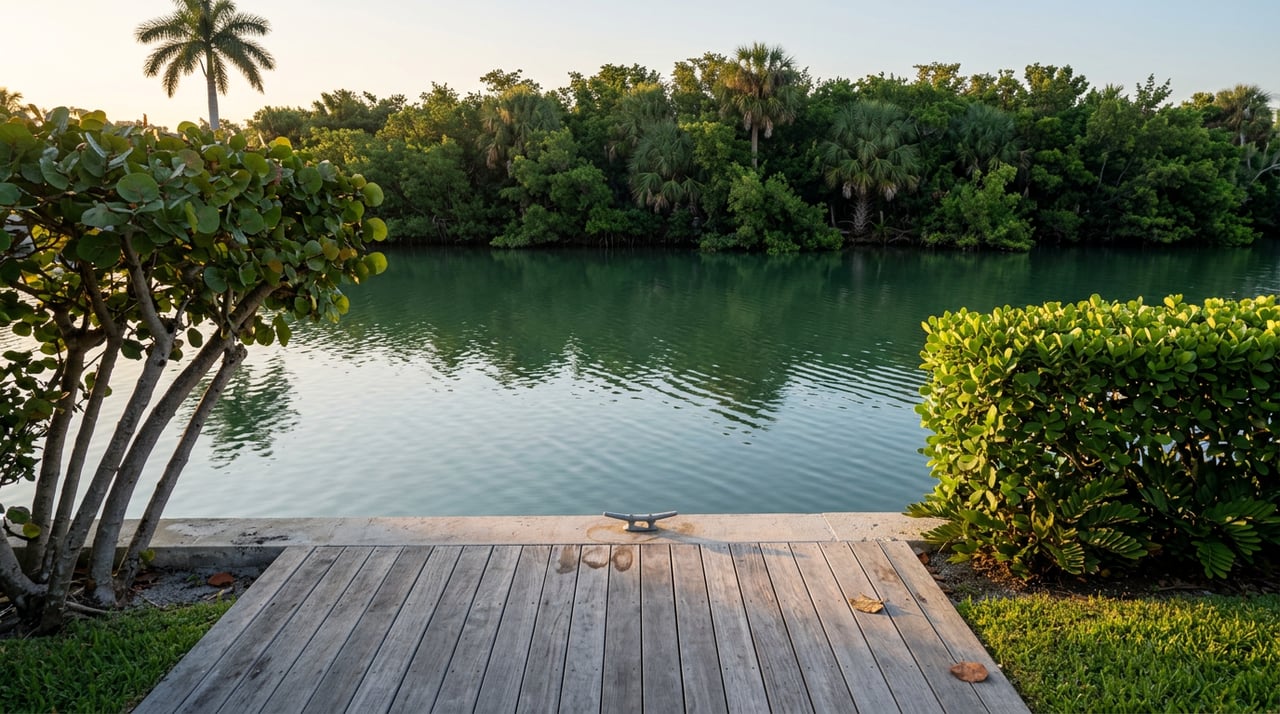
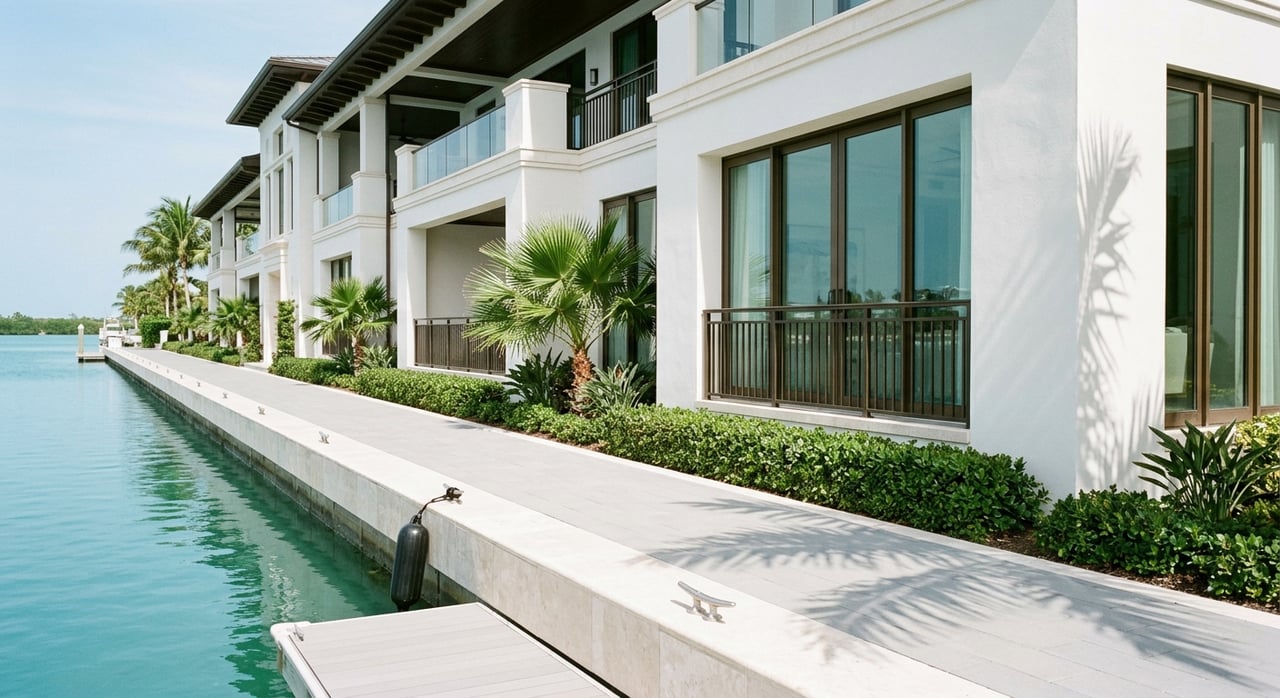
Boca Raton’s waterfront setting is a major part of its appeal. The city highlights oceanfront beaches, parks along the Intracoastal Waterway, and a network of canals and waterways that shape daily life near the water.
The city also reports 77.18 miles of canals and lakes, along with four drawbridges across the Intracoastal and inlet system. For you as a seasonal buyer, that means location is not just about scenery. It is also about how easily you can move between your building, downtown errands, the inlet, and the water.
Wildflower Park adds another useful point of reference. Because it fronts the Intracoastal near downtown, it reinforces why the downtown and Palmetto Park waterfront area can be especially practical for buyers who want both water access and easier day-to-day use.
Start With Your Seasonal Lifestyle
Before you compare buildings, get clear on how you plan to use the condo. A waterfront seasonal home works best when it fits your routines, not just your wish list.
Ask yourself a few simple questions:
- Do you want to walk to parks or waterfront public spaces during your stay?
- Will you keep a boat, kayak, or paddleboard nearby?
- Do you need a building that is easy to secure when you leave for months at a time?
- Will guests visit often?
- Do you expect to rent the unit at any point, subject to association rules?
Your answers will help narrow the right part of Boca Raton and the right type of condo building. A beautiful unit can still be the wrong fit if the building does not support the way you actually live.
Focus on Water Access, Not Just Water Views
A view is wonderful, but access often matters more in a seasonal property. In Boca Raton, marina convenience is more dispersed than some buyers expect.
The city states that there are no commercial marinas within city limits. Marinas north and south of Boca provide fuel, repairs, food, storage, and dockage, which means you may need to think regionally if boating is part of your lifestyle.
The city’s only motorized public boat ramp is at Silver Palm Park on East Palmetto Park Road. It offers direct access to Lake Boca Raton, the Boca Raton Inlet, and the Atlantic Ocean, which can be an important advantage depending on where your condo is located.
For non-motorized use, the city also has launching facilities at Spanish River Park and James Rutherford Park. If your seasonal routine includes paddleboards or kayaks, that detail can matter more than a formal marina amenity.
Questions to Ask About Boating Access
If a building offers slips or dock access, ask for specifics early. You want clear answers before you get too far into a shortlist.
- Are slips deeded, assigned, leased, or not available?
- What length, beam, draft, or lift limits apply?
- Is there a dock master, washdown area, or pump-out service?
- How close are fuel, repairs, and dry storage?
- Are kayaks and paddleboards allowed or stored on site?
Understand Bridge Timing Before You Buy
In Boca Raton, bridge timing is part of real-world waterfront convenience. If you plan to boat, cross the Intracoastal often, or simply want predictable travel patterns, this deserves attention.
According to the city, the Palmetto Park Road and Spanish River Boulevard bridges open on the hour and half hour. Camino Real opens every 20 minutes, and the Boca Raton Inlet bridge opens on demand.
That may sound like a small detail, but it can affect your day in practical ways. For a seasonal owner, convenience often comes down to removing small frictions, and bridge schedules can be one of them.
Put Flood and Storm Due Diligence First
A waterfront condo in Boca Raton should always come with a careful look at flood exposure. The city says a large portion of Boca Raton lies in the Special Flood Hazard Area, and it encourages flood insurance even outside that zone.
The city also notes that new coastal flood insurance rate maps were adopted on December 20, 2024. FEMA flood maps remain the official source for flood hazard information, and lenders use them to determine insurance requirements.
This matters because Boca’s landscape is shaped by canals, lakes, the Intracoastal Waterway, and the Atlantic Ocean. In other words, flood and storm planning is not a side issue here. It is part of smart ownership.
What to Verify on Flood Risk
When reviewing a condo, make sure you understand:
- The property’s current flood zone
- Whether your lender will require flood insurance
- What the association’s master policy covers
- What your own policy would need to cover
- How the building handles storm prep and water shutoff procedures
A strong seasonal building should make these answers easy to understand. If the information is vague or incomplete, that is a sign to slow down.
Review Building Condition Carefully
Florida condo due diligence now requires a closer look at building condition, especially for coastal properties. If the building is three habitable stories or more, milestone inspections are generally required by the year the building turns 30 and every 10 years after that.
Local enforcement may require them at 25 years where salt-water proximity or other local conditions justify it. After the inspection, the association must distribute the summary to unit owners within 45 days and post or publish it.
There is also a reserve study requirement to know about. Owner-controlled associations existing on or before July 1, 2022 must complete a structural integrity reserve study by December 31, 2025 for each building three stories or higher, with limited coordination exceptions through December 31, 2026.
Ask These Building Questions Early
A pretty lobby should never distract you from the basics. Ask when these major components were last updated or repaired:
- Roofs
- Balconies
- Windows
- Elevators
- Plumbing stacks
- Garage waterproofing
Also ask whether there are current or pending special assessments and whether the milestone inspection or reserve study recommended follow-up work. These answers can affect both your budget and your comfort level.
Use Condo Documents to Shortlist Fast
For a seasonal buyer, condo documents are not just part of the closing process. They are one of the fastest ways to decide whether a building belongs on your serious list.
Florida resale contracts for condominiums must include the governing documents, the latest annual financial statement and budget, and the association’s frequently asked questions. When applicable, milestone inspection and reserve study materials must also be included.
The statute also gives buyers a 7-day cancellation right tied to timely receipt of the required disclosure package. That framework makes the records package essential when you are comparing buildings from out of town or trying to move efficiently.
What the Records Package Can Tell You
A strong records review can help you understand:
- Financial stability
- Repair planning
- Rules that affect seasonal use
- Communication quality from the association
- Whether the building feels proactive or reactive
Association official records are open to inspection at reasonable times. For a buyer, that makes it easier to confirm details instead of relying on assumptions.
Prioritize Lock-and-Leave Practicality
A seasonal condo should be easy to leave without worry. That means you need more than nice finishes. You need a building that supports simple, reliable ownership when you are away.
Look closely at management, staffing, and emergency procedures. Ask whether there is full-time front-desk or concierge coverage, whether there is an on-site manager, and how leaks, elevator outages, and after-hours emergencies are handled.
You should also ask how the building communicates with owners who are out of town for long stretches. A well-run condo should have a clear system for updates, access, deliveries, and service coordination.
Seasonal-Use Features Worth Asking About
These details can make everyday ownership much easier:
- Assigned storage for beach gear, luggage, bicycles, or golf clubs
- Whether storage is deeded, assigned, or waitlisted
- Guest parking or valet availability
- EV chargers or washdown areas
- Move-in, move-out, and contractor scheduling procedures
- Remote access for gates, elevators, or amenities
- Hurricane shutters or impact glass
- A clear process for checking the unit after storms or long absences
Know the Rules for Guests and Rentals
If you expect family and friends to visit, or if you may rent the unit in the future, review the association rules carefully. Seasonal buyers often discover too late that a building’s policies do not match their plans.
Ask about minimum lease terms, board approval requirements, background checks, lease caps, and any limits on guests or amenity use when the owner is absent. Also confirm whether short-term rentals or hotel-like use are prohibited.
Even if you do not plan to rent right away, these policies still matter. They shape how flexible the property will be over time.
A Smart Boca Raton Condo Checklist
When you compare waterfront condos in Boca Raton, keep your shortlist focused on the things that affect daily ownership most:
- Water access and nearby launch options
- Bridge timing and travel convenience
- Flood zone and insurance needs
- Milestone inspection and reserve study status
- Current or possible special assessments
- Management responsiveness and emergency procedures
- Storage, parking, and arrival logistics
- Guest and rental policies
- True lock-and-leave ease
For a seasonal home, the best condo is usually the one that feels simple to own, simple to leave, and simple to enjoy when you return.
Choosing a Boca Raton waterfront condo as a seasonal home is part lifestyle decision and part due diligence exercise. When you look past the view and study access, documents, building condition, and day-to-day usability, you put yourself in a much stronger position to buy with confidence. If you want thoughtful, concierge-level guidance on evaluating luxury condominium opportunities and making a smart seasonal purchase decision, connect with Palm Beach Residential Properties.
FAQs
What should you look for in a Boca Raton waterfront condo for seasonal living?
- Focus on water access, bridge timing, flood exposure, building condition, condo documents, guest policies, and how easy the building is to manage when you are away for months.
How important is flood insurance for a Boca Raton seasonal condo?
- It is very important to review because Boca Raton says a large portion of the city lies in the Special Flood Hazard Area, and the city encourages flood insurance even outside that zone.
What are milestone inspections for Boca Raton condo buildings?
- In Florida, milestone inspections apply to buildings that are three habitable stories or more, generally by age 30 and every 10 years after, with some earlier local enforcement possible in salt-water areas.
Why does bridge timing matter when buying a Boca Raton waterfront condo?
- Bridge schedules can affect boating access and everyday travel, especially near the Intracoastal, so they are part of the condo’s real convenience, not just a boating detail.
What documents should you review before buying a Boca Raton seasonal condo?
- Review the governing documents, latest budget and financial statement, FAQs, and any applicable milestone inspection and structural reserve study materials.
Can you rent out a Boca Raton seasonal condo later?
- Possibly, but it depends on the association’s rules, including minimum lease terms, approval requirements, rental caps, and restrictions on short-term or hotel-like use.