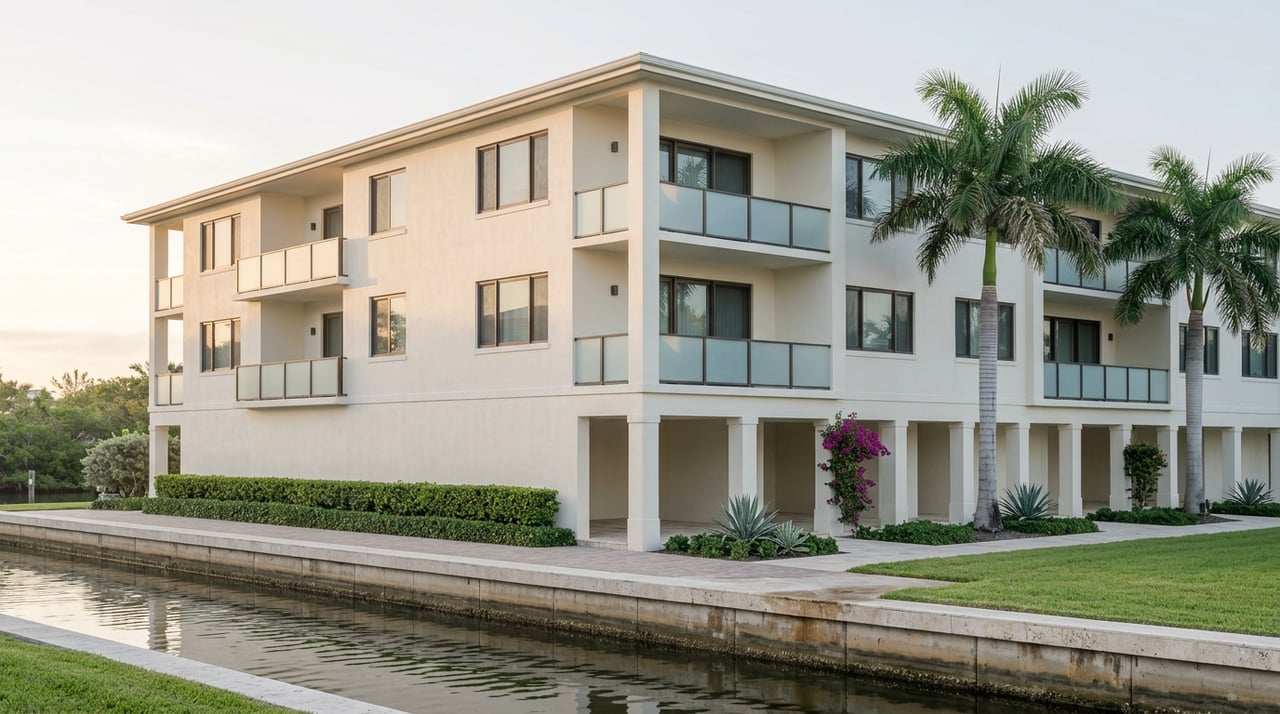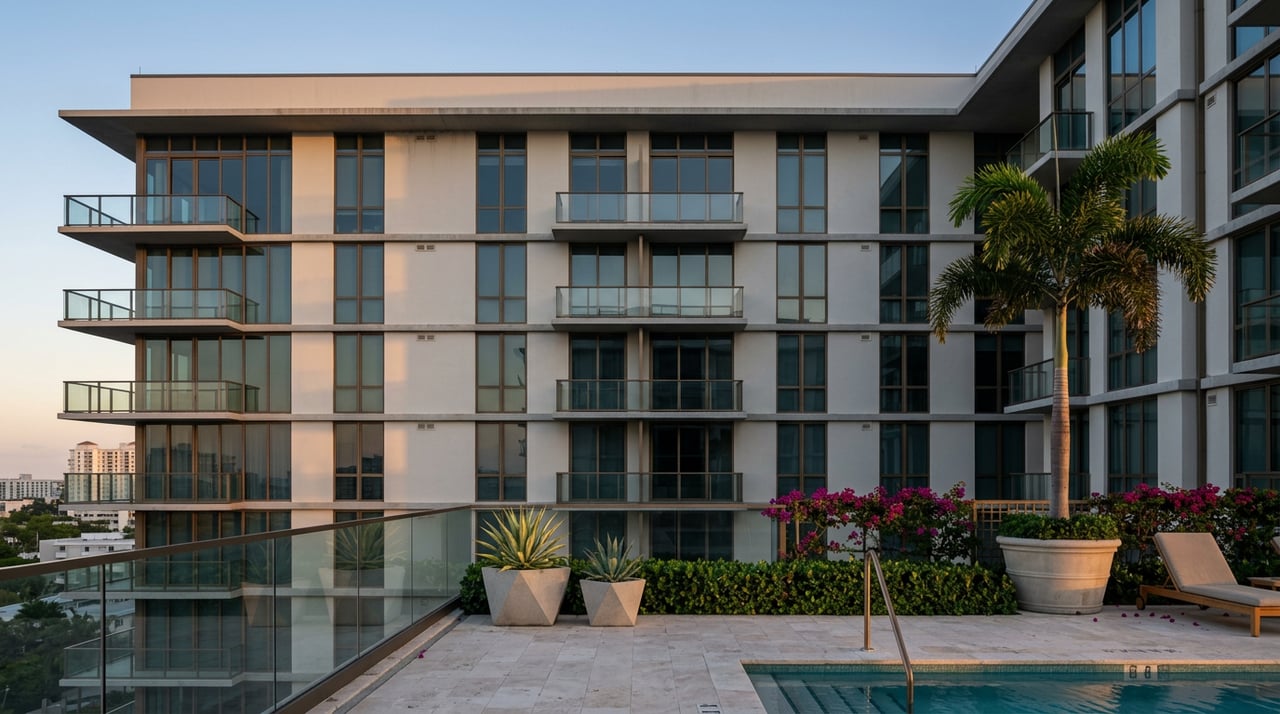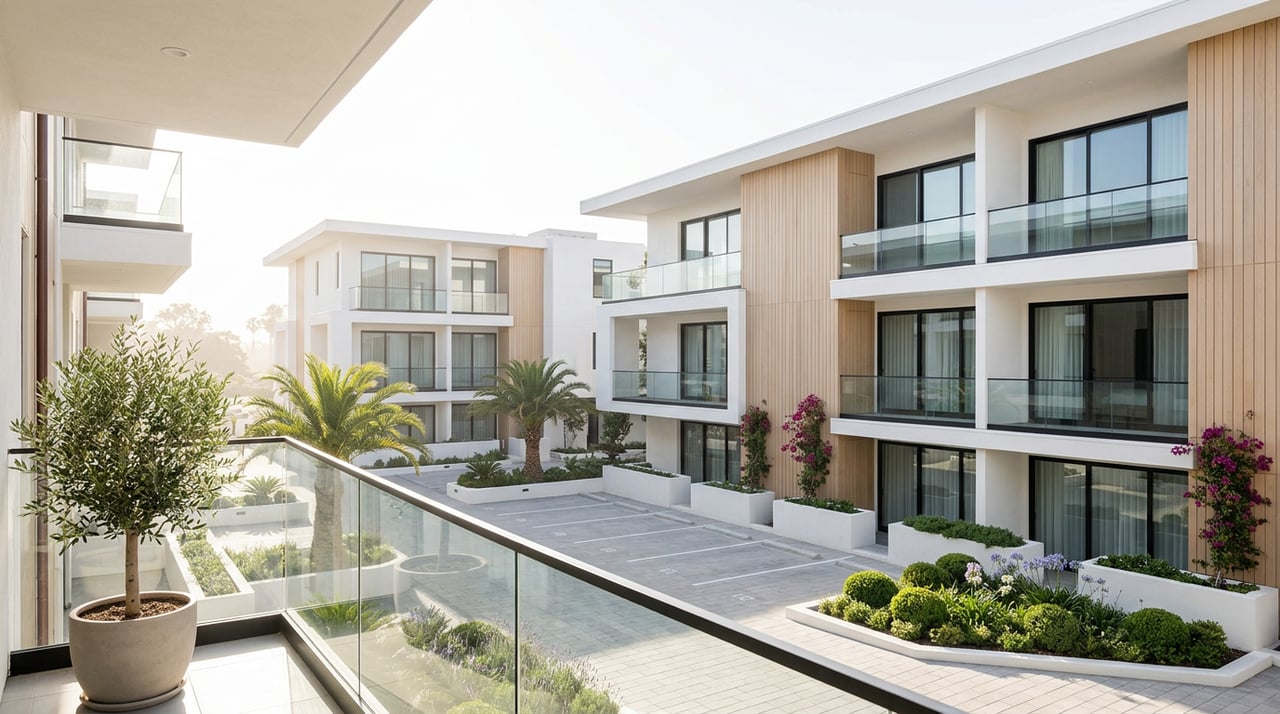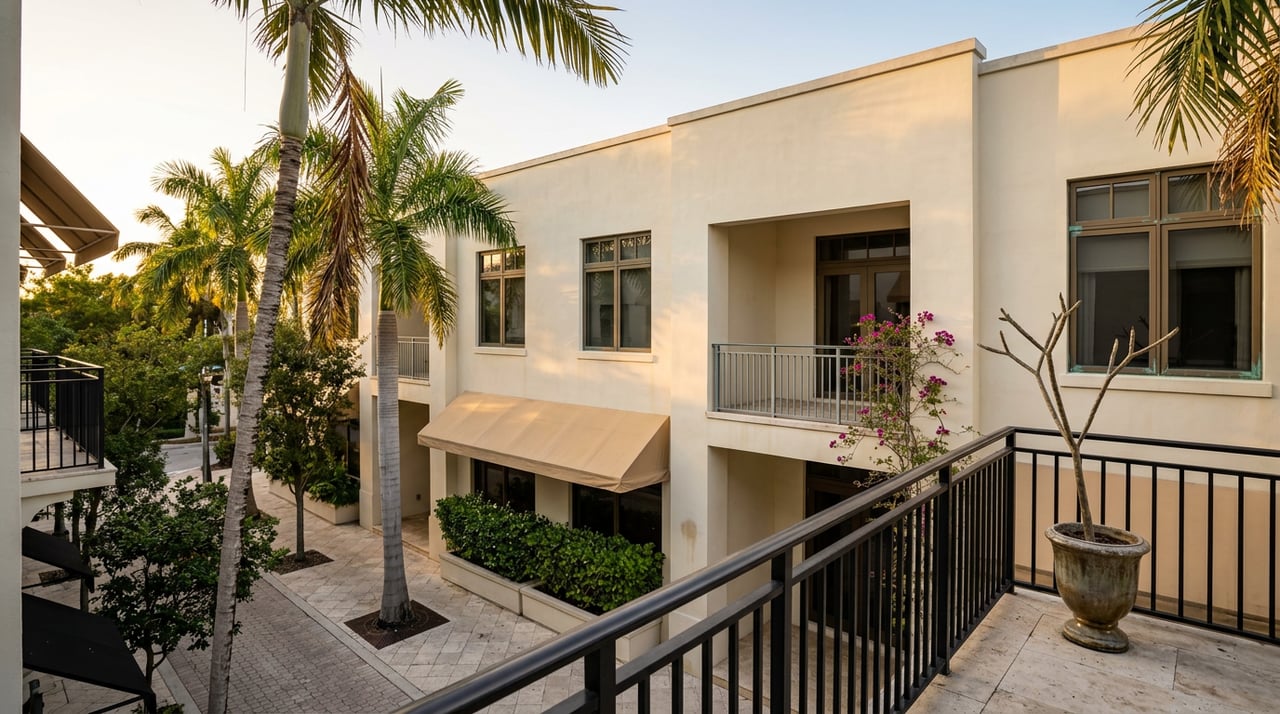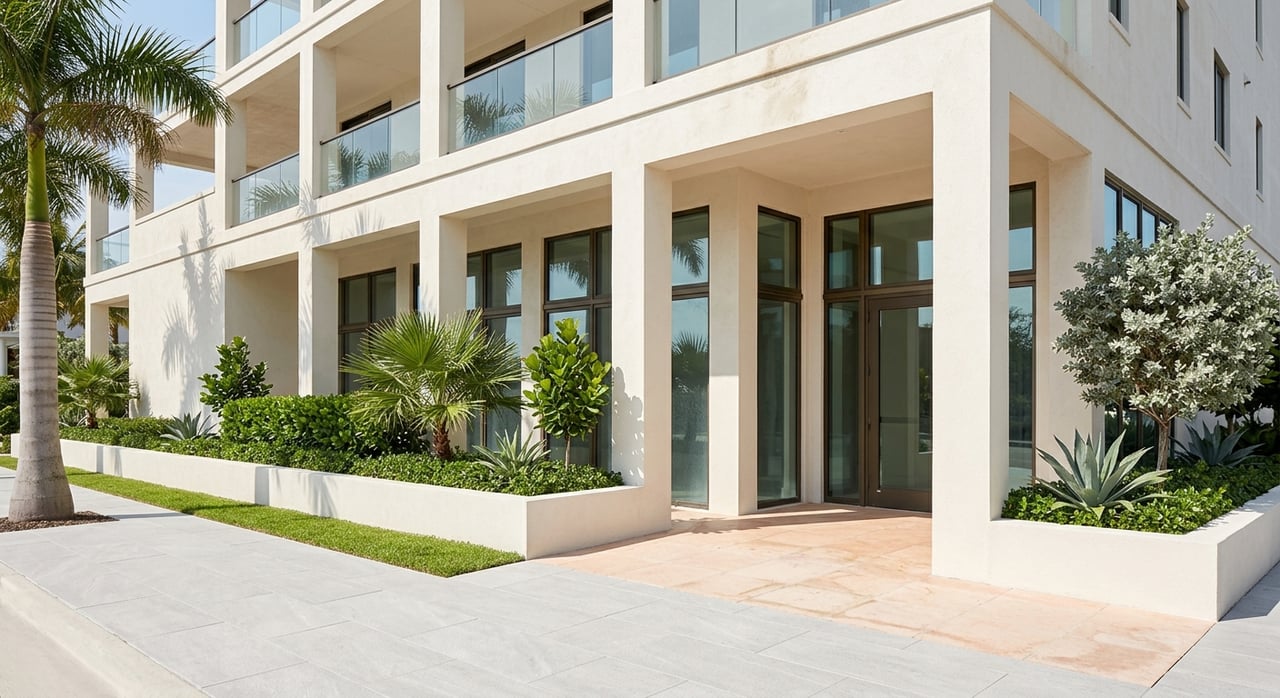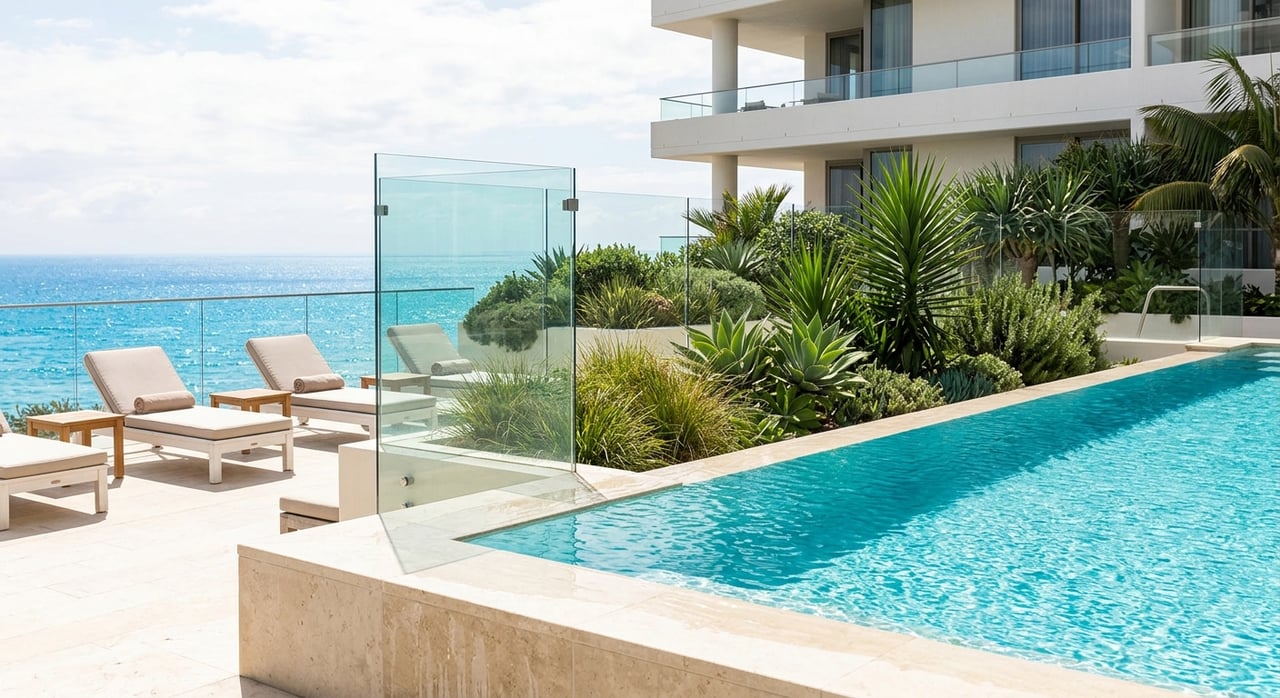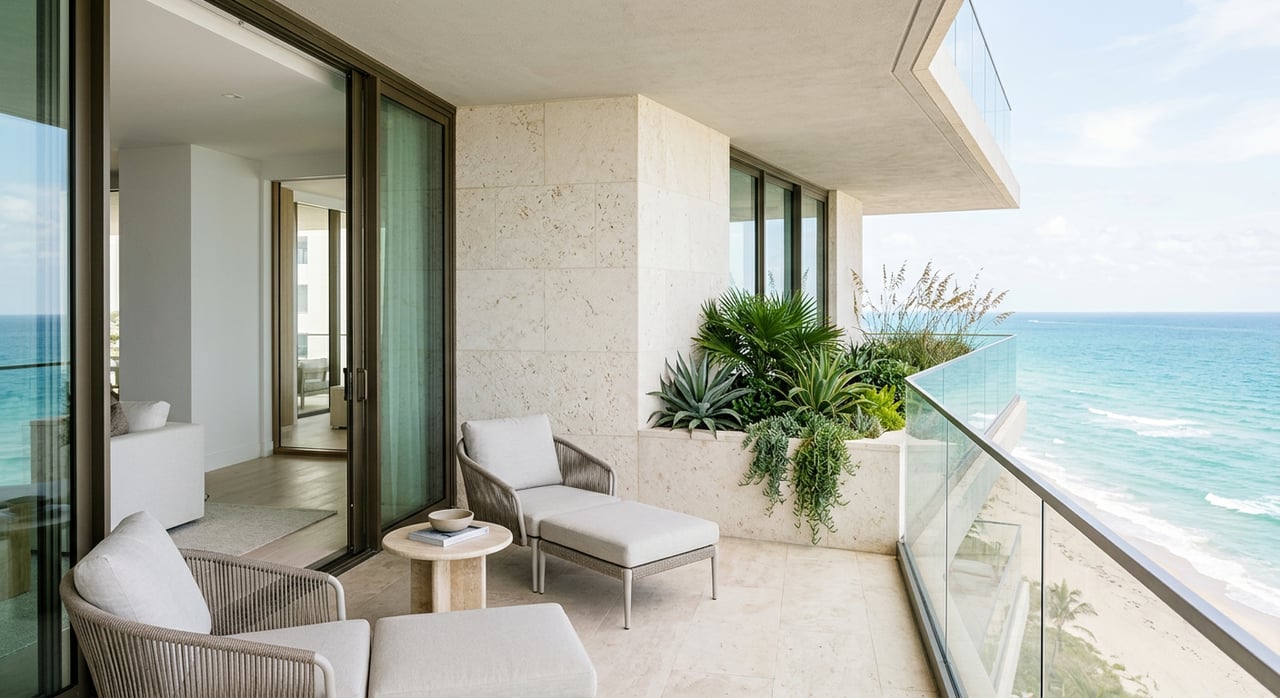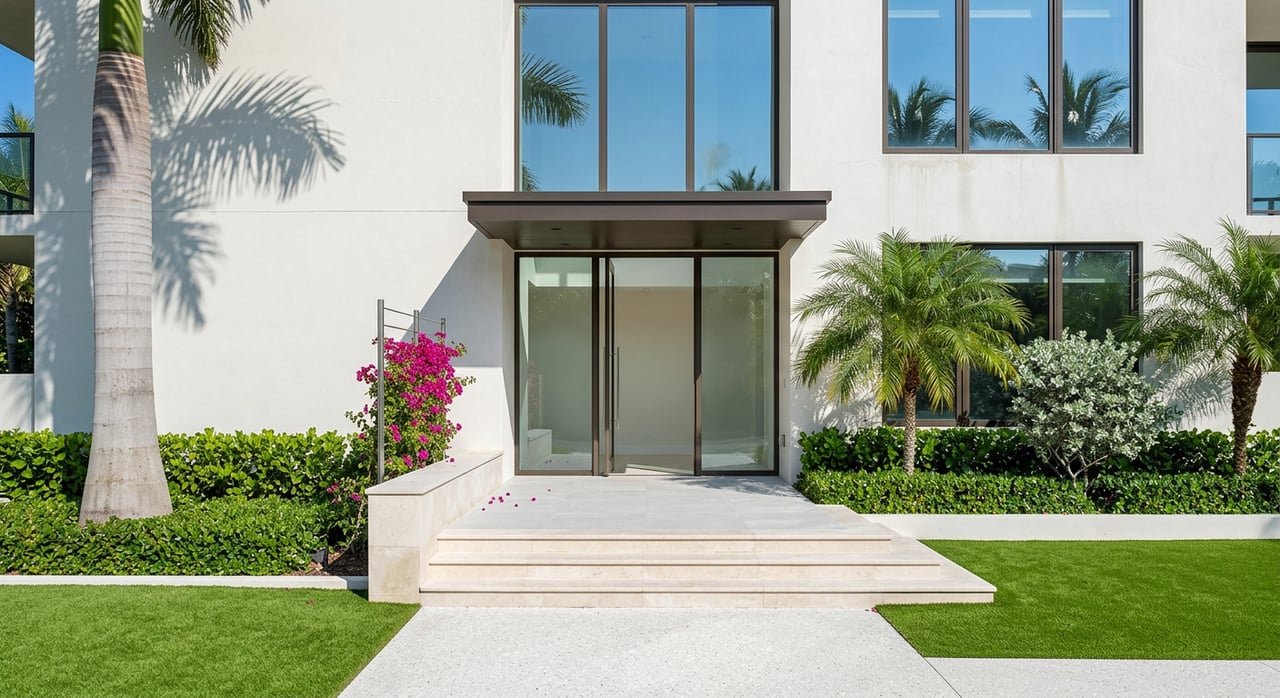
If you picture Palm Beach condo living as one simple choice, think again. An in-town condo can feel wonderfully easy, but the right fit depends on how you actually plan to live day to day. When you know what to compare, you can look past the pretty lobby and focus on walkability, building health, association discipline, and long-term comfort. Let’s dive in.
Start With Your Daily Routine
The best in-town Palm Beach condo is usually the one that matches your habits, not just your wish list. If you want to walk to shops, dining, and everyday stops, location near Royal Poinciana Way, Worth Avenue, and The Royal Poinciana Plaza may matter more than an extra room or a slightly lower monthly fee.
The Town of Palm Beach also points to the nearly six-mile Lake Trail as a major lifestyle feature. It runs from the Royal Park Bridge to the North End and is designed for walkers, joggers, and bikers. If morning walks or bike rides are part of your routine, being close to the trail can shape your daily experience in a meaningful way.
Palm Beach also has 12 miles of beachfront and two public beaches. Even if you plan to use your condo as a walk-to-town home base, beach access may still play an important role in how often you enjoy the island.
Ask How You Want To Move Around
Before you narrow your list, think about how you want your days to flow. A building that feels perfect for one buyer can feel inconvenient to another.
Ask yourself:
- Do you want to walk to restaurants and shops regularly?
- Will you use the Lake Trail several times a week?
- Do you want quick beach access?
- Do you prefer being near active corridors, or a bit removed from them?
- Will you cross the bridge often for errands, work, or airport trips?
Consider Bridge Timing Too
Convenience in Palm Beach is not only about map distance. The town notes that three bridges connect West Palm Beach to Palm Beach, and bridge openings are controlled by the U.S. Coast Guard, not the town.
That matters if you expect to move back and forth often. If airport access, business meetings, or regular off-island errands are part of your routine, timing and traffic flow should be part of your condo search from the start.
Look Beyond Monthly Fees
A lower monthly condo fee can look attractive at first glance. But in Palm Beach, especially in older buildings, the better question is what that fee actually supports.
Florida law now requires milestone inspections for residential condominium and cooperative buildings that are three habitable stories or more once they reach 30 years of age, and then every 10 years after that. The law also allows local enforcement agencies to require inspection at 25 years if local conditions, including proximity to salt water, justify it.
The Town of Palm Beach states that a condo or cooperative must complete a Phase 1 milestone inspection within 180 days after receiving certified written notice from the town building official. That inspection must be performed by a Florida-licensed engineer or architect.
Why Reserve Funding Matters
The structural integrity reserve study, often called a SIRS, is just as important as the milestone inspection. Florida law requires a SIRS at least every 10 years for buildings three habitable stories or higher.
The study must cover major items including:
- Roof
- Structure and load-bearing systems
- Fireproofing and fire protection systems
- Plumbing
- Electrical systems
- Waterproofing and exterior painting
- Windows and exterior doors
- Other deferred-maintenance items over $25,000 that affect those systems
For many buyers, this is where the real story of a building begins. A building with modest fees is not always the better value if reserves are thin or major work may lead to future special assessments.
Understand The Key Deadlines
For owner-controlled associations that existed on or before July 1, 2022, Florida law set the first SIRS deadline at December 31, 2025, and says the study cannot be completed after December 31, 2026. If a required milestone inspection is underway by then, the two can be completed together.
Florida law also allows reserve items to be funded through regular assessments, special assessments, lines of credit, or loans. Because of that, you should ask not only whether reserves exist, but how the association is actually funding them.
Read The Documents Early
One of the smartest ways to choose the right in-town Palm Beach condo is to treat document review as part of property selection, not just contract paperwork. The building itself may be lovely, but the association’s rules, finances, and governance style will shape your ownership experience.
Florida resale law gives prospective purchasers a current package of important documents. These include the declaration, articles, bylaws, rules, annual financial statement and budget, FAQ sheet, any required milestone inspection summary, the most recent SIRS or a statement that none has been completed, and any turnover inspection report if applicable.
For contracts entered after December 31, 2024, the contract must also disclose whether required inspection and report requirements are complete. The statute also gives buyers possible voidability rights if required materials are not provided in the manner the law requires.
Review More Than The Basics
The association’s official records must be available for inspection, and the Florida Department of Business and Professional Regulation says records should be made available within 10 working days after a proper written request.
That timing matters. If you are serious about a building, it makes sense to request and review records early enough to understand the budget, reserve history, board minutes, and any discussion of major repairs or special assessments before you finalize your decision.
Pay Attention To Governance Style
Florida’s statutory governance form can also be useful when you compare buildings. It summarizes the board’s role, notice rights, records access, maintenance responsibilities, assessment obligations, voting rights, and the board’s ability to hire a property manager.
In plain terms, this helps you understand how a building functions. Some associations feel more owner-friendly and transparent, while others may feel more tightly board-driven. Neither is automatically right or wrong, but the style should fit your expectations.
Check Flood Exposure Carefully
In-town Palm Beach buyers should never assume flood risk based only on a street address. The Town of Palm Beach provides flood insurance rate maps in six sections, including the in-town area from Royal Poinciana Way to Via La Selva.
The town also states that it is a FEMA National Flood Insurance Program Community Rating System Class 6 community. That gives NFIP policyholders a 20% flood-insurance discount. The town also reminds owners that homeowners insurance does not cover flood loss.
Compare Unit By Unit
For condo buyers, flood zone, unit elevation, and association flood coverage should be checked on a unit-by-unit basis. That is especially important for in-town buildings where assumptions can be misleading.
This is one area where details matter. Two units in the same general area may not present the same insurance picture or the same comfort level for a buyer.
Know What Changes May Require Approval
If you expect to update windows, terraces, or other exterior-related features, Palm Beach’s permitting environment deserves attention. The town notes that its Planning, Zoning, and Building Department manages permitting and staffs the Architectural and Landmark Preservation Commissions.
That means some changes may involve more review and more timing than buyers expect, especially if you are coming from a less regulated market. If renovation flexibility is important to you, ask those questions before you buy, not after closing.
Use A Simple Condo Comparison Checklist
When you compare in-town Palm Beach condos, it helps to keep your evaluation grounded in the same categories each time. That makes it easier to separate lifestyle fit from building risk.
Use this checklist:
- Does the location fit your routine, including walk-to-town access, Lake Trail use, beach access, and bridge crossings?
- Has the building completed its milestone inspection and SIRS, and when were those reports delivered to owners?
- Are reserves funded for major systems such as roof, structure, waterproofing, plumbing, and electrical?
- Is the association relying on regular assessments, special assessments, a line of credit, or a loan for major reserve items?
- What do the governing documents say about leasing, unit use, and everyday rules?
- How quickly does the association provide records?
- Do budgets, minutes, or disclosures show signs of deferred maintenance or large capital projects?
- Is the unit’s flood-zone and insurance profile aligned with your comfort level?
- If you want to renovate, what approvals or permitting steps may apply?
The Right Condo Is A Full Picture
The strongest Palm Beach condo choice is usually not the one with the flashiest first impression. It is the building where location, walkability, financial planning, governance, and risk profile all support the way you want to live.
That is especially true in-town, where convenience and long-term value are closely connected. Monthly fees, reserve funding, building age, and daily lifestyle should be read together, not separately.
With decades of island experience and deep building-level knowledge, Palm Beach Residential Properties helps buyers compare in-town condos with the clarity and personal guidance this market demands.
FAQs
What matters most when choosing an in-town Palm Beach condo?
- The most important factors are usually daily lifestyle fit, walkability, building inspections, reserve funding, association rules, and flood exposure.
What is a milestone inspection for a Palm Beach condo building?
- In Florida, residential condominium and cooperative buildings that are three habitable stories or more must complete milestone inspections at 30 years of age and every 10 years after that, with earlier timing possible in certain local conditions.
What should you review in a Palm Beach condo association package?
- You should review the declaration, articles, bylaws, rules, annual financial statement and budget, FAQ sheet, milestone inspection summary if required, the most recent SIRS or notice that none has been completed, and other applicable reports.
Why do condo reserves matter in Palm Beach?
- Reserve funding matters because it helps cover major building components like the roof, structure, waterproofing, plumbing, electrical systems, and windows, which can affect future assessments and overall value.
How does flood insurance affect an in-town Palm Beach condo purchase?
- Flood risk should be checked unit by unit because flood zone, elevation, and association coverage can vary, and standard homeowners insurance does not cover flood loss.
Why should Palm Beach condo buyers think about bridge access?
- Buyers who cross between Palm Beach and West Palm Beach often should consider bridge timing and traffic flow, since convenience depends on more than simple driving distance.