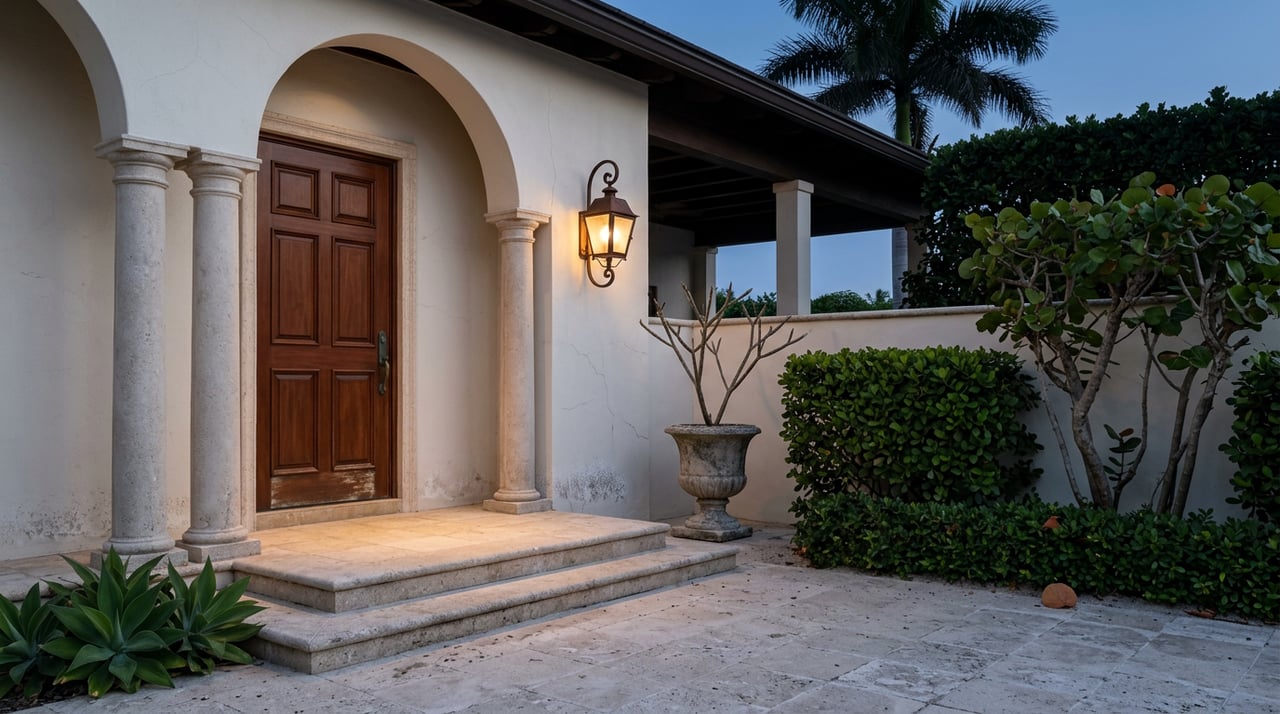
Netflix ordered a golf drama straight to series this summer and named it after this town. "Jupiter Island," from Emmy nominee Connor Hines, the creator behind FX's Love Story: John F. Kennedy Jr. & Carolyn Bessette, comes to the streamer with A24 producing and Bad Wolf's Julie Gardner as executive producer. Deadline reported the show is loosely inspired by real events and personalities from the world of professional golf, set on what the trade press keeps calling an "ultra-exclusive" island where a mysterious outsider fractures a carefully curated world.
Whatever plays out on screen, the actual island the show borrowed its name from is having a much quieter August. The federal wildlife refuge at its northern end is a few weeks from the busiest stretch of its year, and none of it has anything to do with golf.
A Show Named After a Town of 804 People
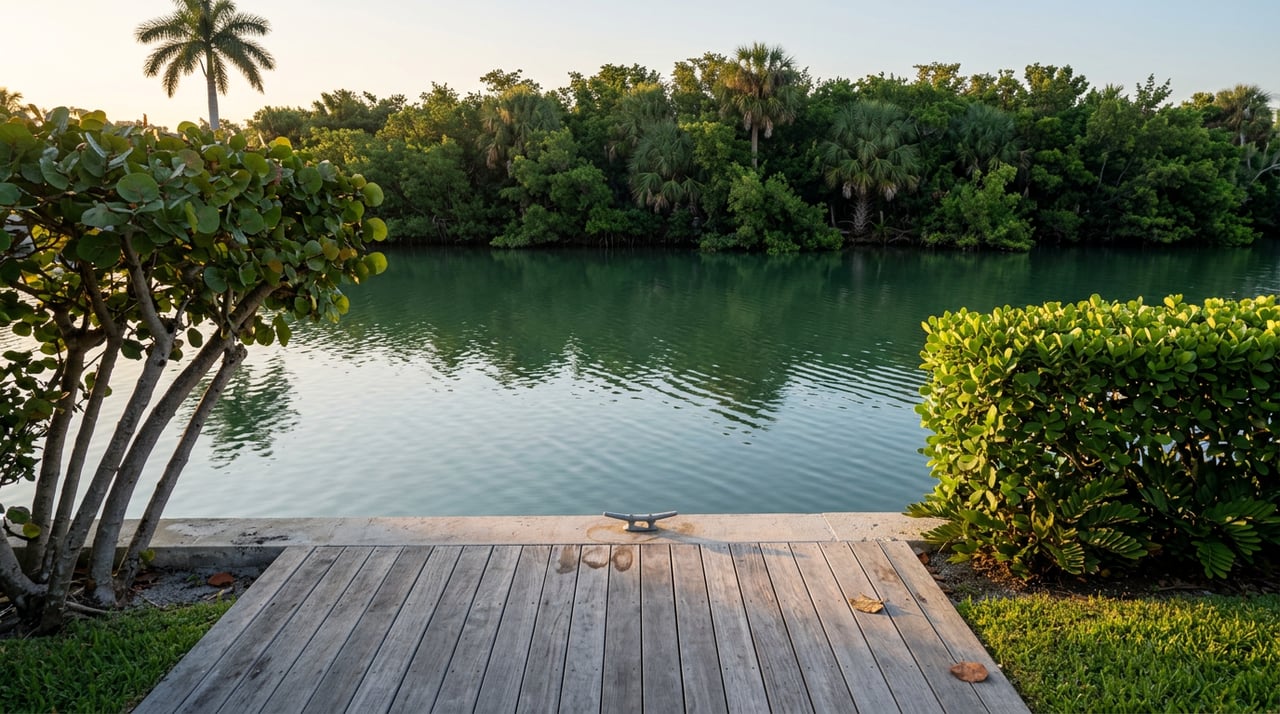
The real Jupiter Island had 804 residents as of the 2020 census. It sits on a barrier island bordered by Hobe Sound and South Jupiter Narrows to the west and the Atlantic to the east, running from the Palm Beach County line at its southern edge up to the boundary of the Nathaniel P. Reed Hobe Sound National Wildlife Refuge in the north. That refuge boundary matters more than any plot point on the new show, because it defines what's actually driving the calendar here right now.
The show trades on exclusivity as spectacle. The real town's defining feature this time of year is closer to restraint. For roughly eight months a year, a stretch of beach most residents can see from their own property becomes one of the most closely regulated nesting grounds on the Atlantic coast, and everyone who lives here adjusts around it without much discussion.
What's Actually Happening on the Beach
Florida's sea turtle nesting season runs from March 1 through October 31 in Martin County, the same window set by the state's model lighting ordinance for marine turtle protection. The Jupiter Island Unit of the Nathaniel P. Reed Hobe Sound National Wildlife Refuge covers 3.5 miles of undeveloped beach, by far the longest unbroken stretch in the region, and it's considered one of the most productive sea turtle nesting areas in the Southeastern United States according to the U.S. Fish and Wildlife Service. In a strong year, that stretch alone can hold as many as 3,000 nests.
August is the pivot point. Nesting itself peaks earlier in the summer, but incubation runs roughly two months, which means the hatchlings from those spring and early summer nests are working their way to the surface right now and through October. Hobe Sound Nature Center posts weekly nesting counts through the end of the season on October 31, so residents can track, almost in real time, how the numbers are moving from eggs to emergence.
That's the actual season this town is living through. No streaming service optioned it, but it's been running on this beach every year for longer than anyone currently pitching a TV show has been alive.
The One Rule Nobody Argues With
Jupiter Island has a reputation for privacy, and residents generally get to decide what happens on their own property. The exception is light.
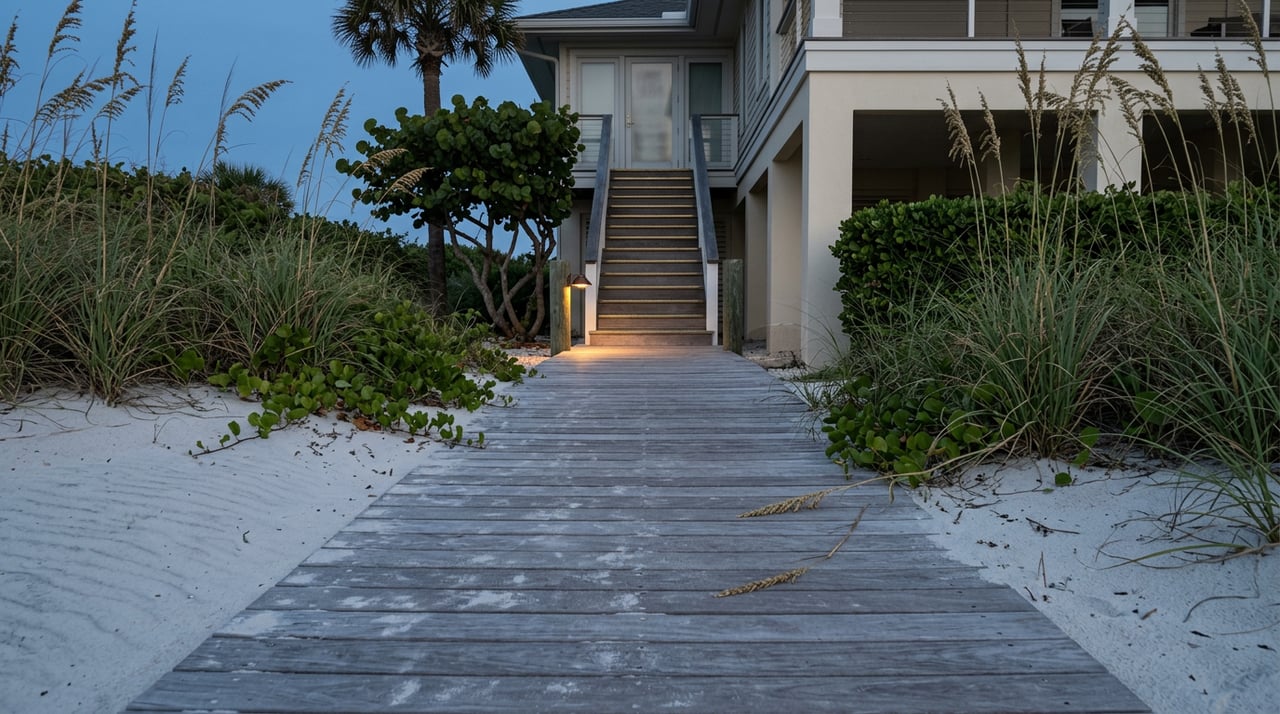
Martin County's guidance to beachfront homeowners is direct: turn off patio lights, or close blinds and curtains so indoor lighting doesn't shine onto the beach, because artificial light disorients nesting females and hatchlings trying to find the water. The Town of Jupiter Island appears on the Florida Fish and Wildlife Conservation Commission's map of municipalities that have adopted a formal sea turtle lighting ordinance, one of the towns along this stretch of coast that put the state's model rule into local code.
It's a strange thing to watch play out on an island known for its scale of privilege: some of the most valuable waterfront in the country voluntarily dimming itself every summer night for an animal that will never know it happened. There's no dramatic tension to it, no outsider arriving to upend anything. It's just a rule that gets followed, year after year, because the alternative is a beach full of disoriented hatchlings crawling the wrong direction.
Blowing Rocks, Named by the People Who Gave It Away
A few miles south of the refuge sits Blowing Rocks Preserve, and its origin story says more about this island's actual character than anything scripted for television. In 1969, residents of Jupiter Island donated 73 acres of intact beach, dune, and reef habitat so that a disappearing type of coastal ecosystem would survive past their own ownership of it. The land is now owned and stewarded by the Florida Chapter of The Nature Conservancy.
The preserve holds the largest outcropping of Anastasia limestone in Florida, and during winter storms at high tide, waves force plumes of saltwater up to 50 feet into the air through the rock. It's also, like the refuge to the north, an active sea turtle nesting site. Two different pieces of the same island, both given over to something that isn't the owners' convenience.
Two Evenings a Week, Through July
For residents who want to see any of this up close, Hobe Sound Nature Center runs guided sea turtle walks on Thursday and Friday evenings through June and July, excluding July 2 and 3. The program starts at 8 p.m. at the museum with a short talk on sea turtle biology and conservation, then moves to Hobe Sound Public Beach, where FWC-permitted guides look for a nesting loggerhead in the act of laying eggs. A $25 donation per person is requested for online reservations, and the walks go ahead rain or shine, canceled only for nearby lightning.
That window has closed for this year, but the nesting counts the center publishes through October give year-round residents a way to keep watching the season even after the guided walks end. It's a small, unglamorous piece of civic life here: a nature center with a phone number and a weekly count, doing the same work it's done for years, while a streaming service pitches a fictional version of exclusivity a few miles up the same beach.
The Real Plot
None of this is a rebuttal to the show. Golf dramas need conflict, and "loosely inspired by real events" is a fair description of most prestige television about wealthy enclaves. But the actual rhythm of Jupiter Island in August has very little to do with fractured social hierarchies and a great deal to do with a lighting ordinance nobody fights, a preserve that residents gave away on purpose, and a refuge tracking hatchling counts one week at a time. If there's a twist worth knowing before the show airs, it's that the real drama here has always been about restraint, not exposure.
If you're watching this stretch of the Treasure Coast for reasons that go beyond the Netflix trailer, our team at Palm Beach Residential has spent decades getting to know the barrier communities north and south of Palm Beach, Jupiter Island included. Call anytime you'd like a local read on what's actually happening here, on screen or off it.
This article is general information, not legal, tax or financial advice. Consult a qualified professional about your situation.