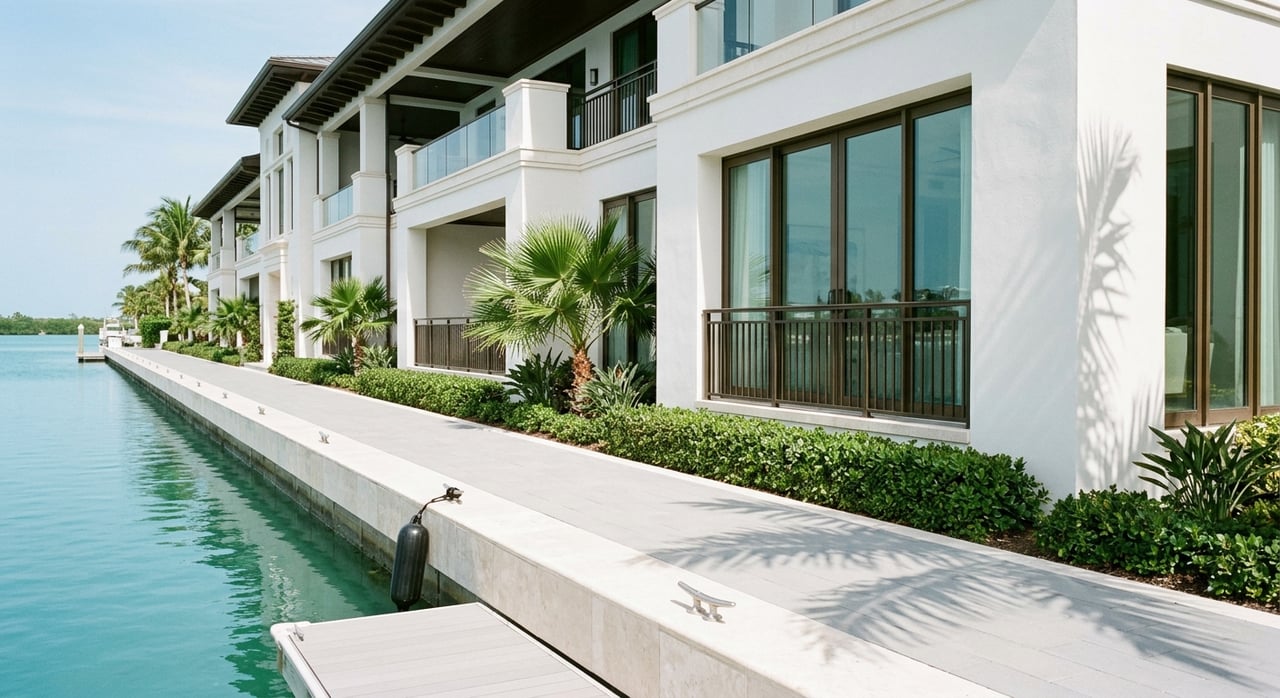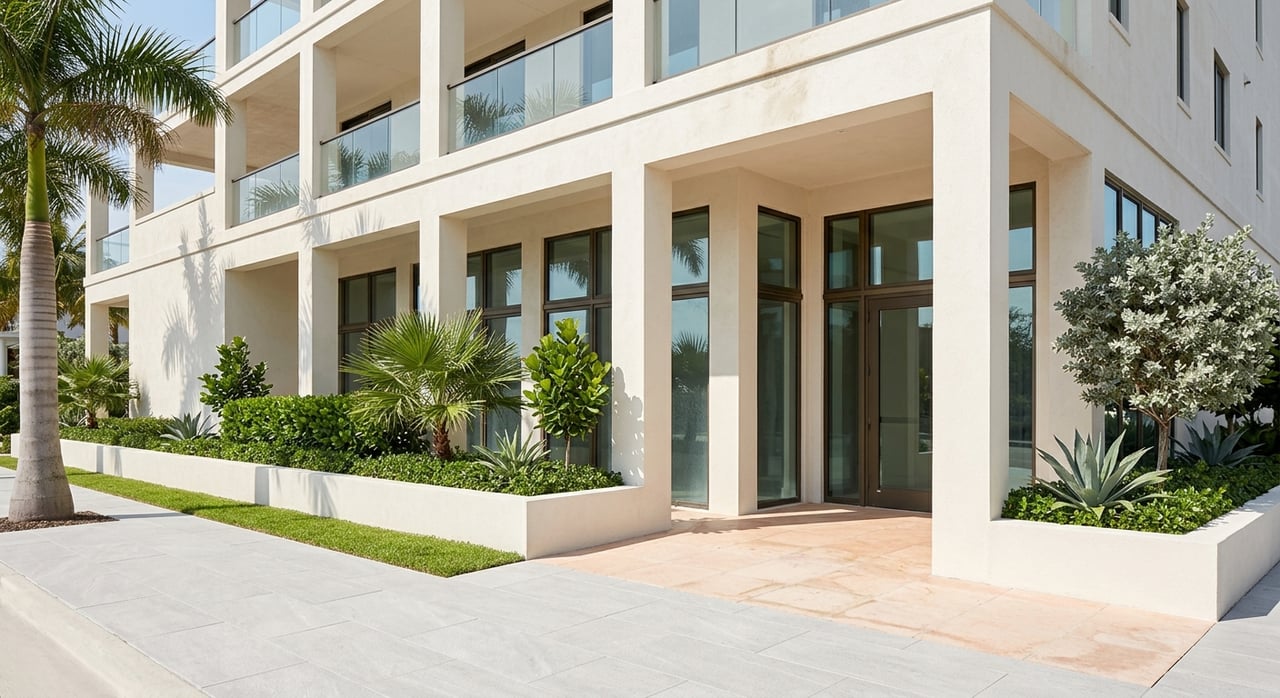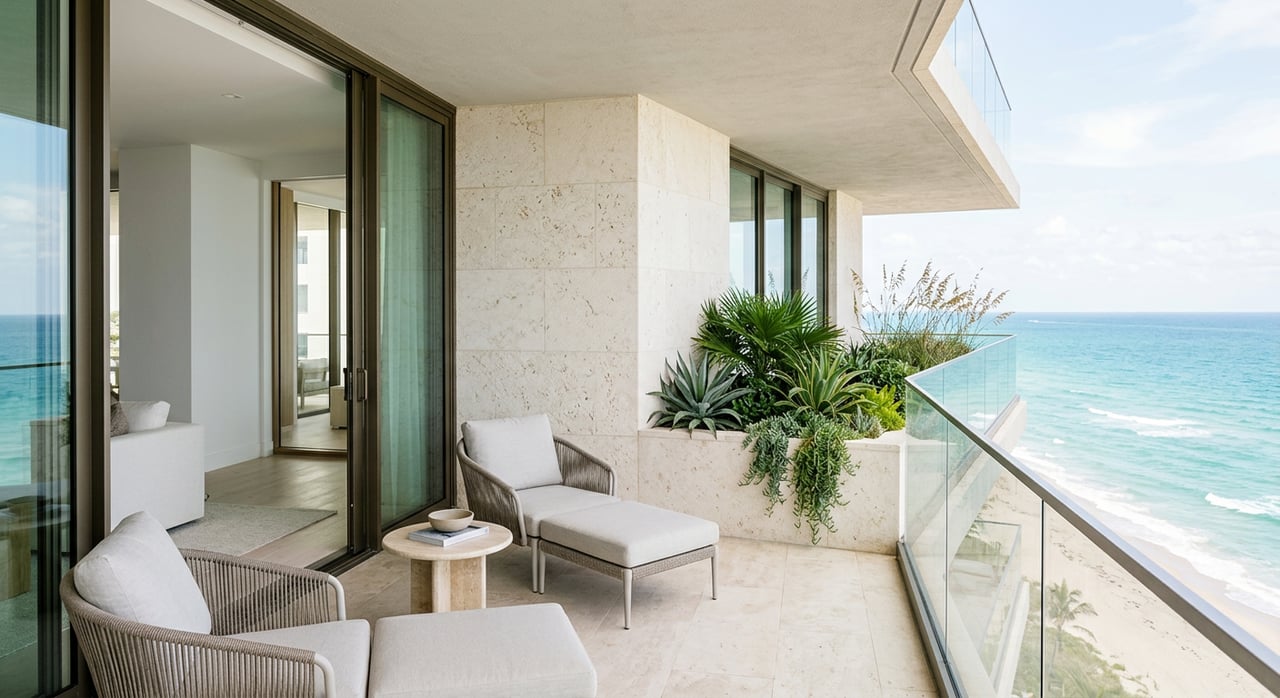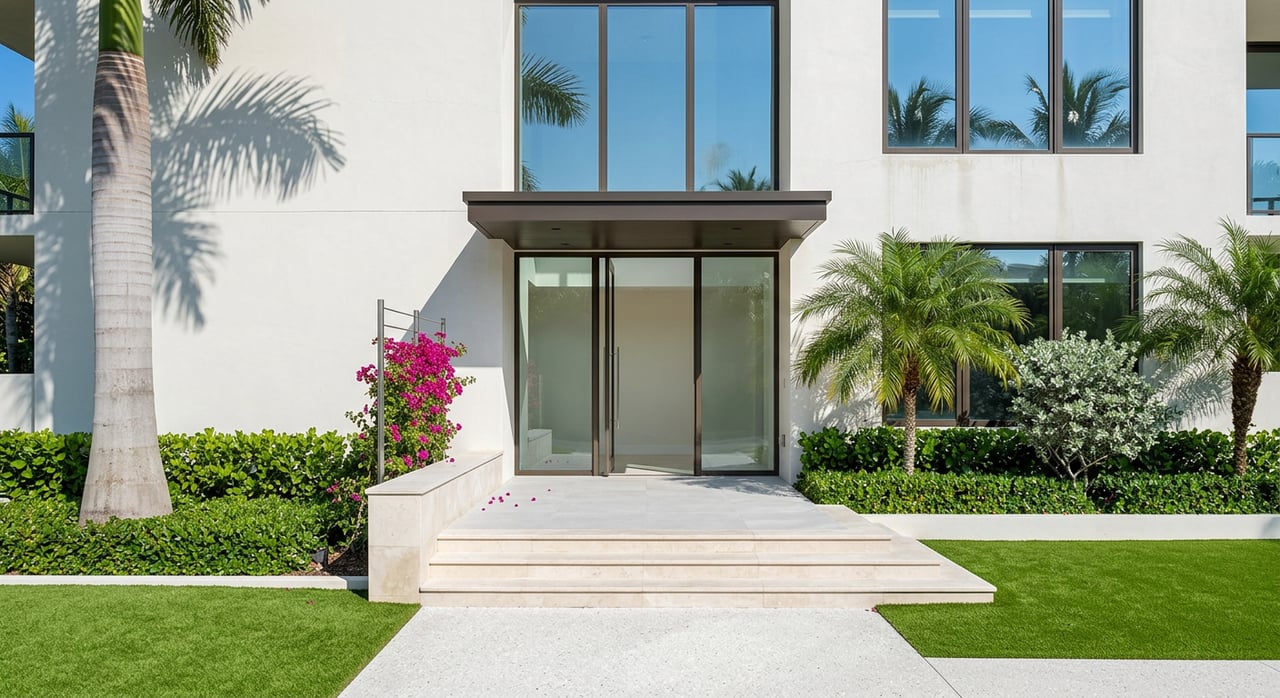
A Jupiter condo goes under contract this fall, and the buyer is financing. Before the lender looks closely at the unit, it asks the association for its paperwork: the budget, board meeting minutes, financial statements and engineer reports. Fannie Mae's own guidance names those documents. It also says that if the lender can't get enough information to confirm the building is free of critical repairs, loans on units in that project are not eligible for sale to Fannie Mae.
Lenders have long asked for that paperwork. What's new is that established Florida condo buildings no longer have a lighter review to fall back on. In a market where condos take more than three times as long to sell as houses, that review is now one of the main factors in whether a listing closes.
The Shortcut Closed on August 3
On March 18, 2026, Fannie Mae issued Lender Letter LL-2026-03. It retired the Limited Review process, which had been the abbreviated path for established condo projects. Those projects now go through Full Review or, if they qualify, a Waiver of Project Review. Lenders could switch right away and had to for every loan application dated on or after August 3, 2026. Freddie Mac's Bulletin 2026-C, issued the same day, ended its Streamlined Review on the same date. That means neither agency still offers a quick review for these buildings.
The same letter tightened how reserves are judged. When an association uses a reserve study to show it has enough set aside, the lender must confirm the budget funds the study's highest recommended reserve amount. The baseline funding method no longer qualifies. Under that method, the reserve balance is only kept above zero. Fannie's project standards FAQ gives an example. If a study shows both threshold and full funding, the budget has to match the full funding figure.
None of this has been delayed. Fannie's Selling Guide update SEL-2026-07, released August 5, 2026, added most of the letter to the Guide. Freddie's Bulletin 2026-6 in May did the same and left the reserve dates as they were.
Why "Reasonably Safe" Doesn't Settle It
Many Jupiter condo owners have spent the last two years getting through Florida's milestone inspections. It's natural to assume that a building that passed is clear for financing. Fannie Mae's FAQ says otherwise. A building a jurisdiction rates as safe is still ineligible if critical repairs remain unfinished, and it stays ineligible until those repairs are done. A failed local inspection, including a municipal one, also makes the project ineligible. Fannie adds that a facade inspection is not a substitute for a full building condition report.
Jupiter has already seen how slowly repair work can move. In February 2025, the Sun Sentinel reported that the inspector for The Anchorage at Jonathan's Landing had asked for more time on structural concrete repairs to exterior walkways and balconies, and that the report was later completed. That article is more than eighteen months old and says nothing about the building today. It does show how long the gap between finding a problem and fixing it can last.
Jupiter Bay is a larger example. According to a site run by a group of Jupiter Bay owners, the 2024 Phase 1 milestone reports found all nine buildings of three or more stories reasonably safe for continued occupancy, with concrete repairs required in isolated areas. The same owner group reports that on April 3, 2025, the board approved a $6.86 million concrete restoration contract with Custom Group. The contract is phased by building from 2025 through 2027, and the announced special assessments for the West A, B and C buildings were $23,630, $22,026 and $19,823. These are figures the owners themselves report. The Jupiter Bay Viewpoint site also says owners and the association disagree about how much of the work is necessary.
This post takes no position on that disagreement. The financing issue applies wherever repairs are phased. While work is underway, a lender reviewing a unit will ask whether the work the building needs is finished. The answer can depend on the month the loan application is dated.
Six Months of Supply Turns This Into a Seller's Problem
If buyers were competing for scarce units, they might wait out a slow lender review. Jupiter's condo market isn't that tight right now. Here is how August 2026 looked in Beaches MLS figures published by the local outlet JupiterBrief:
| August 2026, Jupiter | Condos and townhomes | Single-family homes |
|---|---|---|
| Closed sales | 36 | 72 |
| Median sale price | $440,000 | $1,045,000 |
| Median time to sell | 72 days | 20 days |
| Available listings | 223 | about 206 |
| Months of supply | about 6.2 | about 2.9 |
At 6.2 months of supply, a buyer considering one building has plenty of others to choose from. Across Palm Beach County, 57.3% of condo and townhouse sales in August 2026 were all-cash, according to the MIAMI Realtors August 2026 report. That figure covers the whole county, not Jupiter alone. The other roughly 43% used some form of financing, and that group is affected by the association's paperwork.
For a seller, the effect is this. If the building's documents are complete and the reserves meet the standard, financed buyers stay in the running. If the documents are slow or the reserves fall short, the seller is mostly limited to cash buyers. A median of 72 days to sell suggests those buyers are in no hurry.
January 4 Lands in Peak Season
Three dates matter for anyone listing a Jupiter condo between now and spring:
- August 3, 2026. Limited Review ends, baseline-funded reserve studies stop counting, and lenders must check that the budget funds a reserve study's highest recommendation.
- December 31, 2026. According to Florida's Division of Condominiums, an association with a milestone inspection due by this date may combine its structural integrity reserve study with that inspection, and the combined study is due by the same date.
- January 4, 2027. The minimum replacement reserve contribution under Full Review rises from 10% to 15% of the association's annual budgeted assessment income, for loan applications dated on or after that day. Freddie Mac's date and percentage match.
The third date is the one sellers tend to miss. Fannie measures the reserve share by dividing the budgeted reserve allocation by the association's budgeted assessment income. Picture a building whose 2027 budget sets aside 12%. A buyer whose application is dated in December meets the standard minimum reserve test. A buyer whose application is dated in February does not, even though the budget hasn't changed. After January 4, the building would need another way to qualify, such as a reserve study whose highest recommendation the budget fully funds.
A seller planning a February listing can ask the association now what share of the 2027 budget goes into reserves.
What to Gather Before the Listing Goes Live
Fannie's FAQ says documents for the lender can come from anyone with an interest in the sale, including the seller and the agent. The standard condo questionnaire is optional. If an association answers "unknown" to questions about critical repairs, the lender has to get more documentation. If it still can't confirm the building doesn't need critical repairs, loans on units there are not eligible for sale to Fannie Mae. A seller who requests the following early can save several weeks of the 72-day median:
- The adopted budget for the current year and next year, with the reserve line and total assessment income clearly visible.
- The most recent milestone inspection reports and, where completed, the structural integrity reserve study.
- Board minutes from the past year that discuss repairs, contracts or assessments.
- A written status of any repair project: what is finished, what remains and the schedule.
- The amount and due dates of any special assessment already approved.
This is preparation for a sale, not legal or lending advice. Each lender decides what it needs, and the association's manager or attorney should confirm the details for a specific building.
Questions Sellers Ask About the New Review
Does any of this matter if my buyer pays cash? These are rules about whether a loan can be sold to Fannie Mae or Freddie Mac. A cash purchase never goes through that review. Cash buyers will still read the same budget and repair records, though, and may price what they find into their offer.
What about a small building? LL-2026-03 opened the Waiver of Project Review to projects with ten or fewer units. A project with five to ten units must not be part of a master association or larger development, and other conditions still apply.
My unit is a detached villa inside a condo project. Is it reviewed the same way? Fannie's FAQ says lenders don't have to check for critical repairs and special assessments on loans for detached units. The property still has to be safe and sound, and the loan is ineligible if the project shows as "Unavailable" in Fannie's Condo Project Manager.
Can a buyer who applied before August 3 still use the old rules? Fannie says loans with applications dated before August 3, 2026 that qualified under Limited Review keep the Florida loan-to-value limits that applied at the time. Applications dated on or after that date can't use Limited Review.
If you're thinking about selling a Jupiter condo this season, Cappy can review your association's budget, reserve figures and repair records with you before the listing goes live, so a financed buyer's lender has what it needs when it asks. Call Palm Beach Residential Properties to start with a conversation about your building. List With Cappy.